Science & Nature: Understanding Earthquakes, Tectonic Plates, and the Ring of Fire
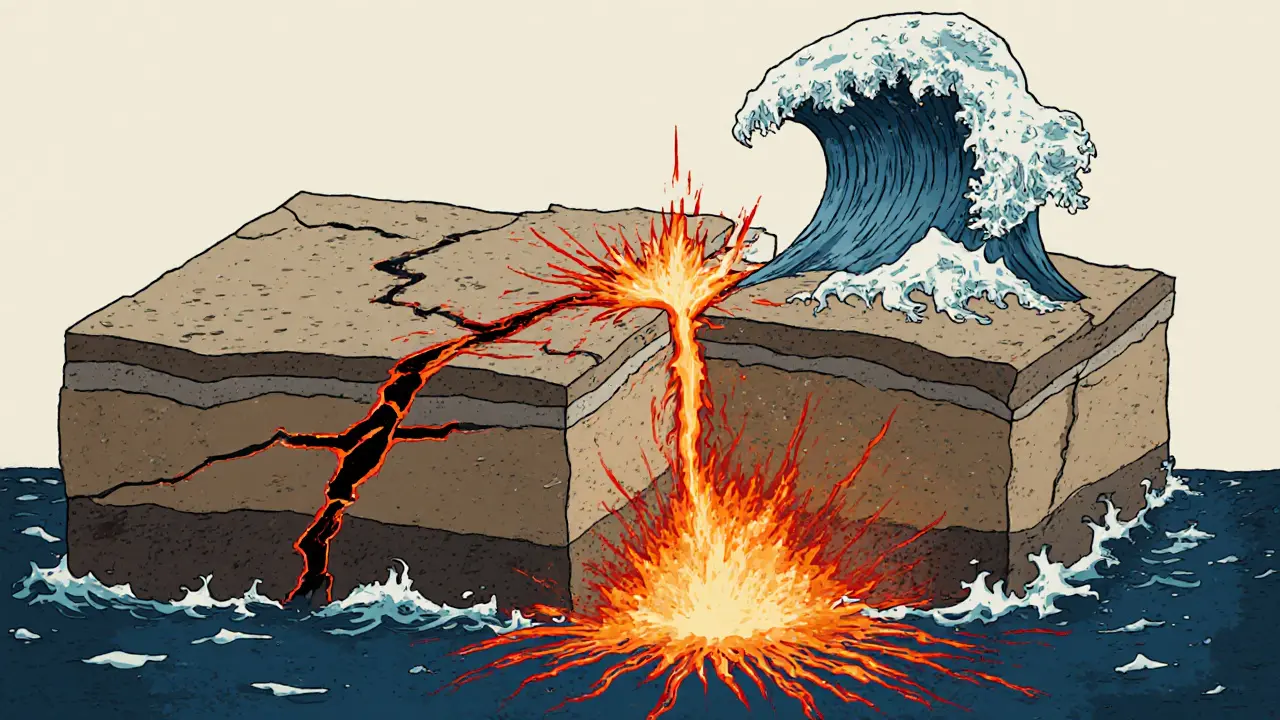
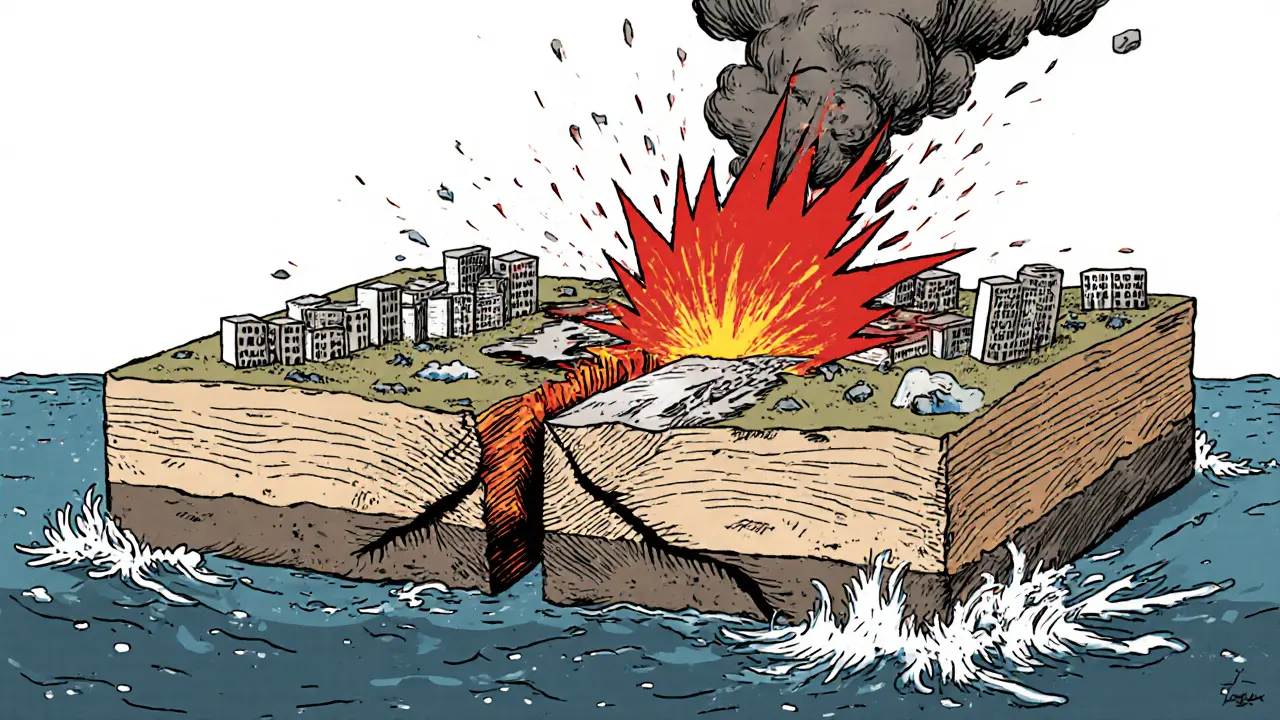
When the Earth’s crust suddenly shifts, it’s not just a rumble—it’s a tectonic earthquake, a massive release of energy caused by the movement of giant rock plates grinding against each other. Also known as megathrust earthquake, this type of quake is the most powerful on the planet, with magnitudes that can exceed 9.0 and trigger tsunamis across oceans. Unlike small tremors from mining or explosions, tectonic earthquakes are born deep underground where plates collide, slide, or sink into the mantle. They don’t happen randomly—they follow the edges of the planet’s tectonic plates, especially along the Ring of Fire, a horseshoe-shaped zone around the Pacific Ocean where most of Earth’s volcanoes and earthquakes occur.
The Ring of Fire, a 40,000-kilometer chain of subduction zones where oceanic plates dive beneath continental ones is where the worst earthquakes happen. Places like Japan, Chile, Alaska, and Indonesia sit right on these dangerous boundaries. When one plate gets stuck and then suddenly slips, it releases energy that shakes the ground for hundreds of kilometers. That’s why the deadliest quakes in history—like the 2004 Sumatra quake and the 2011 Tōhoku event—both happened here. These aren’t just natural events; they’re predictable patterns. Scientists track them using seismic hazard, a measure of the likelihood and potential impact of future earthquakes in a given area, helping communities build stronger infrastructure and plan evacuations.
What you’ll find in this collection isn’t just theory. These posts break down how these quakes form, why they trigger tsunamis, and what makes some so much more destructive than others. You’ll see how the same forces that build mountains also tear cities apart. No fluff. No jargon. Just real science explaining what’s happening under your feet—and how we’re learning to live with it.