Remember the wild west of crypto in late 2021? Everyone was hunting for the next big thing, and BitOrbit (BITORB) threw its hat into the ring with an Initial DEX Offering (IDO) and airdrop campaign on BSCPad. If you were scrolling through Telegram groups or Twitter threads back then, you might have seen the buzz. But what actually happened? Did it moon? Did it dump? And more importantly, what can we learn from this specific project today, in November 2026?
This isn't just a history lesson. It's a case study in how fundraising success doesn't always equal market survival. Let's break down the BitOrbit IDO launch, the details of its airdrop, and why its trajectory matters for anyone still interested in early-stage crypto projects.
The Quick Summary: Key Takeaways
- Launch Date: BitOrbit held its Token Generation Event (TGE) on November 4, 2021.
- Funding Raised: The project raised $290,000 across six rounds, including private sales and community airdrops.
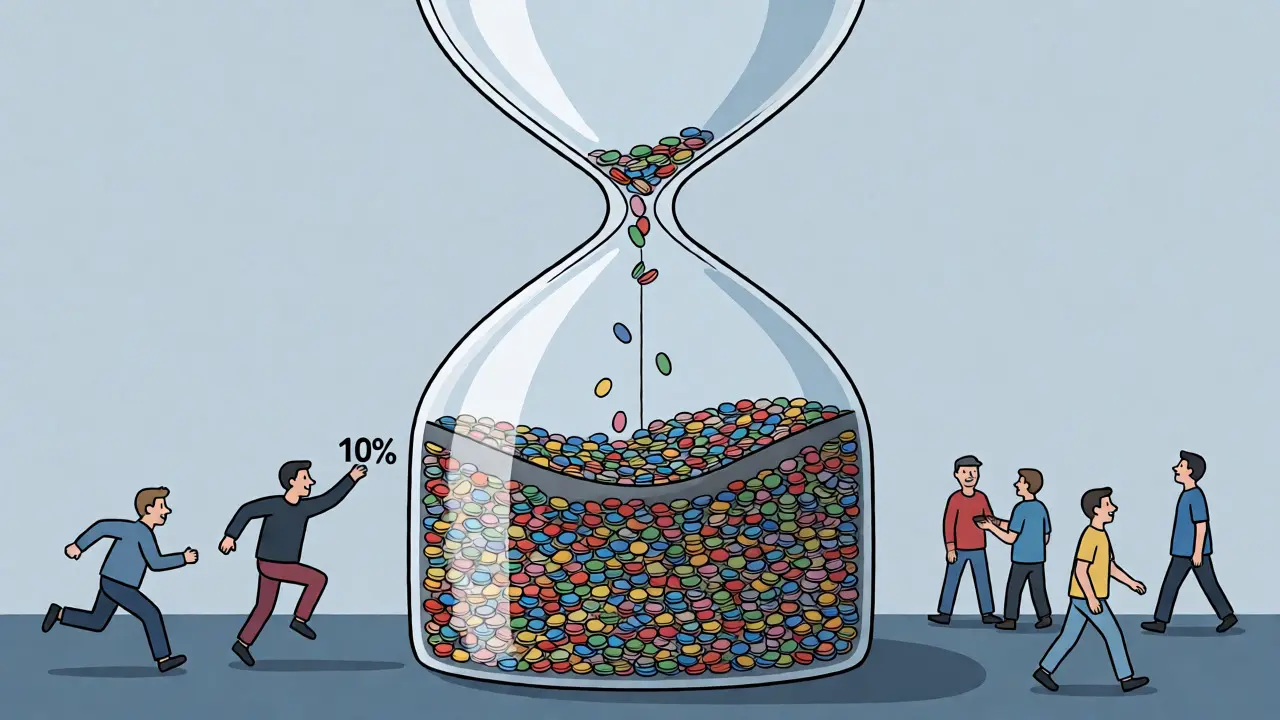
- Vesting Schedule: Only 10% of tokens unlocked at launch; the remaining 90% vested linearly over four months after a one-month cliff.
- Platform: The IDO launched via BSCPad, a prominent launchpad on the Binance Smart Chain ecosystem.
- Outcome: Despite successful fundraising, the token suffered significant depreciation, highlighting the gap between hype and sustained value.
What Was BitOrbit Trying to Do?
At its core, BitOrbit positioned itself as a utility-focused project within the decentralized finance (DeFi) space. In 2021, every other project claimed to solve blockchain scalability or interoperability. BitOrbit’s pitch relied heavily on community engagement and strategic partnerships. They wanted users to feel like they were part of the journey from day one.
The strategy was classic for that era: build hype through social media, distribute free tokens via an airdrop to create holders, and then sell the rest to investors who believed in the roadmap. It sounds simple, right? But executing it requires precise timing and robust technical infrastructure. BitOrbit chose to launch on the Binance Smart Chain (BSC), leveraging its low transaction fees and high throughput compared to Ethereum.
The Airdrop Mechanics: How Users Got Involved
If you were trying to get your hands on free BITORB tokens, here is how the process worked. The airdrop wasn't just "send us your wallet address." It was tied to active participation.
- Registration: Users had to sign up on the official BitOrbit website or connect their wallets via supported dApps.
- Social Tasks: Following BitOrbit on Twitter, joining their Telegram group, and retweeting announcements were mandatory steps to qualify.
- Whitelist Verification: Unlike some chaotic airdrops, BitOrbit used a whitelist system. This meant not everyone who signed up got tokens immediately; there was a vetting process to prevent bots.
- Claiming: After the TGE, eligible users could claim their tokens directly from the smart contract deployed by BSCPad.
Why does this matter? Because the quality of an airdrop recipient often determines long-term holding behavior. By requiring KYC (Know Your Customer) verification for larger allocations, BitOrbit tried to filter out pure speculators. However, many small recipients still sold instantly upon listing, creating immediate selling pressure.
The IDO Structure and Vesting Details
Let's look at the numbers. This is where things get interesting-and slightly painful for early buyers.
| Phase | Percentage Released | Timeline | Purpose |
|---|---|---|---|
| TGE Unlock | 10% | November 4, 2021 | Liquidity provision and initial trading |
| Cliff Period | 0% | Month 1 | Prevent immediate dumping by team/investors |
| Linear Vesting | 90% | Months 2-5 | Gradual release aligned with development milestones |
The decision to unlock only 10% at launch was designed to stabilize the price. Ideally, this prevents the "pump and dump" scenario where insiders sell everything in the first hour. But here is the catch: if the project fails to deliver on its promises during those vesting months, the gradual release becomes a slow bleed rather than a steady growth curve.
The Role of BSCPad in the Launch
You cannot talk about BitOrbit without mentioning BSCPad. At the time, BSCPad was one of the top-tier launchpads on the Binance Smart Chain. For retail investors, getting access to an IDO on BSCPad usually required staking their native PAD tokens. This created a layer of exclusivity.
BSCPad provided the technical backbone for the sale. They handled the smart contracts, the KYC integration, and the distribution logic. For BitOrbit, using a reputable platform like BSCPad added credibility. Investors felt safer knowing the code had been audited and the platform had a track record. However, even top-tier platforms couldn't save every project. BSCPad hosted hundreds of launches in 2021, and while some achieved massive ROI (like PancakeSwap derivatives), others, like BitOrbit, struggled to maintain momentum.
Post-Launch Performance: Why Did Value Drop?
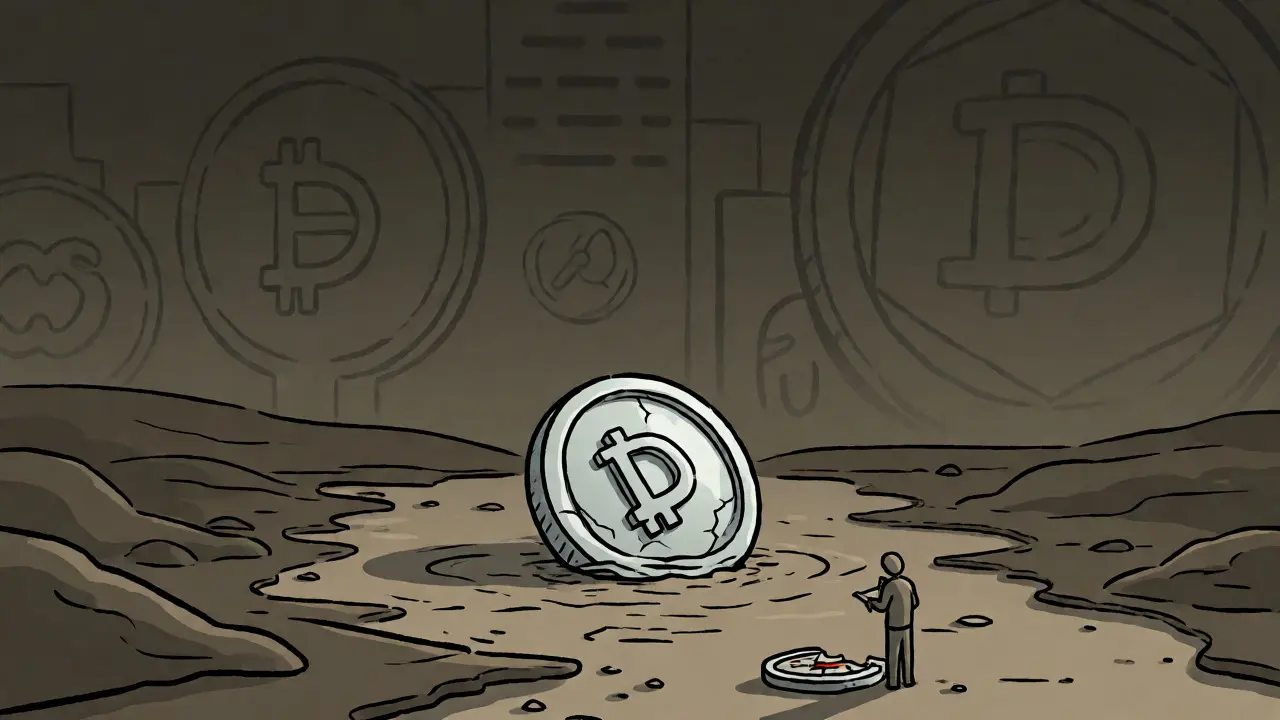
Fast forward to today. The market capitalization data for BitOrbit shows a stark contrast to its fundraising total. While it raised $290,000, its market cap hovered around $2.83K in later periods. That is a drop of nearly 99%. What went wrong?
First, let's look at the broader context. Late 2021 was the peak of the bull run. Sentiment was euphoric. People bought anything with a token. When the market cooled in 2022 and beyond, weak projects were exposed. BitOrbit likely lacked a strong product-market fit. Without real utility driving demand, the token became purely speculative. Once the hype faded, liquidity dried up.
Second, competition was fierce. The DeFi sector was saturated. Newer projects with better tech stacks and stronger communities emerged constantly. BitOrbit failed to differentiate itself enough to retain user interest. The vesting schedule, intended to help, may have inadvertently suppressed price appreciation because large amounts of tokens kept entering circulation without corresponding buy-side demand.
Lessons for Today’s Crypto Investor
So, why should you care about a failed 2021 project in 2026? Because the patterns repeat. Here is what BitOrbit teaches us:
- Fundraising ≠ Success: Raising money is easy when markets are hot. Keeping value is hard.
- Vesting Matters, But Product Matters More: Good tokenomics can't fix a bad product. If people don't use the protocol, they won't hold the token.
- Platform Reputation Isn't Enough: Launching on BSCPad gave BitOrbit visibility, but it didn't guarantee longevity. Always do your own research (DYOR) on the team and roadmap, not just the launchpad.
- Airdrop Recipients Are Fickle: Free tokens often go straight to the exchange. Don't count on airdropped users becoming long-term advocates unless the project offers ongoing incentives.
In the current landscape of 2026, launchpads have evolved. Platforms now enforce stricter vetting, offer hedging tools like perpetual futures immediately upon listing, and provide deeper analytics. The bar for entry is higher, which protects investors but also makes it harder for new projects to gain traction quickly.
Frequently Asked Questions
When did the BitOrbit IDO launch?
The BitOrbit Token Generation Event (TGE) took place on November 4, 2021, at 21:25 UTC+3. This marked the official start of trading for the BITORB token.
How much did BitOrbit raise during its IDO?
BitOrbit successfully raised a total of $290,000 across six different fundraising rounds. These rounds included private sales, public sales, and community distribution phases.
What was the vesting schedule for BITORB tokens?
The vesting model was conservative. Only 10% of the total supply was released at the TGE. The remaining 90% was subject to a one-month cliff, followed by linear vesting over the subsequent four months.
Which platform hosted the BitOrbit IDO?
The IDO was facilitated through BSCPad, a well-known Initial DEX Offering launchpad operating on the Binance Smart Chain (BSC) ecosystem.
Did the BitOrbit airdrop require KYC?
Yes, for significant allocations and IDO participation, KYC verification was typically required. This helped filter out bots and ensured that participants were genuine users interested in the project.
Why did BitOrbit's price decline after launch?
Several factors contributed, including broader market downturns post-2021, lack of sustained product utility, high selling pressure from airdrop recipients, and intense competition in the DeFi sector.



Sue Howard
Wow, $290k raised. Must be nice to have that kind of money to burn on a project that did absolutely nothing for five years straight. 🙄
Munesh kumar
The audacity!
One must appreciate the sheer incompetence required to take top-tier launchpad infrastructure like BSCPad and still manage to deliver a product with zero market fit... It is truly a masterclass in how NOT to execute a roadmap. I simply cannot believe people fell for this again.