Why 600,000 Bangladeshis Use Binance Despite a Complete Crypto Ban
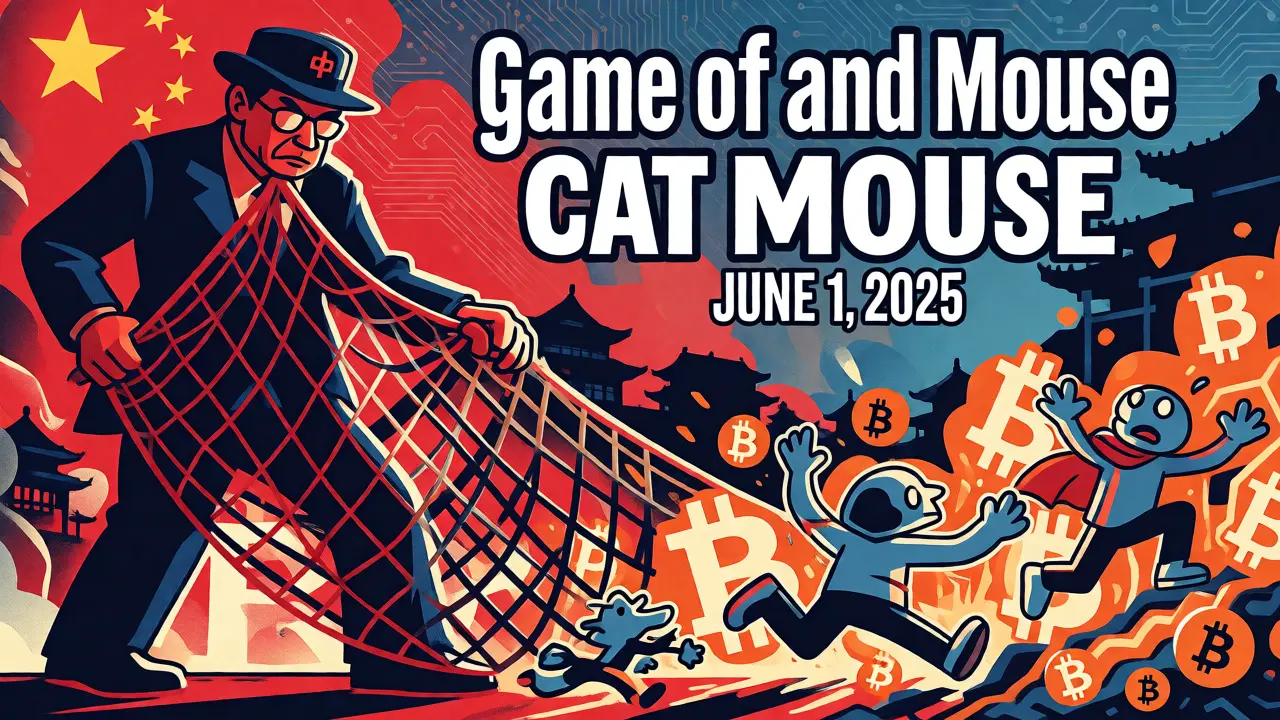
Over 600,000 Bangladeshis use Binance despite a government ban, revealing a growing underground crypto market driven by remittances, inflation, and lack of banking alternatives.
When you hear Crypto, digital money that runs on decentralized networks without banks. Also known as cryptocurrency, it lets you send value directly to anyone, anywhere, without asking permission. That’s the promise. But most people don’t realize how much of it is fake, broken, or outright stolen. Behind every hype tweet about a new token, there’s a real risk—scams, failed projects, and exchanges that vanish overnight. This isn’t theory. It’s what’s happening right now.
Blockchain, a public, tamper-proof ledger that records every transaction. Also known as distributed ledger technology, it’s the engine behind crypto—but most users never see it working. You don’t need to understand the math. You just need to know what to watch for: projects with no team, exchanges that don’t verify users, or tokens that trade for pennies with zero volume. That’s not innovation. That’s a trap. And when you hear about airdrops, free tokens promised for signing up or sharing a link. Also known as free crypto giveaways, they’re often just bait to steal your private keys or trick you into paying gas fees. Over 90% of them are scams. The few real ones? They don’t ask for your password. They don’t send you links. They don’t promise riches.
What you’ll find here isn’t fluff. It’s the truth behind the noise. We’ve dug into the shutdown of TradeOgre after Canada seized $40 million. We’ve checked the real status of Upbit’s $34 billion fine and why it changed how every exchange operates. We’ve traced the rise and crash of tokens like SOVRUN, TSUGT, and KILLA—not because they’re trendy, but because people lost money believing the hype. You’ll learn why impermanent loss can wipe out your DeFi gains even when prices go up, how slashing penalties can cost you thousands in proof-of-stake, and why KYC rules aren’t going away—they’re here to stay.
There’s no magic bullet. No secret airdrop waiting for you if you just click fast enough. What you need is clarity. You need to know which exchanges are real, which tokens have zero chance, and how to protect your money before you even think about investing. This collection isn’t about getting rich quick. It’s about not getting robbed slow.
Over 600,000 Bangladeshis use Binance despite a government ban, revealing a growing underground crypto market driven by remittances, inflation, and lack of banking alternatives.
India's 30% crypto tax applies to all Bitcoin trades with no loss offsets, 1% TDS, and 18% GST on fees. Learn how it works, why it's harsher than global rules, and how to stay compliant in 2026.
Details on the FOTA CoinMarketCap airdrop campaign, including current status, risks, and how to stay safe. Despite a $100k reward pool, the token shows $0 price and no active listings. Learn what's known and why caution is advised.
Bitex isn't a single exchange but multiple unrelated platforms with varying legitimacy. This review explains the confusion, risks, and why experts advise against using any Bitex service.
Bitcoin halving events reduce new coin supply by half every four years, historically triggering multi-year bull markets. Learn how this programmed scarcity shapes price cycles, miner behavior, and crypto market trends.
Bitcoin's 32-bit nonce range is exhausted in milliseconds under today's mining difficulty. Learn how miners adapt, why this design still works, and what it means for the future of blockchain security.
South Korea enforces some of the world's strictest crypto rules: only four licensed exchanges, real-name bank links, no credit cards, and a 20% tax on profits over 2.5 million KRW. Security is high, but choices are limited.
Participate in the Convergence Finance x CoinMarketCap airdrop to earn up to 470 CONV tokens. Learn the five simple steps, what CONV is used for, and how to avoid common mistakes.
Cryptobuyer Pro is a known crypto scam with no legitimate operations. Learn how it works, why it's dangerous, and which real exchanges to use instead in 2026.
State channels enable fast, private blockchain transactions off-chain, but their security relies entirely on users monitoring for fraud. Learn how they work, why they’re risky if misused, and how watchtowers help.
Scamcoin (SCAM) is a satirical cryptocurrency that openly admits it has no value-yet still trades with a $586K market cap. Learn how this ironic token exposes crypto's hype culture.
BIB Exchange promises high crypto returns but has been flagged by Washington State regulators for fraud. Users report withdrawal failures, fake licensing, and impossible APYs. Avoid this platform.