You want a crypto exchange that feels safe. Not the kind of safety promised by flashy ads, but the real deal-the kind backed by regulators, auditors, and a parent company you can actually find on a stock ticker. That is exactly where Bakkt positions itself. Backed by Intercontinental Exchange (ICE), the same giant behind the New York Stock Exchange, Bakkt was built to bridge the gap between Wall Street’s rigid compliance and the wild west of digital assets.
But here is the catch: being "institutional grade" does not always mean "user friendly." While Bakkt offers rock-solid security and regulatory oversight across all 50 U.S. states, it struggles with customer service bottlenecks and a surprisingly thin selection of cryptocurrencies compared to its retail-focused rivals. If you are an individual trader looking to diversify into altcoins or need instant phone support when your account locks up, Bakkt might feel more like a bank vault than a trading floor. Let’s break down whether this platform fits your specific needs in 2026.
Who Is Bakkt Really For?
To understand Bakkt, you have to look at who built it. Launched in 2018, Bakkt is not a startup trying to disrupt finance; it is a product of traditional finance designed to tame crypto. Its primary audience has always been institutions-banks, hedge funds, and large corporations that need secure custody solutions and regulatory clarity.
In January 2026, the company officially changed its corporate name to Bakkt, Inc., signaling its maturity as a publicly traded entity. This shift highlights its focus on enterprise clients. For example, in 2025, lending platform Nexo partnered with Bakkt to re-enter the U.S. market after being forced out due to SEC penalties. Nexo needed Bakkt’s regulated infrastructure to offer compliant yield and credit products to American users again. This is Bakkt’s sweet spot: providing the plumbing for other financial products to operate legally.
For the average retail user, this means you get a very secure environment, but you might miss some features common on consumer-first exchanges. You won’t find a bustling community forum or endless meme coins. Instead, you get a clean, quiet interface focused on Bitcoin and Ethereum, backed by the weight of one of the world’s largest financial markets.
Security and Regulatory Compliance
If security is your top priority, Bakkt is arguably one of the safest bets in the industry. Unlike many offshore exchanges that vanished overnight, Bakkt operates under strict U.S. regulations. It holds licenses from the New York State Department of Financial Services (NYSDFS), which is widely considered the toughest regulator in the country for crypto businesses.
Additionally, Bakkt is registered as a Money Services Business (MSB) with FinCEN (Financial Crimes Enforcement Network) and holds state money transmission licenses in all 50 states. This comprehensive licensing allows them to operate legally anywhere in the U.S., a massive advantage for customers who worry about their exchange shutting down in their state.
Their security model relies on institutional-grade custody. Your assets are not just sitting in a hot wallet connected to the internet; they are stored in cold storage systems that undergo regular third-party audits. For high-net-worth individuals or businesses holding significant amounts of Bitcoin, this level of segregation and auditing provides peace of mind that fewer platforms can match.
Trading Fees and Costs
When it comes to fees, Bakkt tries to compete with the big players, but the structure can be tricky depending on how you trade. According to recent data, Bakkt charges a trading fee of approximately 0.002% on certain institutional volumes. On paper, this looks incredibly cheap compared to Coinbase, whose fees can range from 0% to nearly 4% depending on payment method and volume.
However, there is a nuance here. The 0.002% rate often applies to deeper liquidity tiers or specific API-driven trades. For standard retail users buying via the mobile app, you may encounter wider spreads or different fee structures that make small purchases less cost-effective. Additionally, while Binance offers fees as low as 0.012%, Bakkt’s lower headline fee doesn't necessarily translate to lower total costs if you factor in withdrawal fees or deposit processing times.
Long-term traders have reported mixed feelings about these costs. While the per-trade fee is low, the lack of advanced order types or leverage options means you cannot execute complex strategies without paying higher costs elsewhere. If you are just buying and holding Bitcoin, the fees are reasonable. If you are day-trading, you might find yourself frustrated by the limited tools.
Cryptocurrency Selection: A Major Limitation
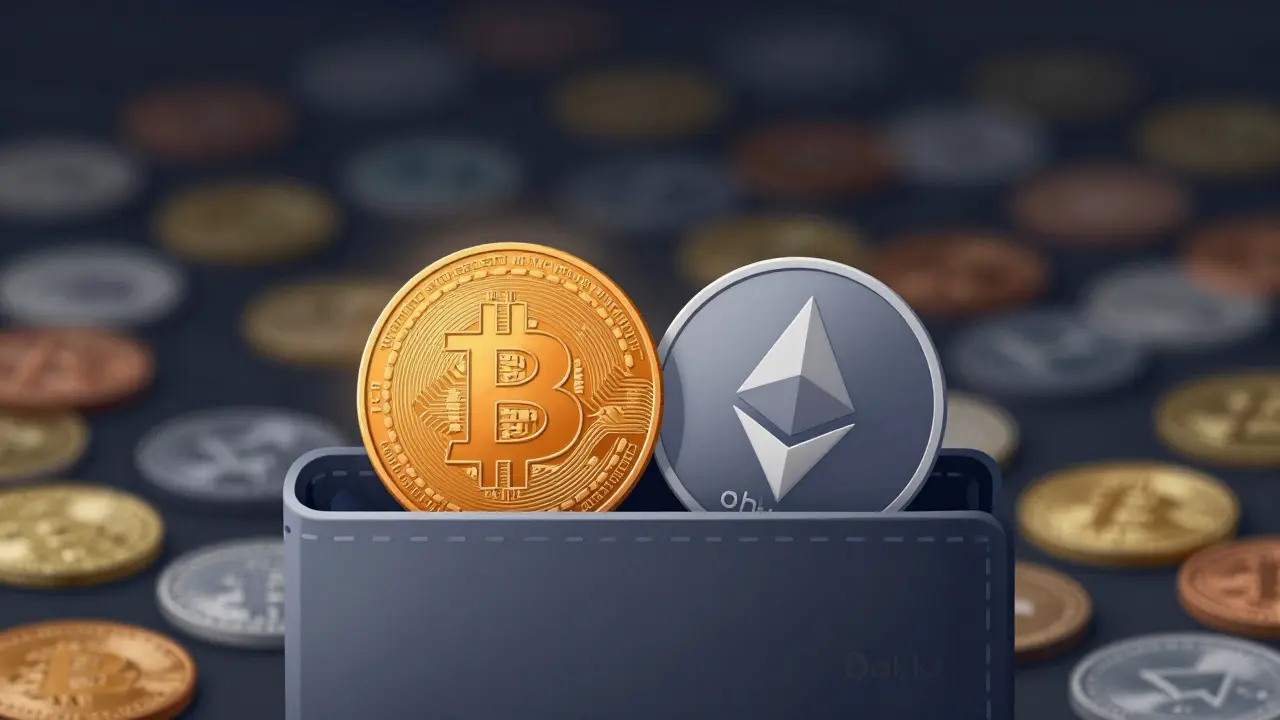
This is where most retail users hit a wall. Bakkt’s selection of cryptocurrencies is extremely limited. At the time of writing, the platform primarily supports Bitcoin (BTC) and Ethereum (ETH). Some comparisons even list only Bitcoin as available for direct trading in certain contexts, though Ethereum is generally accessible via the wallet.
Compare this to competitors:
- Binance: Offers 350+ cryptocurrencies.
- Coinbase: Offers 200+ cryptocurrencies.
- Kraken: Offers over 90 major pairs.
If you are interested in Solana, Cardano, Polkadot, or any of the hundreds of altcoins driving innovation in DeFi and NFTs, Bakkt is not the right place. The platform’s conservative approach prioritizes stability and regulation over variety. They have stated they plan to expand offerings gradually, but for now, if you want a diversified portfolio, you will likely need to use Bakkt alongside another exchange.
User Experience and Customer Support
The Bakkt mobile app is clean, intuitive, and integrates well with daily life. It functions as a digital wallet, allowing you to manage your holdings, convert loyalty rewards into crypto, and spend Bitcoin using the integrated Visa debit card. You can use Apple Pay to pay in-store or online, making it one of the few exchanges that seamlessly blends crypto with everyday spending.
However, the experience falls apart when things go wrong. Customer support is a persistent pain point. Multiple reviews from 2023 and continuing into 2024 highlight severe deficiencies in human support. Users report relying exclusively on bot-based responses, with no option to speak to a live agent over the phone.
One documented case involved a user waiting eight business days to access their deposited funds because they could not log in. Another user filed complaints with the Better Business Bureau after failing to get timely assistance. In the crypto world, where prices swing wildly in minutes, an eight-day delay in accessing your own money is unacceptable. While Bakkt’s security is top-tier, their ability to resolve account issues quickly leaves much to be desired.
Bakkt vs. Competitors: How Does It Stack Up?
To help you decide, let’s compare Bakkt against two of its main competitors: Coinbase and Binance. Each serves a different type of user, and understanding these differences is key to choosing the right platform.
| Feature | Bakkt | Coinbase | Binance |
|---|---|---|---|
| Regulatory Oversight | NYSDFS, FinCEN, All 50 States | NYDFS, FinCEN, Global Licenses | Varies by Region (Less US-Focused) |
| Crypto Selection | Limited (BTC, ETH) | Extensive (200+) | Massive (350+) |
| Trading Fees | Low (~0.002% institutional) | Moderate to High (up to 3.99%) | Very Low (0.012%-0.10%) |
| Customer Support | Poor (Bot-only, slow response) | Average (Live chat, email) | Average (Ticket system) |
| Best For | Institutions, BTC/ETH Holders | Retail Beginners, US Residents | Active Traders, Altcoin Hunters |
Coinbase remains the go-to for Americans who want a wide selection of coins with good regulatory protection. Binance is the choice for traders who want the lowest fees and the widest variety of assets, though it faces ongoing scrutiny in the U.S. Bakkt sits in the middle: safer than Binance for U.S. residents, but less versatile than Coinbase for retail traders.
Enterprise Solutions and Loyalty Programs
Beyond individual trading, Bakkt is heavily invested in B2B solutions. Their BakktX platform provides full-stack APIs for businesses to integrate crypto trading and custody directly into their own applications. This is how companies like Nexo were able to relaunch their services in the U.S.
They also offer unique loyalty program integrations. Businesses can allow customers to earn cryptocurrency through rewards points, which can then be redeemed for cash or spent via the Bakkt Visa card. This creates a closed-loop ecosystem that encourages adoption without requiring users to navigate complex blockchain transactions manually. If you work in marketing or product management for a large brand, Bakkt’s API suite is worth exploring.
Final Verdict: Should You Use Bakkt?
Bakkt is a paradox. It is one of the most secure, regulated, and financially sound platforms in the crypto space, yet it offers one of the worst experiences for retail users who need flexibility or support.
You should choose Bakkt if:
- You primarily trade Bitcoin and Ethereum.
- You value regulatory compliance and institutional-grade custody above all else.
- You want to spend your crypto easily via a Visa card and Apple Pay.
- You are an institution or business needing compliant crypto infrastructure.
You should avoid Bakkt if:
- You want to trade altcoins or diverse digital assets.
- You need immediate human customer support.
- You are an active day-trader requiring advanced charting tools and leverage.
In 2026, Bakkt has solidified its role as a bridge for traditional finance. But for the everyday investor, it remains a niche tool rather than a comprehensive exchange. Use it for what it does best-securely holding your core Bitcoin position-and leave the rest to more agile competitors.
Is Bakkt safe for storing cryptocurrency?
Yes, Bakkt is considered highly safe. It uses institutional-grade cold storage custody and is regulated by the New York State Department of Financial Services (NYSDFS) and FinCEN. It also undergoes regular third-party audits to ensure asset security.
What cryptocurrencies can I trade on Bakkt?
As of 2026, Bakkt primarily supports Bitcoin (BTC) and Ethereum (ETH). The selection is significantly smaller than competitors like Coinbase or Binance, which offer hundreds of altcoins.
Does Bakkt have customer support?
Bakkt offers customer support, but it is heavily reliant on automated bots. Many users report difficulties reaching a live human agent, especially for urgent issues like login problems or deposit delays. There is no dedicated phone support line for retail users.
How do Bakkt's fees compare to Coinbase?
Bakkt’s institutional trading fees can be as low as 0.002%, which is lower than Coinbase’s standard retail fees that can reach up to 3.99%. However, retail users on Bakkt may face wider spreads or different fee structures that reduce this advantage for small trades.
Can I use Bakkt outside of the United States?
Bakkt is primarily focused on the U.S. market, operating in all 50 states. While it has some international presence, its regulatory framework and features are optimized for American users and institutions.
What happened to Nexo and Bakkt?
In 2025, Nexo partnered with Bakkt to re-enter the U.S. market. After facing SEC penalties and exiting the U.S. in 2022, Nexo used Bakkt’s regulated infrastructure to offer compliant crypto lending and yield products to American customers again.
Write a comment