You’ve seen the ticker LANC pop up on a chart or in a chat group, and you want to know what Lanceria is. It sounds like a legitimate project, but here is the hard truth: there is no widely recognized, established cryptocurrency named "Lanceria" with the ticker LANC in the major markets as of May 2026.
This silence is not an accident. In the world of digital assets, if a coin isn’t listed on top-tier aggregators like CoinGecko or CoinMarketCap, it usually means one of two things. Either it is a brand-new, unproven micro-cap project with zero liquidity, or it is a copycat designed to trick investors who are looking for something else. Most often, it’s the latter.
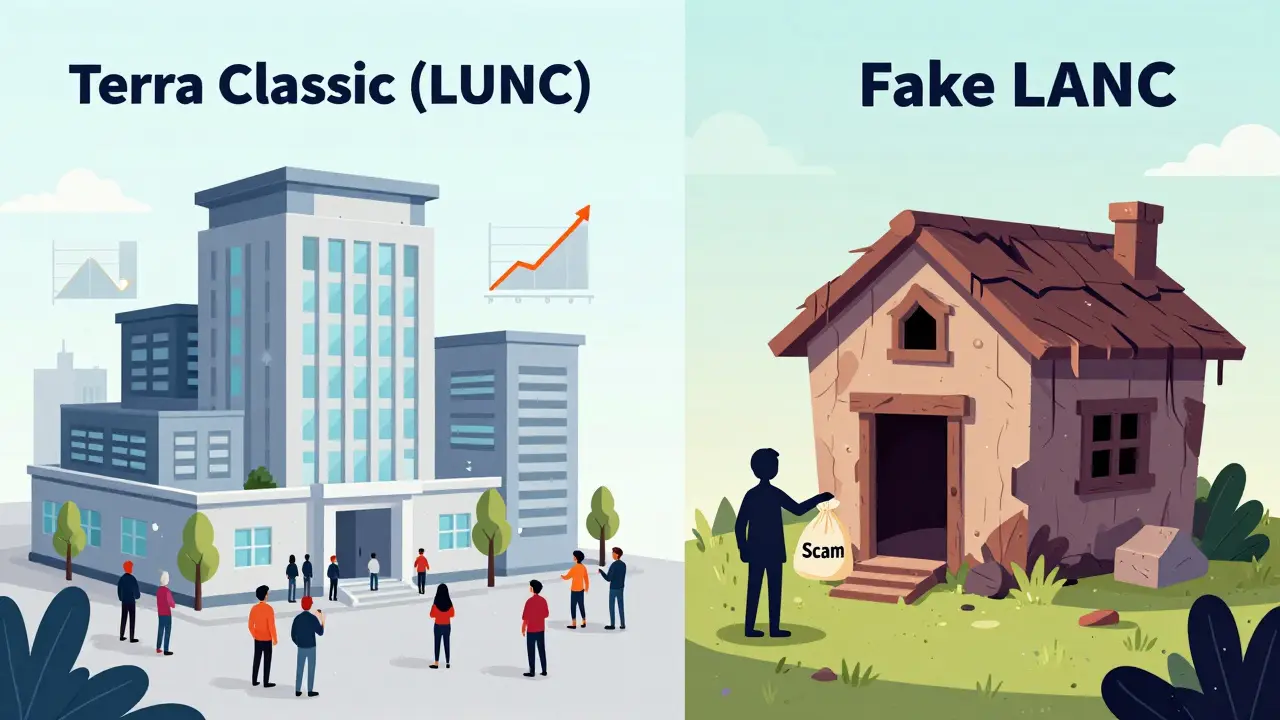
The confusion almost always stems from a single letter. You might actually be looking for Luna Classic (LUNC). This is a massive, well-known asset with a turbulent history. Mixing up LANC and LUNC can lead to catastrophic financial losses. Before you put a single dollar into anything labeled LANC, you need to understand why this distinction matters and how to spot a fake.
The Danger of One-Letter Confusion
In crypto, tickers are short because they are easy to type, but that brevity creates a huge risk for typos and scams. Luna Classic trades under the ticker LUNC. If you search for LANC, you are likely seeing a different asset entirely. Scammers love this gap. They create a token called "Lanceria" or simply use the ticker LANC on a decentralized exchange, hoping that tired traders will accidentally buy their worthless coins instead of the real thing.
Think of it like buying airline tickets. If you want to fly to London, you book Heathrow (LHR). If you accidentally book a flight to a tiny airport with a similar code, you aren’t just late; you’re stranded. In crypto, being "stranded" means your money is gone forever. There is no customer service to call. There is no chargeback. Once you swap your Bitcoin for a fake LANC token, that value is trapped in a contract controlled by someone else.
To avoid this, you must verify the Contract Address. Every token on a blockchain has a unique string of characters that identifies it. The contract address for Luna Classic on the Terra network is completely different from any random LANC token you find on a lesser-known chain like Binance Smart Chain or Ethereum. Never trust the name alone. Always check the hash.
Understanding Luna Classic (LUNC): The Real Asset
If you were actually interested in the major player behind the confusion, you need to look at Terra Classic. Originally launched in 2018 by Terraform Labs, this ecosystem was supposed to revolutionize stablecoins. The plan involved two tokens: UST, a stablecoin pegged to the US dollar, and LUNA, the governance token used to balance the system. When the peg broke in May 2022, the original chain became Terra Classic, and the token became Luna Classic (LUNC).
As of May 2026, LUNC is still trading, but its story is one of caution. It serves as a reminder of what happens when algorithmic stability fails. The community remains active, driven by a mix of die-hard believers hoping for a revival and traders looking for quick gains based on burn events. However, it lacks the fundamental utility that drives long-term growth in other blockchains. It is a zombie chain with a heartbeat, kept alive by speculation rather than usage.
Key attributes of LUNC include:
- Network: Terra Classic Blockchain
- Consensus: Tendermint BFT
- Total Supply: Trillions (due to hyperinflation during the crash)
- Use Case: Governance and transaction fees on the legacy Terra network
Comparing this to a hypothetical "Lanceria," the difference is stark. LUNC has years of data, a known developer history, and a clear path of failure. LANC has none of this. It is a blank slate, which in crypto terms, usually means high risk and low reward.
| Feature | Luna Classic (LUNC) | Generic "Lanceria" (LANC) |
|---|---|---|
| Recognition | High (Top 100-200 market cap historically) | None or negligible |
| Liquidity | Available on major exchanges (Binance, Kraken) | Often only on DEXs with thin pools |
| Risk Level | High (Volatility, regulatory uncertainty) | Extreme (Scam, rug pull, illiquidity) |
| Community | Large, active social media presence | Bot-driven or non-existent |
How to Spot a Fake or Low-Quality Token
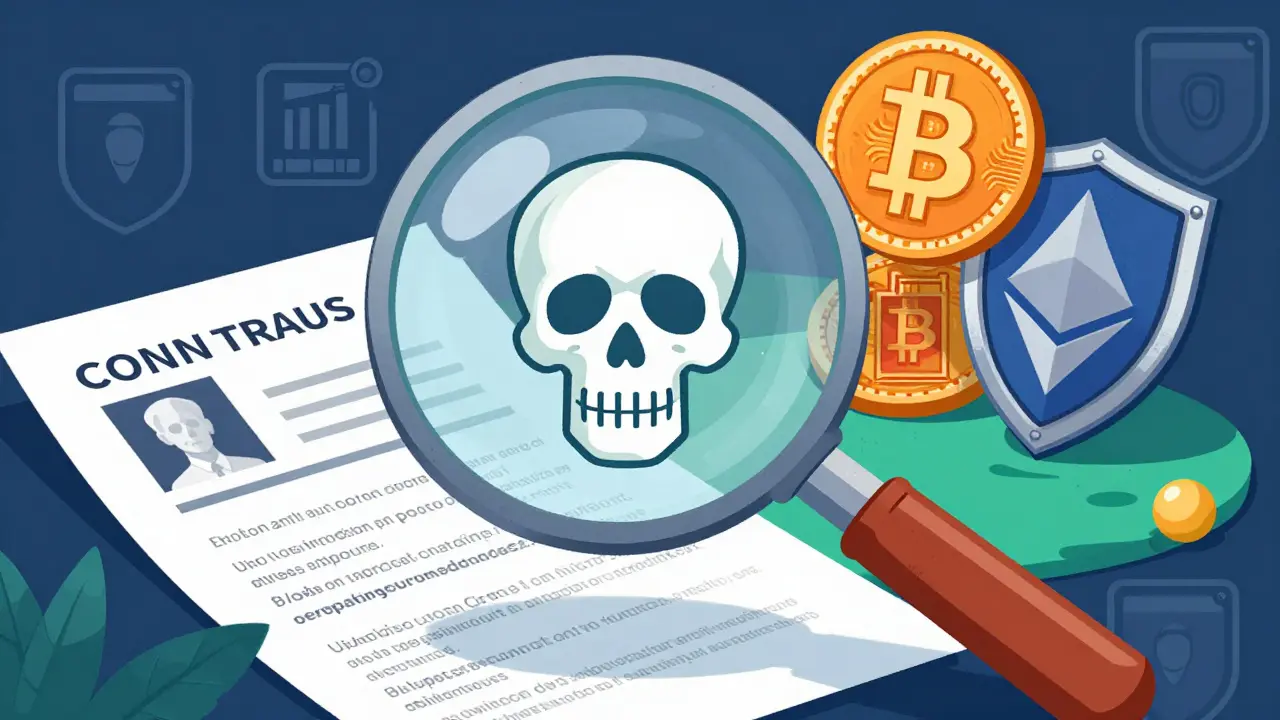
If you are determined to investigate a token called Lanceria, you need to act like a detective. Do not trust screenshots or promotional videos. Go to the source. Here is a checklist to determine if a token is worth your attention or if it should be avoided entirely.
- Check Aggregators: Search for "LANC" on CoinGecko and CoinMarketCap. If it doesn’t appear, or if the market cap is less than $1 million, proceed with extreme caution. Legitimate projects strive for visibility to attract users.
- Verify the Contract: Use a block explorer like Etherscan or BscScan. Paste the contract address provided by the project. Look at the holder distribution. If one wallet holds more than 50% of the supply, it is a centralization risk. The developers could dump all their tokens on you at any moment.
- Read the Whitepaper: Does it exist? Is it written in clear English, or is it filled with buzzwords like "quantum AI" and "metaverse synergy" without explaining how the technology works? A lack of technical detail is a red flag.
- Analyze Social Sentiment: Join their Discord or Telegram. Ask questions. If the answers are generic, delayed, or if mods delete negative comments, leave immediately. A healthy community discusses both pros and cons.
Another critical factor is the Tokenomics. This refers to the economic model of the token. How many tokens are in circulation? Are new tokens being printed endlessly? If a project has an infinite supply and no burning mechanism, inflation will erode your investment. Compare this to Bitcoin, which has a fixed supply of 21 million. Scarcity drives value; abundance dilutes it.
The Psychology of FOMO and Copycats
Why do these fake tokens exist? They exploit Fear Of Missing Out (FOMO). When a major coin like Bitcoin or Ethereum rises, people rush in. Scammers create tokens with similar names or tickers to catch the overflow traffic. They don’t care about building a product; they care about pumping the price briefly so they can sell their holdings before the rest of the market realizes the error.
This tactic is common in meme coins and low-cap altcoins. You might see a token called "ElonGate" or "DogeMoon." These have no utility. They are pure gambling. Lanceria (LANC) falls into this category unless proven otherwise. Without a working product, a verified team, and significant exchange listings, it is safer to assume it is a gamble than an investment.
Investors often fall for this because they want to be early. They tell themselves, "If I buy now, I’ll be rich when it hits Binance." But for every person who gets lucky, thousands lose everything. The odds are stacked against you because the creators hold most of the supply. They control the narrative and the liquidity. You are playing their game on their board.
Safer Alternatives for Crypto Exposure
If you are looking to diversify your portfolio beyond Bitcoin, consider sticking to assets with proven track records and transparent development teams. Ethereum remains the leader in smart contracts, hosting thousands of decentralized applications. Solana offers high-speed transactions at low costs, making it popular for retail users. Cardano focuses on peer-reviewed research and gradual upgrades.
These projects have survived multiple market cycles. They have faced criticism, bugs, and competition, yet they continue to evolve. Their communities are built on shared interest in technology, not just price speculation. By investing in established ecosystems, you reduce the risk of losing your capital to a scam or a failed experiment.
Remember, in crypto, preservation of capital is just as important as growth. Losing 100% of your money on a fake LANC token is irreversible. Losing 20% on a volatile but legitimate asset is part of the learning process. Choose wisely.
Is Lanceria (LANC) the same as Luna Classic (LUNC)?
No, they are completely different assets. Luna Classic (LUNC) is the native token of the Terra Classic blockchain, formerly known as Terra. Lanceria (LANC) does not refer to a widely recognized or established cryptocurrency. Confusing the two can lead to accidental purchases of worthless tokens.
Where can I buy Lanceria (LANC) tokens?
There are no major centralized exchanges listing a token named Lanceria with the ticker LANC. If you find it on a decentralized exchange, exercise extreme caution. Verify the contract address and check for liquidity depth before attempting any trade.
How do I verify if a crypto token is legitimate?
Check for listings on reputable aggregators like CoinGecko or CoinMarketCap. Verify the contract address on a block explorer. Analyze the holder distribution to ensure no single wallet controls a majority of the supply. Read the whitepaper for technical clarity and check social channels for genuine community engagement.
What happened to the original Terra blockchain?
The original Terra blockchain collapsed in May 2022 due to the failure of its algorithmic stablecoin, UST. The chain was rebranded as Terra Classic, and the token became Luna Classic (LUNC). A separate chain, Terra 2.0, was launched by the founders, but the original community retained control of the Classic chain.
Why are ticker symbols important in crypto?
Ticker symbols are short identifiers for cryptocurrencies. Because they are brief, they are prone to typos and intentional mimicry by scammers. Always double-check the exact spelling and contract address to ensure you are interacting with the correct asset.

Write a comment