Did you know that holding Solar (SXP) tokens on the old Ethereum network didn't qualify you for the recent CoinMarketCap Learn & Earn airdrop? It sounds counterintuitive, but that strict requirement was exactly what made this campaign so effective at driving adoption of the new Solar Network mainnet. If you missed out or are preparing for the next wave of crypto airdrops, understanding the mechanics behind this specific event is crucial. This guide breaks down exactly how the 50,000 SXP distribution worked, why wallet compatibility mattered more than your balance, and what you need to do to stay eligible for future rewards.
Why the Solar Airdrop Required a New Wallet
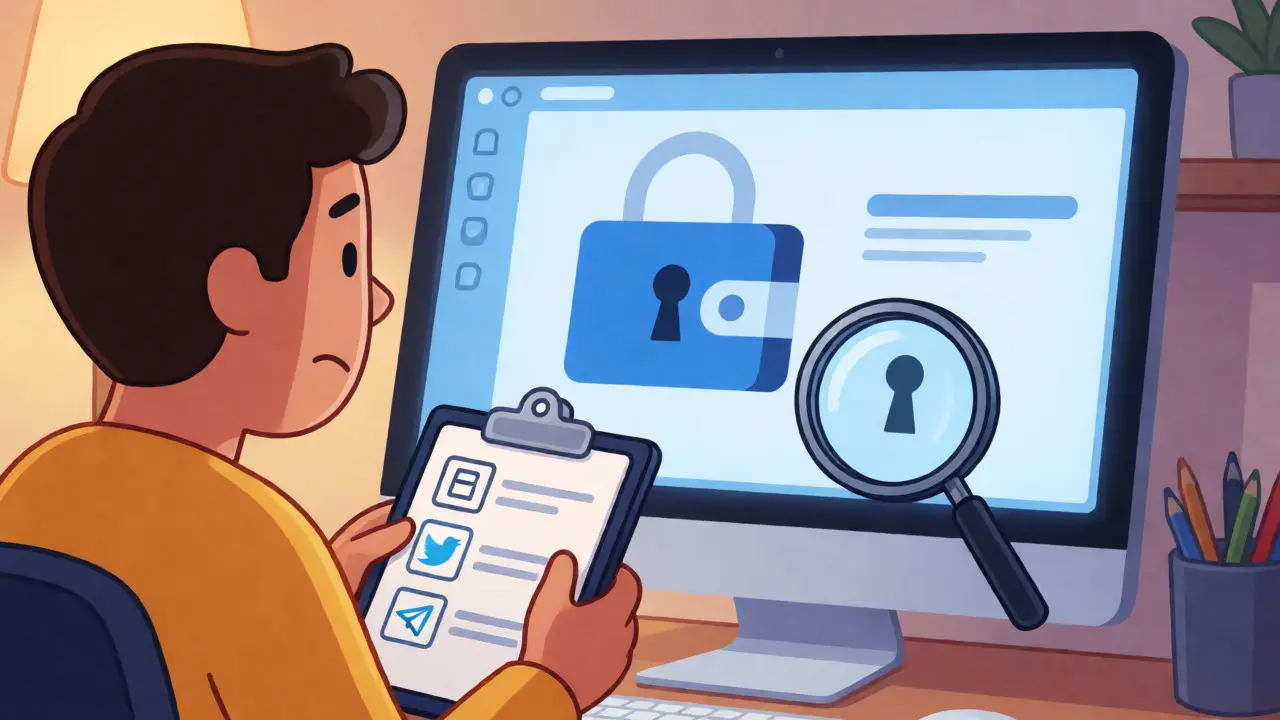
Most people assume that if they already own a token, they’re automatically in line for free coins. Not here. The Solar Network, formerly known as Swipe, migrated from a simple payment card service to its own Layer-1 blockchain. To push users onto this new infrastructure, the team partnered with CoinMarketCap for a targeted "Learn & Earn" campaign. The catch? You had to generate a brand-new address on the native Solar mainnet.
This wasn’t just about being difficult. By excluding legacy ERC-20 and BEP-20 addresses, Solar forced over 15,000 new wallets into existence. According to data from Bitget, this move excluded roughly 87% of existing holders who kept their SXP on other chains. While that might seem restrictive, it successfully boosted the network’s active user count, which is a key metric investors watch when evaluating a blockchain’s health. If you want to participate in similar ecosystem-specific drops, always check if the project requires a native chain address rather than an exchange deposit address.
Step-by-Step: How to Qualify for SXP Rewards
The process was designed to filter out bots and ensure participants actually understood the technology. Here is the exact workflow that successful winners followed:
- Create a CoinMarketCap Account: Your profile needed to be at least 30 days old. This rule alone disqualified over 12,000 applicants who created accounts last-minute.
- Download the Official Wallet: Users had to install the Solar desktop wallet (version 2.0.1). Mobile apps weren’t accepted because the team wanted to ensure users were interacting with the full node software.
- Generate a Mainnet Address: This is where most errors happened. You couldn’t use a testnet address. You had to copy the specific string starting with the correct prefix for the live network.
- Complete the Quiz: Before submitting your address, you had to pass a short quiz on Solar’s tech stack, covering topics like Delegated Proof of Stake and NFT functionality.
- Join Community Channels: Following Solar on Twitter and joining their Telegram group were mandatory steps to verify social engagement.
It took technically proficient users about 25 to 35 minutes to complete these steps. However, first-time users often struggled with generating the valid mainnet address, with a 17% failure rate due to confusion between testnet and mainnet environments. If you’re new to this, double-check every character of your address before hitting submit. One typo means zero payout.
What Did Winners Actually Get?
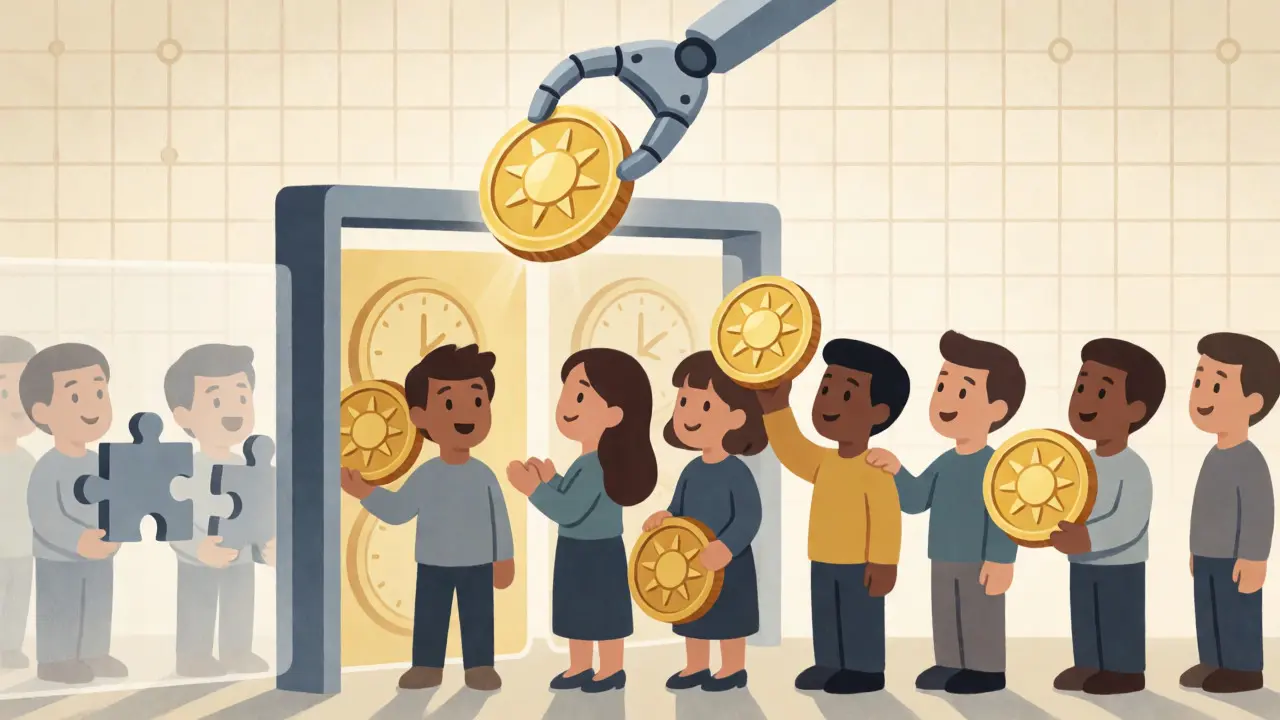
Let’s talk numbers. The total prize pool was 50,000 SXP tokens. With 5,000 spots available, each winner received exactly 10 SXP. At the time of the campaign launch, SXP was trading around $0.10, making the reward worth approximately $1.00 per person. That doesn’t sound like much, does it? But don’t let the low dollar value fool you. The real value lay in the long-term potential of holding native tokens on a growing network.
| Feature | Solar (SXP) Campaign | Typical Layer-1 Airdrop |
|---|---|---|
| Reward Value | ~$1.00 USD (10 SXP) | $50 - $500+ USD |
| Wallet Requirement | New Native Mainnet Only | Any Compatible Wallet |
| Education Component | Mandatory Quiz | Rarely Required |
| Account Age Limit | 30 Days Minimum | None or 7 Days |
While major protocols like zkSync offered hundreds of dollars per user, those campaigns attracted massive speculation. Solar’s approach was quieter but built a more loyal community. Analysts from CoinPedia noted that while the immediate cash value was modest, the campaign accelerated Solar’s DeFi ecosystem development by months simply by getting people used to the new wallet interface.
Common Pitfalls That Disqualified Users
If you’re eyeing future airdrops, avoid these mistakes that tripped up thousands of Solar participants:
- The 30-Day Rule: Many users created fresh CoinMarketCap accounts specifically for the airdrop. These accounts were instantly flagged and rejected. Keep your CMC account active and aged.
- Wrong Wallet Type: Submitting an ERC-20 address (like one from MetaMask for Ethereum) instead of the Solar native address resulted in disqualification. The smart contract couldn’t send tokens to the wrong chain.
- Bypassing the Quiz: Some users tried to skip the educational module. Without a passing score recorded in the backend, the system marked the submission as incomplete.
- Late Community Joins: Accounts that joined Telegram less than 24 hours before the deadline were often filtered out by moderators looking for genuine interest versus bot farming.
One Reddit user, u/AirdropHunter88, shared a painful lesson: he submitted the correct mainnet address but got disqualified because his CoinMarketCap account was only 25 days old. The 30-day requirement wasn’t highlighted clearly in the initial announcement, serving as a reminder to read the fine print thoroughly.
Is the Solar Network Worth Watching?
You might wonder if all this effort is worth it for a $1 token drop. Consider the broader context. Solar Network isn’t just a meme coin; it’s a functional blockchain processing about 1,200 transactions per minute across 53 block producers. It powers real-world utilities like travel bookings through Travala.com and gift cards via Bitrefill.
Forrester Research rated Solar’s potential as "medium-high" (7.2/10), citing its unique position between consumer apps and enterprise infrastructure. If you hold SXP on the mainnet, you aren’t just speculating; you’re participating in a network trying to solve actual payment friction. The airdrop was a customer acquisition cost for Solar, and for you, it was a small entry ticket into their ecosystem. With upcoming features like hardware wallet support and staking rewards, the utility of holding native SXP continues to grow.
Frequently Asked Questions
Can I claim the Solar airdrop using my Binance account?
No, the campaign explicitly required a self-custody wallet on the Solar mainnet. Exchange addresses, including those on Binance, were not eligible for direct claiming because the airdrop aimed to drive adoption of the native Solar desktop wallet.
How long did it take to receive the SXP tokens?
The official terms stated distribution would occur within 14 calendar days after the campaign ended. However, many users reported receiving their 10 SXP tokens faster, with some seeing them in their wallets within just 3-5 days.
What happens if I fail the educational quiz?
You can retake the quiz. Data from CoinMarketCap showed the average user needed about 2.3 attempts to pass. There was no penalty for failing initially, but you had to pass before your wallet address submission was considered valid.
Was there a limit on how many accounts could participate?
Yes, the airdrop was capped at 5,000 winners. Once 5,000 verified submissions passed the checks, subsequent eligible entries were placed on a waitlist or rejected depending on the final tally. This scarcity ensured each participant received the full 10 SXP amount.
Do I need KYC verification for Solar airdrops?
Generally, no extensive KYC (Know Your Customer) document upload was required for this specific campaign. Verification relied on social media connections (Twitter, Telegram) and the age of the CoinMarketCap account to prevent sybil attacks.
Courtney Parker
Wow, $1.00 reward? That's hilarious 😂. Why would anyone spend 35 minutes setting up a desktop wallet for a dollar? Total waste of time imo. 🙄
Idowu Emmanuel
I think the value isn't just in the immediate cash but in getting familiar with the ecosystem early on! It is great to see projects trying to educate users rather than just throwing money at bots.
Saket Kulkarni
I agree with the previous comment. The education component is vital for long term adoption. Many people hold crypto without understanding what they actually own. This quiz ensures that participants know about Delegated Proof of Stake and NFT functionality. It is a small step but a necessary one for a healthy network.
Eliza Stein-Dodd
Actually, if you read the fine print, the 30-day account age rule was clearly stated. People who complain usually didn't read it. 🤷♀️📚
Kathy Siew
lol true, but lets be real here... forcing ppl to download a specific desktop version (2.0.1) just for a $1 drop is kinda sus? feels like busywork more than genuine community building. i mean yeah its good for metrics but come on...
Jennifer Brosnan
It’s not sus, it’s strategic. If they allowed MetaMask addresses, half those wallets would have dumped immediately. Forcing native wallet usage creates sticky users. You’re missing the point because you want instant gratification. Typical retail behavior.
Finlay Samms
I can see both sides really :) On one hand, yes it is annoying to jump through hoops :/ But on the other, I did learn quite a bit about their tech stack while doing the quiz, so maybe it wasn't a total loss of time? :)
lea terrade
the mainnet vs testnet confusion got me too. i lost an hour trying to figure out why my address kept failing validation. seems like bad UX design honestly. why not auto detect or give clearer examples?
John Lewis
The error rate of 17% mentioned in the post highlights a significant friction point. In my experience working with blockchain integrations, providing copy-pasteable examples of valid prefixes reduces this failure rate drastically. Perhaps the next iteration should include visual aids for address generation.
Rachel Leet
Friction is a feature, not a bug. If it were easy, everyone would do it, and the signal-to-noise ratio would plummet. We are filtering for intent, not just capital. Those who cannot navigate a simple address prefix lack the diligence required for serious participation in decentralized finance. It weeds out the tourists.
Harish Ramaiah
This is so stressful!! 😰 Why must everything be so complicated?? I just wanted some free tokens!! 😭 And now I feel stupid for not reading the rules better. 😩💔
Brittany Ross
Aww, sending positive vibes your way! ✨ It is totally normal to feel overwhelmed by all these technical steps. You are definitely not alone in feeling frustrated. 💖 Hang in there!
Maegan Rust
Think of it as unlocking a new level in your crypto journey! 🗝️ Every hurdle you clear builds your resilience and knowledge base. You are weaving yourself into the fabric of this network, thread by thread. It’s messy right now, but beautiful patterns emerge from chaos. 🌈 Keep exploring, friend!
Mary Burnett
I appreciate the perspective that this process builds loyalty. It is understandable that users feel frustrated by the strict requirements, especially when the monetary reward is low. However, creating a barrier to entry does help ensure that the community consists of individuals who are genuinely interested in the technology rather than just seeking quick profits.
Sophie Fitzgerald
agreed. the low payout filters out the noise. makes sense.