Account Abstraction: What It Is and Why It Changes Everything in Crypto
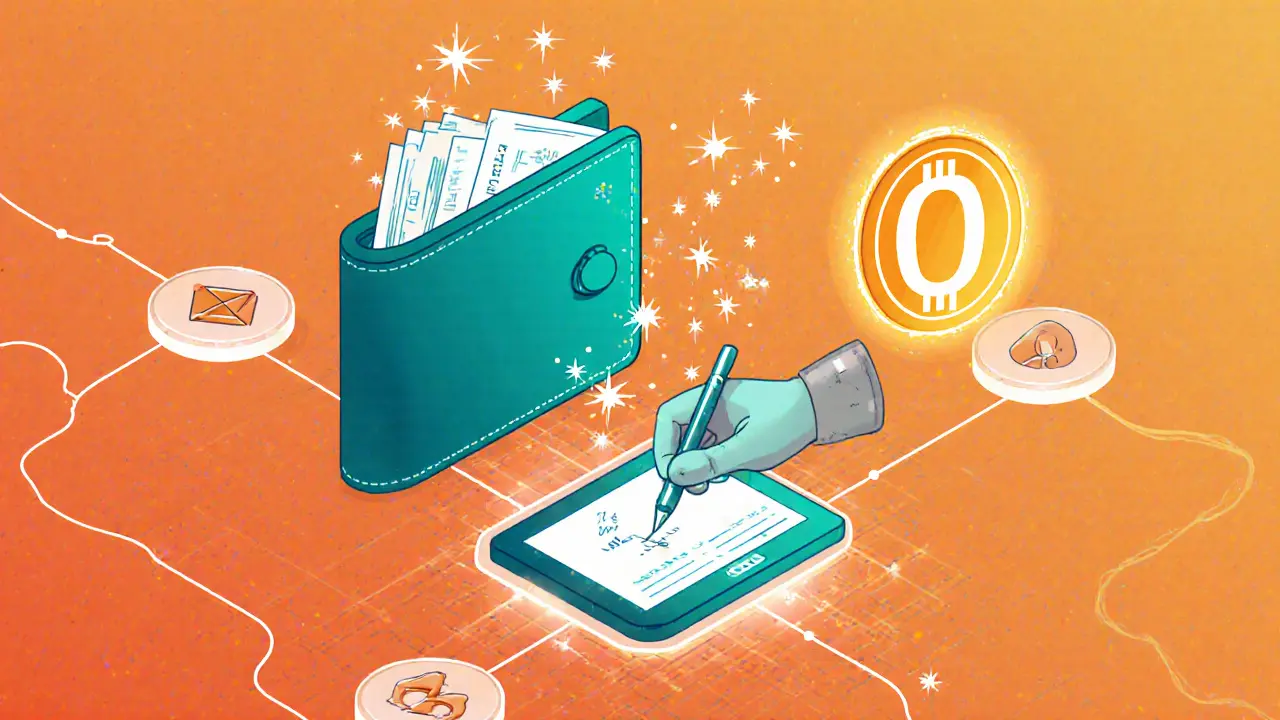
When you think of a crypto wallet, you probably picture a 12-word seed phrase, a risky copy-paste job, and the fear of losing access forever. Account abstraction, a blockchain upgrade that lets wallets behave like smart contracts instead of simple keys. Also known as smart contract wallets, it removes the old model where your wallet is just a private key—and turns it into a programmable, secure, and user-friendly tool. This isn’t theory. It’s already live on Ethereum, Base, and other chains, quietly fixing the biggest pain points in crypto: lost keys, complicated transactions, and no way to recover access if something goes wrong.
Account abstraction lets wallets run code. That means you can set up rules: only allow transactions from certain addresses, require two people to approve a transfer, or even pay gas fees in tokens instead of ETH. No more scrambling to buy ETH just to send a token. It also means you can recover your wallet without a seed phrase—using social recovery, email, or even a trusted friend. This is huge for everyday users. Imagine logging into your wallet with your phone’s face ID instead of typing 12 random words. That’s what account abstraction enables. And it’s not just for power users. It’s designed for people who don’t want to be crypto experts to still use crypto safely. Related to this are ERC-4337, the standard that brought account abstraction to Ethereum without changing the core protocol, and smart contract wallets, the actual wallets powered by this tech, like Safe and Biconomy. These aren’t just tools—they’re the foundation of the next generation of blockchain interaction.
What you’ll find below are real-world examples of how account abstraction connects to everything else in crypto. From airdrops that require smart wallets to access, to exchanges that now support non-custodial logins, to DeFi apps that let you pay fees in stablecoins—all of it ties back to this shift. You’ll see how fake airdrops like HyperGraph or CovidToken exploit old wallet models, while real projects like TripCandy and SOVRUN are building on this new foundation. You’ll also see how regulatory crackdowns on exchanges like Upbit and TradeOgre are pushing the industry toward self-custody, and why account abstraction is the missing piece that makes self-custody actually usable. This isn’t a niche upgrade. It’s the quiet revolution that’s making crypto safer, simpler, and finally ready for the mainstream.