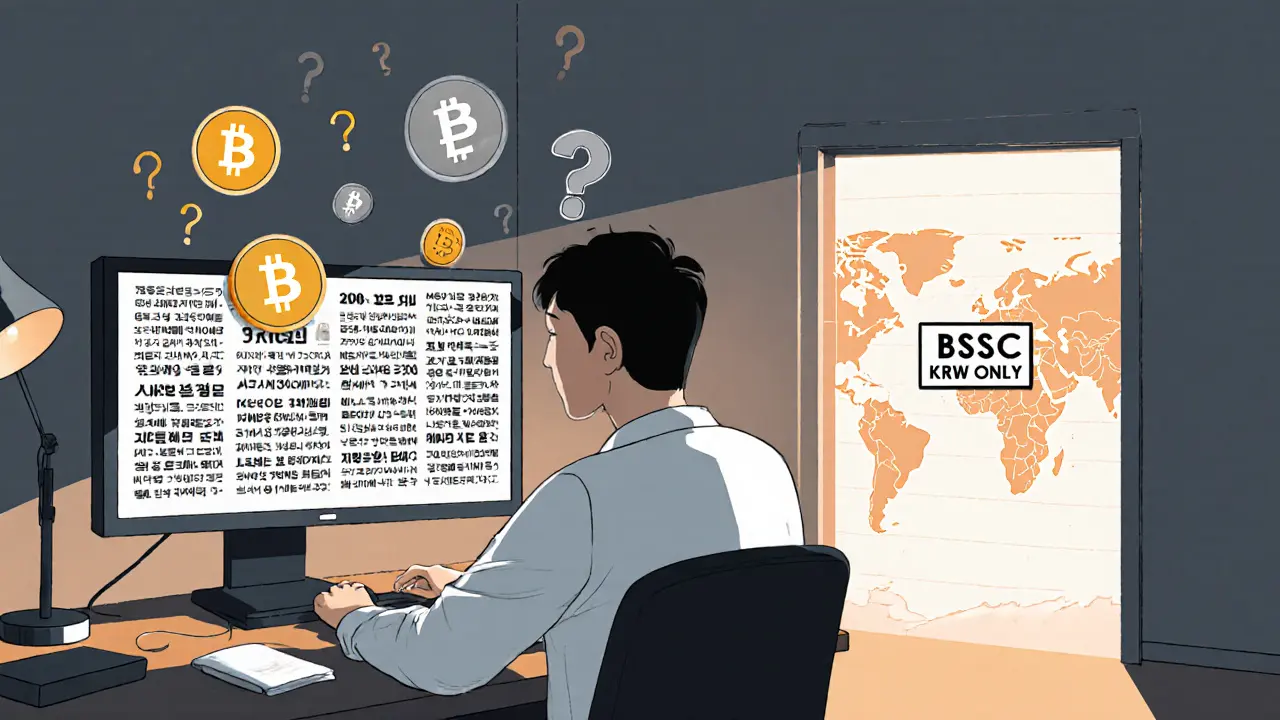
Bitsonic Coin: What It Is, Why It’s Not Real, and What to Watch Instead
When you hear Bitsonic Coin, a supposed cryptocurrency tied to a now-defunct South Korean exchange. Also known as BTSN, it was never a real project—just a name slapped on fake websites and Telegram groups to lure in unsuspecting buyers. There’s no blockchain, no team, no whitepaper, and no exchange listing that ever verified it. It’s not a forgotten coin—it was never alive to begin with.
This isn’t an isolated case. Scammers use names like Bitsonic Coin to piggyback on real names—like the old Bitsonic exchange—that people still remember. They create fake Twitter accounts, fake YouTube videos, and fake airdrop pages that look legit until you try to withdraw and find the site gone. The same pattern shows up in posts about LongBit, a fake crypto exchange with zero traceable history, or AnimeSwap, a phantom DEX on Sui that doesn’t exist. These aren’t bugs in the crypto world—they’re features of the scam economy. People lose money because they trust names, not verification. Real projects don’t need hype. They have audits, public teams, and trading volume. Fake ones rely on urgency: "Limited time!" "Only 100 spots left!" "Join before it launches!"
What you’ll find in the posts below isn’t a guide to buying Bitsonic Coin—because there’s nothing to buy. Instead, you’ll see real breakdowns of how scams like this operate, what red flags to spot, and which actual crypto projects have staying power. From Upbit’s $34 billion fine for failing KYC checks to Canada seizing $40 million from anonymous exchanges, the message is clear: regulation is catching up. Meanwhile, projects like Moola Market on Celo or Shadow Exchange on Sonic are building real tools. Don’t chase ghosts. Learn how to tell the difference.