Blockchain Gaming: How Play-to-Earn Tokens and NFTs Are Changing Gaming
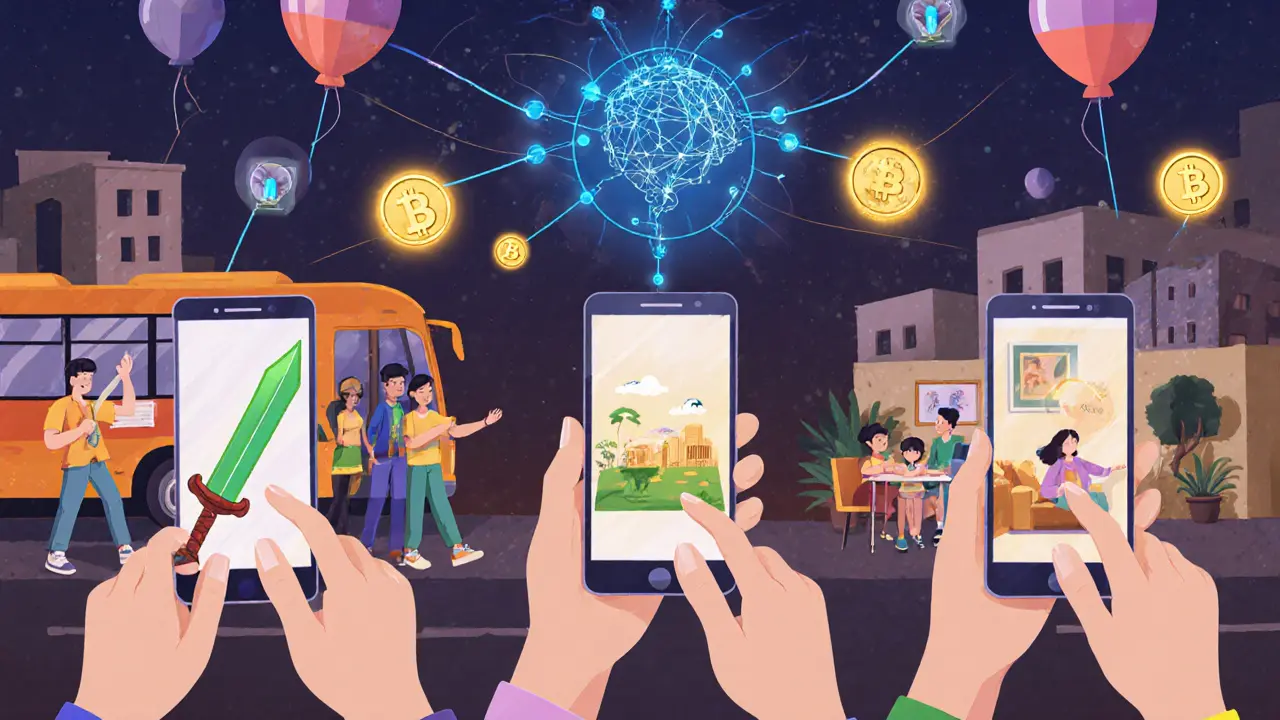
When you play a game like blockchain gaming, a model where players earn real cryptocurrency or own digital assets as NFTs. Also known as GameFi, it turns time spent gaming into something that can be traded, sold, or even used to make money. Unlike traditional games where your skins, weapons, or characters are locked inside the game’s server, blockchain gaming gives you actual control—like owning a house instead of just renting it.
This shift isn’t just about owning stuff. It’s about changing who benefits. In regular games, companies make money from your time, your purchases, and your attention. In blockchain games, you can earn tokens just by playing—like play-to-earn, a system where your in-game actions generate crypto rewards. But here’s the catch: most of these games don’t last. Projects like Captain Tsubasa (TSUGT), a football-themed NFT game on Polygon lost 99.7% of their value. Others, like BEBE, a token built for Minecraft and Rust private servers, are still early, risky, and barely liquid. The hype is loud, but real value is rare.
What makes blockchain gaming work? It needs players who actually want to play—not just farm tokens. It needs games that feel fun first, crypto second. And it needs stable economies. Too many projects pump tokens, lure in speculators, then vanish. That’s why you’ll find posts here about scams pretending to be airdrops, exchanges that don’t exist, and tokens worth $0. But you’ll also find real breakdowns of how NFT games, games where in-game items are unique digital assets on the blockchain actually function, what makes them sustainable, and which ones still have a shot. If you’ve ever wondered why your favorite game’s token crashed, or how to tell a real play-to-earn project from a pump-and-dump, this collection cuts through the noise. What follows isn’t fluff—it’s what you need to know before you click "claim your free tokens" again.