Blockchain Ownership: What It Really Means and Why It Matters
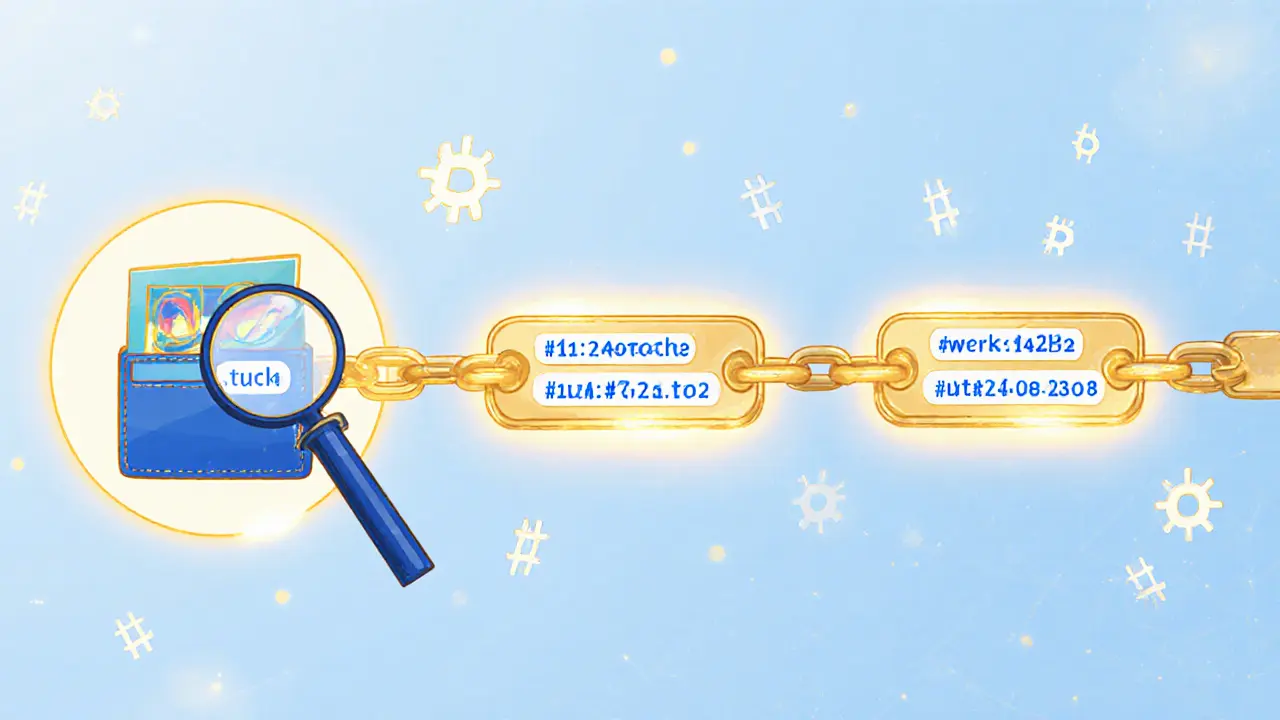
When you hear blockchain ownership, the idea that you can truly possess digital items without relying on companies to grant you access. Also known as decentralized ownership, it means your digital assets—like art, music, or even virtual land—are tied to your wallet, not a server owned by a corporation. This isn’t just tech jargon. It’s the difference between renting something and owning it. If you buy a song on iTunes, Apple can take it away. If you buy an NFT of that same song on a blockchain, you hold the key. No one else can delete it, lock it, or charge you extra to listen.
NFTs, unique digital tokens that prove ownership of a specific item on a blockchain are the most visible example. But blockchain ownership goes deeper. It’s built on smart contracts, self-executing code that enforces rules without middlemen. These contracts handle everything from selling your digital art to letting you vote in a decentralized community. And all of it runs on Web3, the next version of the internet where users control data, not platforms. That’s why so many scams target people who don’t understand this: fake airdrops, fake exchanges, fake NFTs—they all pretend to offer ownership, but they’re just stealing access.
Look at the posts below. You’ll see real cases where people lost money because they thought they owned something, but the project had no blockchain proof, no smart contract, no real transfer mechanism. HyperGraph? Doesn’t exist. LongBit? Fake exchange. CovidToken? Scam. Meanwhile, real blockchain ownership is happening: people selling NFTs directly, using Web3 domains to run websites they control, earning tokens from decentralized apps without giving up their keys. This isn’t about speculation. It’s about control. And if you don’t understand how it works, you’re leaving your digital stuff vulnerable.
What follows isn’t a list of hype. It’s a collection of real stories—some cautionary, some empowering—about who actually owns what on the blockchain. You’ll learn how to spot fake ownership claims, how smart contracts protect (or fail) you, and why Web3 isn’t just a buzzword when it’s tied to your wallet. If you’ve ever wondered if your crypto or NFT is really yours, these posts will show you the truth.