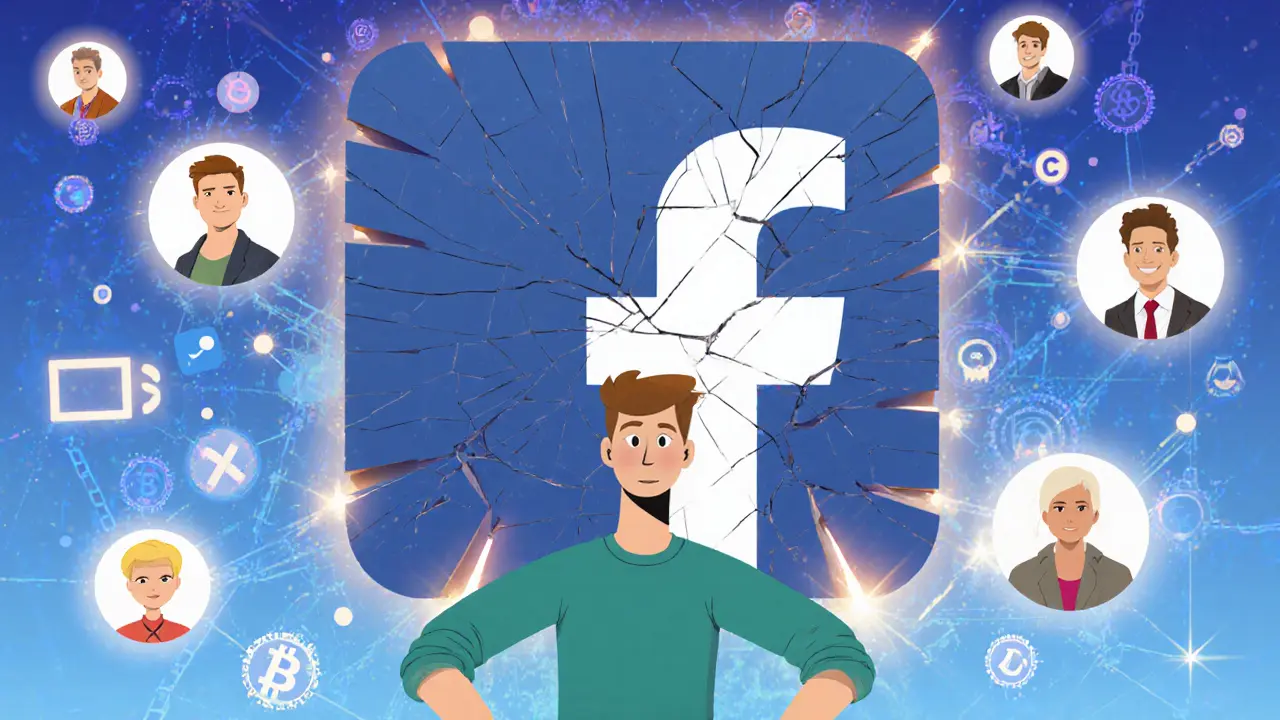
Blockchain Social Media: How Web3 is Changing Online Communities
When you think of blockchain social media, a new kind of online platform where users own their data, content, and earnings through cryptocurrency and smart contracts. Also known as Web3 social networks, it flips the script on platforms like Twitter or Facebook by removing middlemen and putting power back in your hands. This isn’t just about posting memes—it’s about earning tokens for engaging, voting on platform rules, and even owning a piece of the network itself.
Unlike traditional social media, where companies profit from your attention, blockchain social media lets you get paid in crypto for creating content, referring friends, or helping moderate communities. Projects like decentralized social platforms, online networks built on public blockchains where no single entity controls the rules or data use tokens to reward participation. But here’s the catch: most of these tokens are still experimental, and many projects vanish overnight. You’ll find posts here about fake airdrops pretending to be from blockchain social apps, or exchanges like crypto communities, groups of users bonded by shared tokens, governance rights, or decentralized identities that turn out to be scams. The line between real innovation and hype is thin—and you need to know how to spot the difference.
Real blockchain social media isn’t just about flashy token launches. It’s about control. Can you move your followers if the platform shuts down? Can you sell your content as an NFT? Are you locked into one app, or can you take your identity and reputation elsewhere? These are the questions that separate lasting platforms from flash-in-the-pan gimmicks. You’ll see posts here that break down real cases—like how Upbit’s crackdown forced exchanges to tighten KYC rules, or how TradeOgre got shut down for ignoring compliance. Those aren’t just crypto stories—they’re warnings about what happens when social media and finance collide without clear rules.
And then there’s the money side. Some platforms offer social token economies, systems where users earn, spend, and trade tokens tied to community activity, influence, or content value. But as you’ll find in posts about fake airdrops like CovidToken or HyperGraph, scammers know how to copy the language of these systems to trick you. They promise free tokens for signing up—then steal your wallet keys. The real ones? They don’t ask for your private key. They don’t rush you. They don’t promise riches overnight.
What you’ll find below isn’t a list of the hottest new apps. It’s a curated collection of what actually happened—what worked, what failed, and what you need to know before you join the next big thing. From failed token launches to real security risks, these posts cut through the noise. Whether you’re curious about owning your online identity or just trying to avoid losing money to a fake giveaway, this is the practical guide you won’t find on TikTok or Twitter.