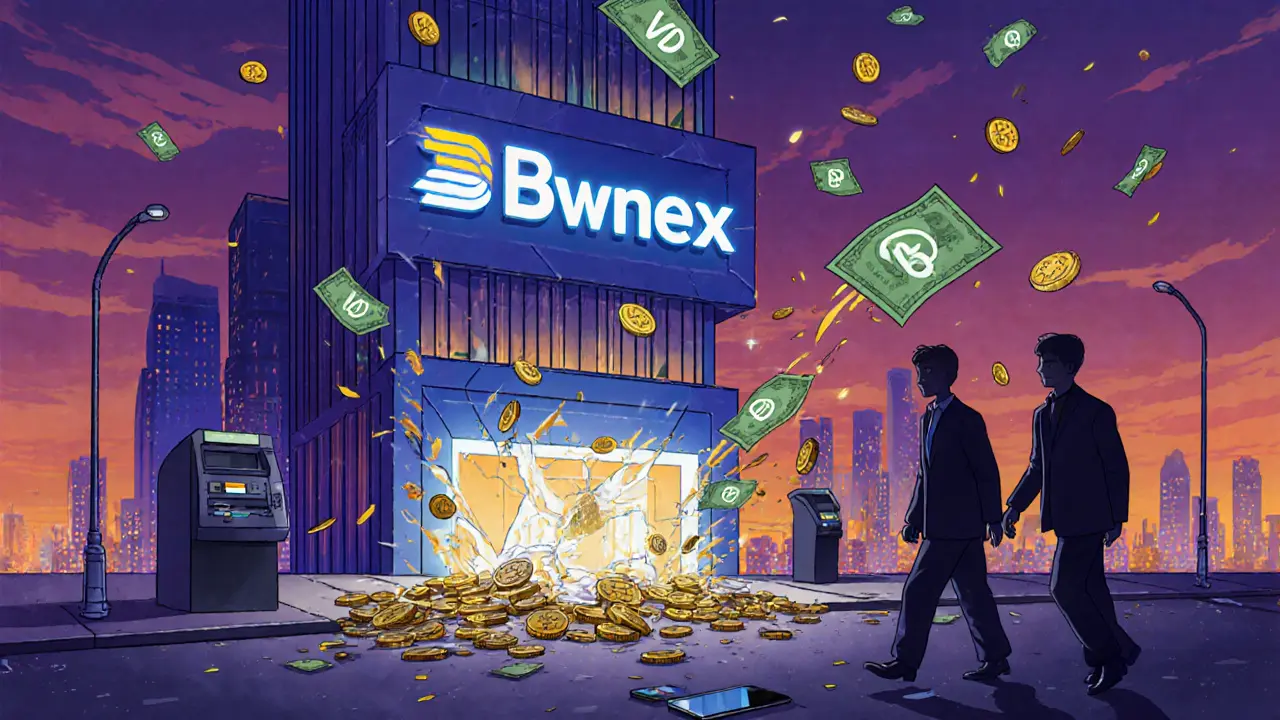
Bvnex Exchange: Is It Legit or a Scam? What You Need to Know
When you hear Bvnex exchange, a platform that claims to let you trade crypto with low fees and fast withdrawals. Also known as Bvnex.io, it pops up in ads, Telegram groups, and YouTube videos promising easy profits. But there’s no trace of it on any official blockchain registry, exchange comparison site, or trusted review platform. It doesn’t exist. Fake exchanges like this aren’t mistakes—they’re designed to steal your crypto before you even log in.
These scams follow the same playbook: they copy the look of real exchanges like Binance or Kraken, use fake testimonials, and promise bonuses if you deposit fast. Then they vanish. You’ll see the same pattern in LongBit crypto exchange, a platform that was never real and had zero user reviews or audits, or AnimeSwap Sui, a fake DEX that didn’t exist on the Sui network. The only difference? The name. Bvnex is just the latest version of a very old trick.
Real exchanges don’t hide. They publish audits, list their team, support KYC, and have a track record. They’re listed on CoinGecko or CoinMarketCap. They have customer service you can reach. Bvnex has none of that. If a platform doesn’t show you where it’s legally registered, who runs it, or how your funds are protected—it’s not worth your time. Even Bitsonic exchange, a Korean-only platform with limited transparency, at least has a real business and a user base. Bvnex has nothing.
Scammers target people who are new to crypto or in a hurry to make money. They know you might skip checking reviews or skip verifying the website’s SSL certificate. But one quick search on Google or Reddit would have told you: no one’s trading on Bvnex because it’s not there. The money you send isn’t being traded—it’s being drained into a wallet controlled by criminals.
What you’ll find below isn’t just a list of articles—it’s a shield. Each post breaks down how fake exchanges operate, how regulators shut them down, and how to spot the next one before you lose your funds. From the TradeOgre shutdown to the Upbit penalties, a $34 billion fine for failing KYC rules, the pattern is clear: the crypto world is getting stricter, and scammers are getting caught. You don’t need to be an expert to stay safe. You just need to know what to look for.