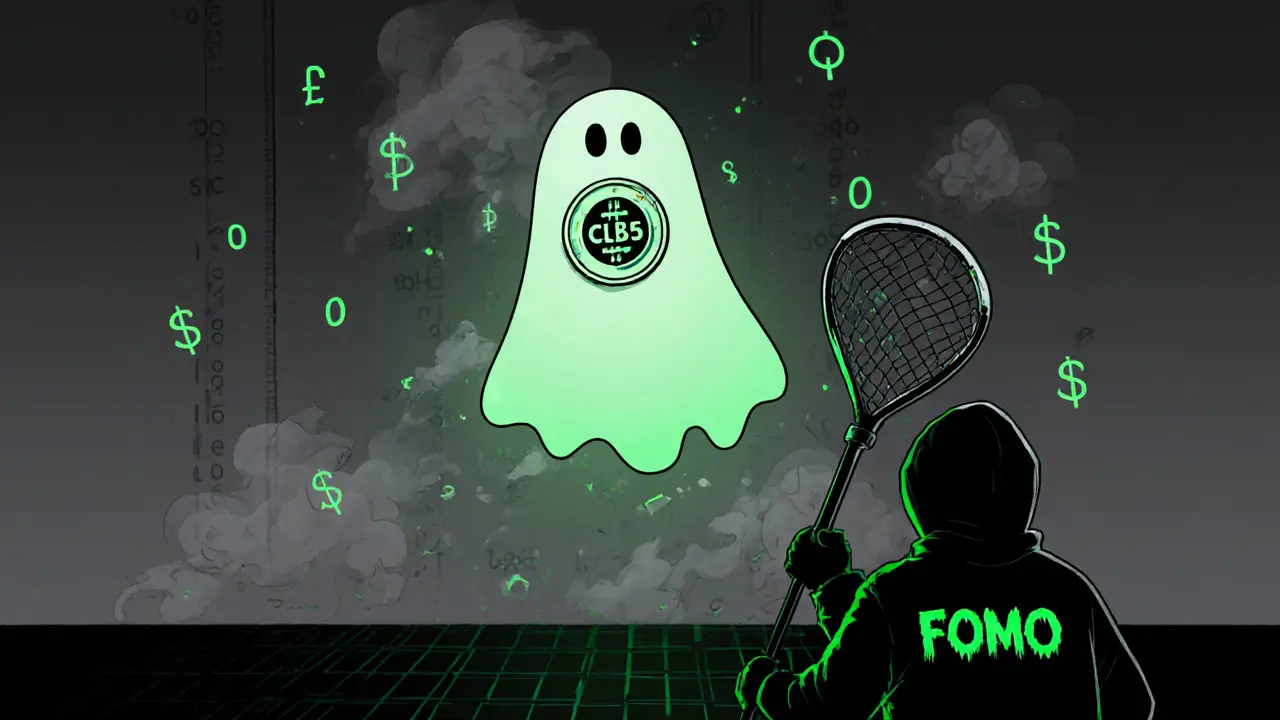
CFL 365 Finance: What It Is and Why It’s Not Real
When you hear CFL 365 Finance, a supposed crypto finance platform that promises high returns through automated trading and token rewards. It’s often promoted as the next big thing in decentralized finance—but it’s not real. There’s no whitepaper, no team, no blockchain activity, and no exchange listing. It’s a ghost project designed to trick people into giving up their private keys or paying fees for tokens that don’t exist. This isn’t an isolated case. Scammers use names like CFL 365 Finance to ride the wave of interest in crypto, banking on the fact that most people don’t check if a project is legitimate before jumping in.
These fake projects often borrow names from real ones, like Celo, a blockchain focused on mobile payments and stablecoins, or DeFi, a category of financial tools built on open blockchains, to sound more credible. They’ll post fake screenshots of trading dashboards, use AI-generated team photos, and even create fake YouTube videos showing "users" cashing out. But if you look deeper—check the contract address, search for audits, or search for any real community—you’ll find nothing. That’s because there’s nothing there to find.
What you will find in the posts below are real stories of projects that vanished, exchanges that got shut down, and airdrops that were never real. You’ll see how Upbit got hit with $34 billion in fines for not doing KYC, how TradeOgre was seized by Canadian authorities for operating without rules, and how fake tokens like Bulei and CovidToken have zero value and zero future. These aren’t hypotheticals—they’re lessons written in lost money. The same patterns you’ll see in those cases? They’re exactly how CFL 365 Finance tries to fool you. There’s no secret sauce. No hidden algorithm. No magic token. Just a well-designed lie.
If you’ve seen CFL 365 Finance pop up in a Telegram group, a TikTok ad, or a Twitter DM promising free tokens, you’re being targeted. The posts here will show you how to spot these tricks before you click, before you connect your wallet, and before you lose anything. You don’t need to be a tech expert. You just need to know what to look for—and what to walk away from.