CFL365 Token: What It Is, Why It’s Not Real, and How to Spot Fake Crypto Tokens
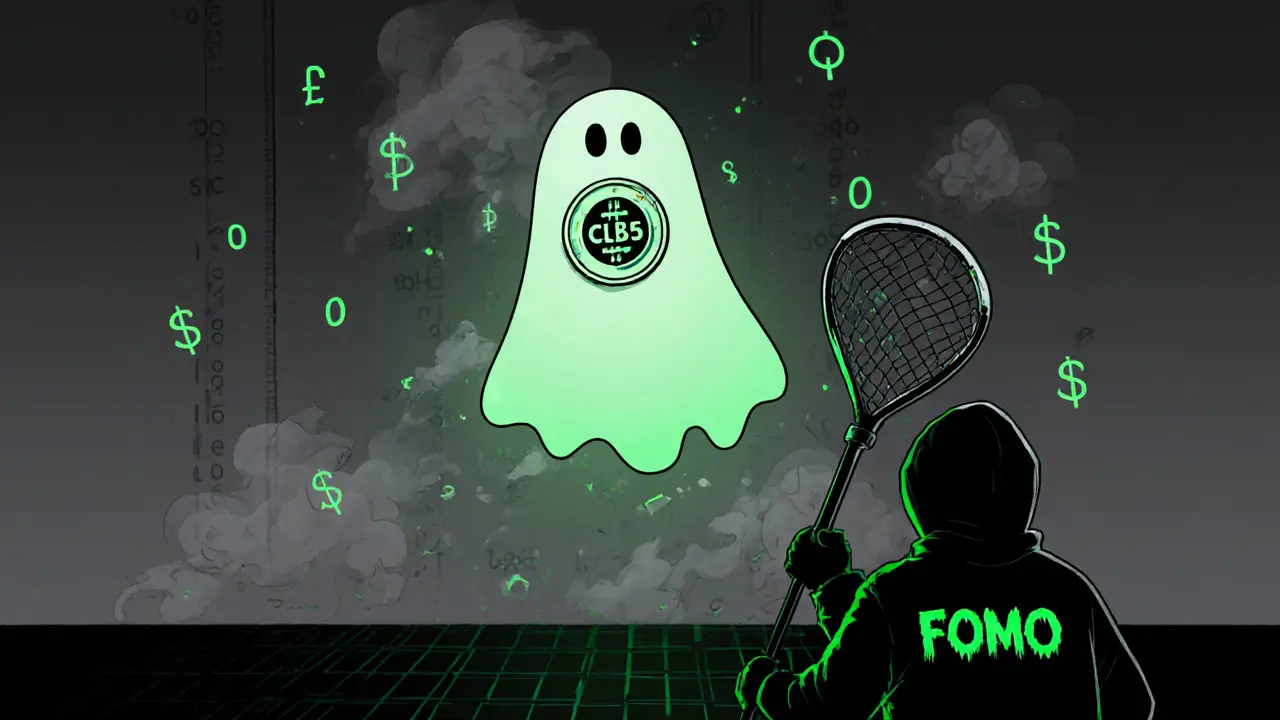
When you hear about CFL365 token, a supposed cryptocurrency with no public blockchain presence, no team, and no exchange listings. Also known as CFL365 coin, it’s one of dozens of fake tokens that pop up every month, promising quick riches but delivering nothing but losses. These tokens don’t exist on any major blockchain. No whitepaper. No GitHub. No team members you can verify. Just a website with flashy graphics and a link to a wallet address—designed to steal your funds before vanishing.
Scammers rely on one thing: confusion. They copy names from real projects, use similar logos, and flood social media with fake testimonials. You might see a post saying "CFL365 is dropping free tokens tomorrow!"—but if there’s no official website, no Twitter account with a blue check, and no mention on CoinMarketCap or CoinGecko, it’s a trap. Real tokens don’t need hype to exist. They’re built, audited, and listed. Fake ones rely on urgency and fear of missing out. Crypto scams, like the ones targeting CFL365 token seekers, often mimic real airdrops or IDOs. Also known as fake crypto giveaways, they ask you to connect your wallet, send a small amount of ETH or BNB, or enter your seed phrase—all to drain your account. The same pattern shows up in posts about CovidToken, HappyFans, and AnimeSwap—all gone, all scams.
What’s worse? These scams prey on people who are new to crypto. They make it look easy: "Just click here, connect your wallet, and get rich." But if the project can’t answer basic questions—like who built it, where it’s deployed, or why it exists—it’s not a project. It’s a hole. Real crypto projects have public records. They’re on Etherscan or BscScan. Their tokens have trading volume. Their teams have LinkedIn profiles. CFL365 has none of that. And if you search for it now, you won’t find credible news, audits, or community discussions—only copy-pasted forum posts and phishing links.
Every week, someone loses money to a token like this. The good news? You don’t have to be next. Before you touch any new token, check three things: Does it have a live blockchain explorer page? Is it listed on any trusted exchange? And is there a real team behind it? If the answer to any of those is no, walk away. The crypto space is full of real innovation—DeFi protocols, DePIN networks, and gaming tokens with actual users. You don’t need to chase ghosts. Below, you’ll find real examples of what fake tokens look like, how they’re built to trick you, and which crypto projects actually deliver on their promises.