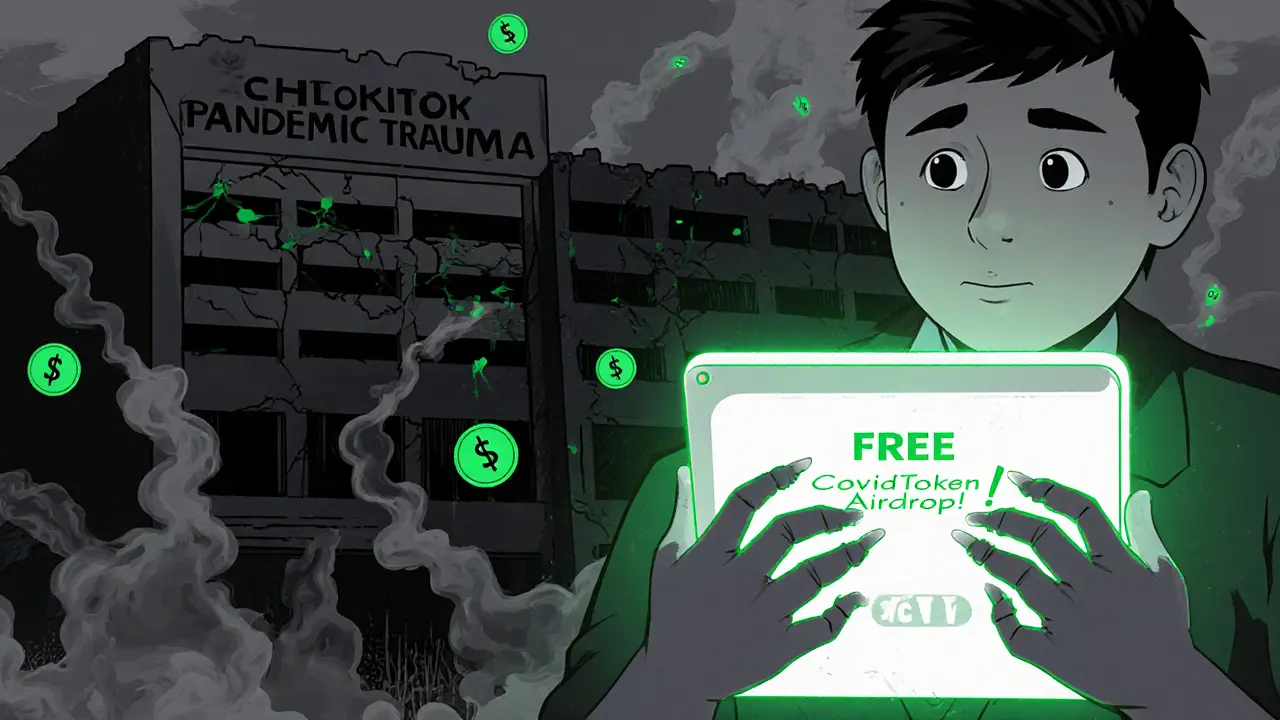
Covid Token Scam: How Fake Crypto Projects Prey on Pandemic Fear
When the world was locked down, scammers didn’t wait for the lockdowns to lift—they jumped on the fear. A Covid Token scam, a fraudulent cryptocurrency scheme that falsely claims to support pandemic relief or health initiatives. Also known as pandemic crypto fraud, it’s not just a bad idea—it’s a legal crime that stole millions from people trying to do the right thing. These scams used names like "CovidCoin," "Pandemic Relief Token," or "VaccineChain" to sound official. They promised you’d earn tokens just for sharing a post, or that buying their coin would fund hospitals. None of it was real. The tokens had no value, no team, no blockchain activity—just a fake website and a Discord channel full of bots.
These scams didn’t just rely on fake promises. They copied real crypto project layouts, used stolen logos, and even created fake press releases pretending to be from the WHO or CDC. They targeted people who were scared, isolated, or desperate for hope. And they worked—until the tokens crashed to zero and the websites vanished. The same patterns show up today in fake airdrops, fake exchange listings, and fake charity tokens. You’ll see them in posts like the ones below: HyperGraph’s non-existent HGT token, the fake AnimeSwap on Sui, or the zero-volume CFL365 "airdrop." All of them follow the same script: create urgency, hide identity, disappear with your money.
Real crypto doesn’t need a global crisis to sell itself. Legit projects have public teams, audited code, and active communities. They don’t ask you to send crypto to a wallet address to "claim" your reward. They don’t pressure you with countdown timers. And they definitely don’t use pandemic imagery to make you feel guilty for not participating. If a crypto project sounds too emotional to be true, it probably is. The Covid Token scam taught us one hard lesson: fear is the most powerful marketing tool scammers have. Don’t let it trick you.
Below, you’ll find real breakdowns of fake crypto projects that used the same tricks—some tied to health, others to travel, gaming, or even earthquakes. Each one shows how scammers twist real-world events into fake opportunities. Learn how to spot them before you lose money.