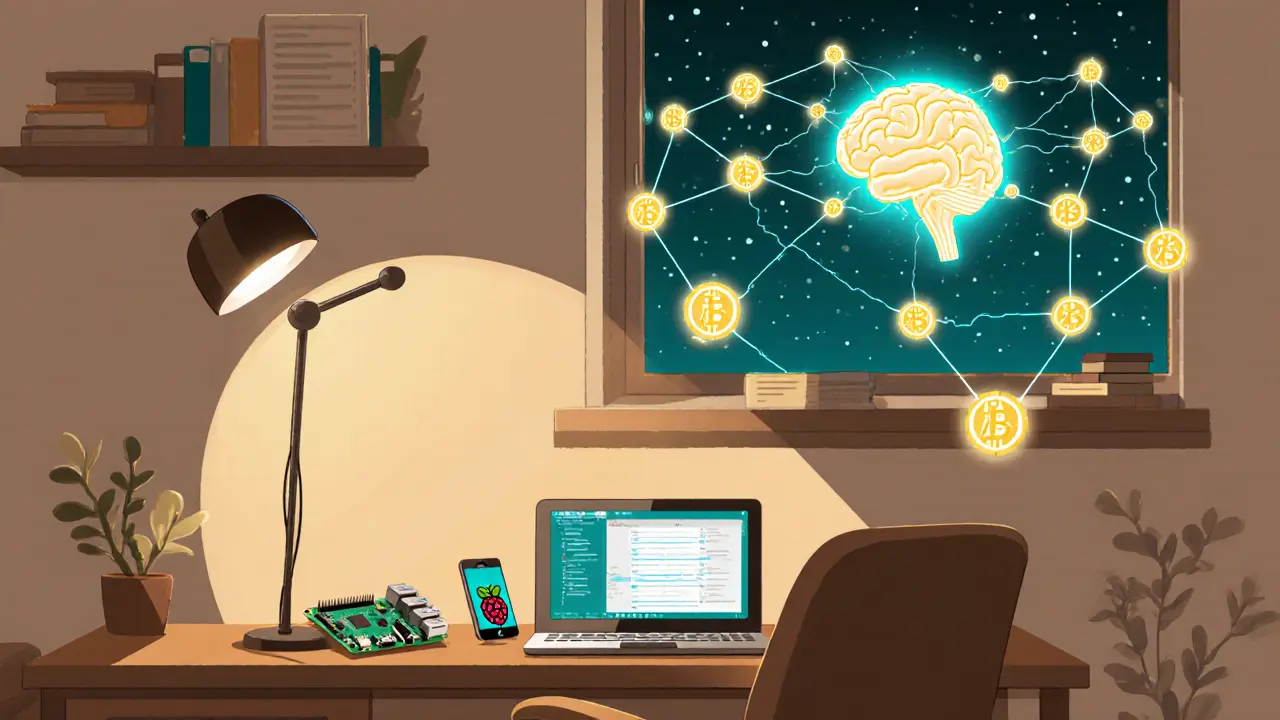
DePIN crypto: What it is, how it works, and why it’s changing blockchain
When you hear DePIN crypto, a model where physical infrastructure like Wi-Fi hotspots, cell towers, or solar panels is tokenized and run by users on a blockchain. Also known as decentralized physical infrastructure networks, it flips the script on how we build and pay for real-world tech. Instead of big companies owning and controlling networks, everyday people contribute hardware and earn crypto for their share of the network. It’s not theory—it’s already running in places like Los Angeles, where users earn tokens for sharing their home internet, or in rural Kenya, where solar-powered cell towers are funded by token holders.
DePIN crypto blockchain infrastructure, the backbone of networks that connect physical devices to decentralized systems relies on three things: hardware, incentives, and trustless software. You plug in a device—a router, a sensor, a miner—and it talks to a smart contract. That contract tracks usage, pays out tokens, and ensures no one can cheat the system. It’s the same logic behind staking or liquidity pools, but applied to real-world objects. tokenized hardware, physical devices whose usage is rewarded with cryptocurrency becomes a new kind of asset class. Think of it like owning a piece of a global Wi-Fi network instead of just paying a monthly bill to Verizon.
This isn’t just about money. DePIN crypto is about Web3 hardware, devices built to interact directly with blockchain protocols without middlemen replacing centralized control. In places with bad internet or unreliable power, DePIN projects let communities build their own infrastructure. In cities, they cut costs by using idle bandwidth or unused energy. But here’s the catch: most of the hype you see online is fake. You’ll find a dozen "DePIN airdrops" promising free tokens for signing up—but if there’s no real device, no working network, and no verifiable blockchain activity, it’s a scam. The same way you’d walk away from a fake crypto exchange, you should ignore any DePIN project that doesn’t show you live nodes, real users, or public data.
The posts below cut through the noise. You’ll find real breakdowns of projects that actually exist, like how a solar token rewards users for powering grid nodes, or how a Wi-Fi DePIN project tracks usage on-chain. You’ll also see how regulators are starting to look at these networks—because when you’re tokenizing physical infrastructure, you’re no longer just dealing with code. You’re dealing with real-world assets, liability, and compliance. Whether you’re looking to join a network, avoid scams, or just understand how your phone’s data could one day earn you crypto, the answers here are grounded in what’s real—not what’s trending.