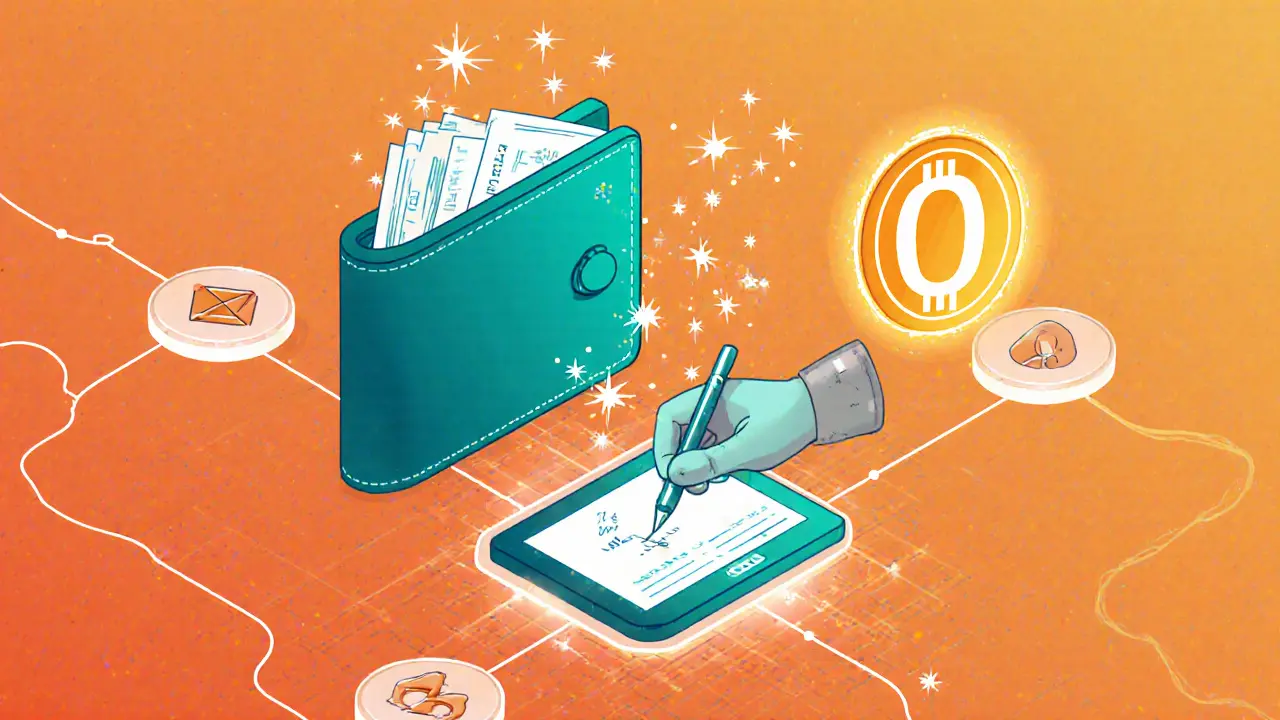
Gasless Crypto: How to Send Transactions Without Paying Gas Fees
When you send crypto, you usually pay a gas fee, a charge paid to miners or validators to process your transaction on a blockchain. Also known as transaction fee, it can spike during busy times—sometimes costing more than the crypto you’re sending. But gasless crypto, a system that lets users send transactions without paying fees upfront changes all that. It’s not magic—it’s smart contract design, sponsored transactions, and wallet-level innovations working together to remove the friction that keeps people out of Web3.
How does it actually work? Some platforms, like MetaMask, a popular crypto wallet that supports gasless transactions through partnerships with relayer networks, let developers pay the fee for you. Others, like Celo, a blockchain built for mobile users that natively supports gasless payments using stablecoins, let you pay fees in stablecoins instead of ETH. Then there are relayer services—third-party servers that submit your transaction on your behalf and get reimbursed later. This isn’t just for big projects. Even small NFT drops and DeFi apps are using gasless flows to onboard new users who don’t want to buy ETH just to send a token.
But gasless doesn’t mean free for everyone. The cost is often shifted—to the project owner, the wallet provider, or the network’s treasury. That’s why you’ll see gasless options mostly on apps trying to grow fast, not on mature chains like Ethereum mainnet. Still, it’s growing. Wallets like Safe, a multisig wallet designed for secure crypto management that supports gasless actions via gas stations, make it easy for users to interact with DeFi without holding native gas tokens. And for users, it’s simple: you sign a message, the system handles the rest, and you never see a gas prompt.
What you’ll find in the posts below isn’t a list of gasless wallets alone. It’s a real-world look at how blockchain projects are tackling fees, compliance, and adoption—sometimes successfully, sometimes not. You’ll see how Upbit got hit with $34 billion in fines for ignoring KYC, how TradeOgre was shut down for operating without oversight, and why fake airdrops like HyperGraph and CovidToken are just scams hiding in plain sight. These stories aren’t random. They’re all connected to the same problem: making crypto usable without breaking the rules or losing money. Whether it’s gasless transactions, DeFi risks, or exchange crackdowns, the goal is the same—remove barriers so real people can use blockchain, not just speculate on it.