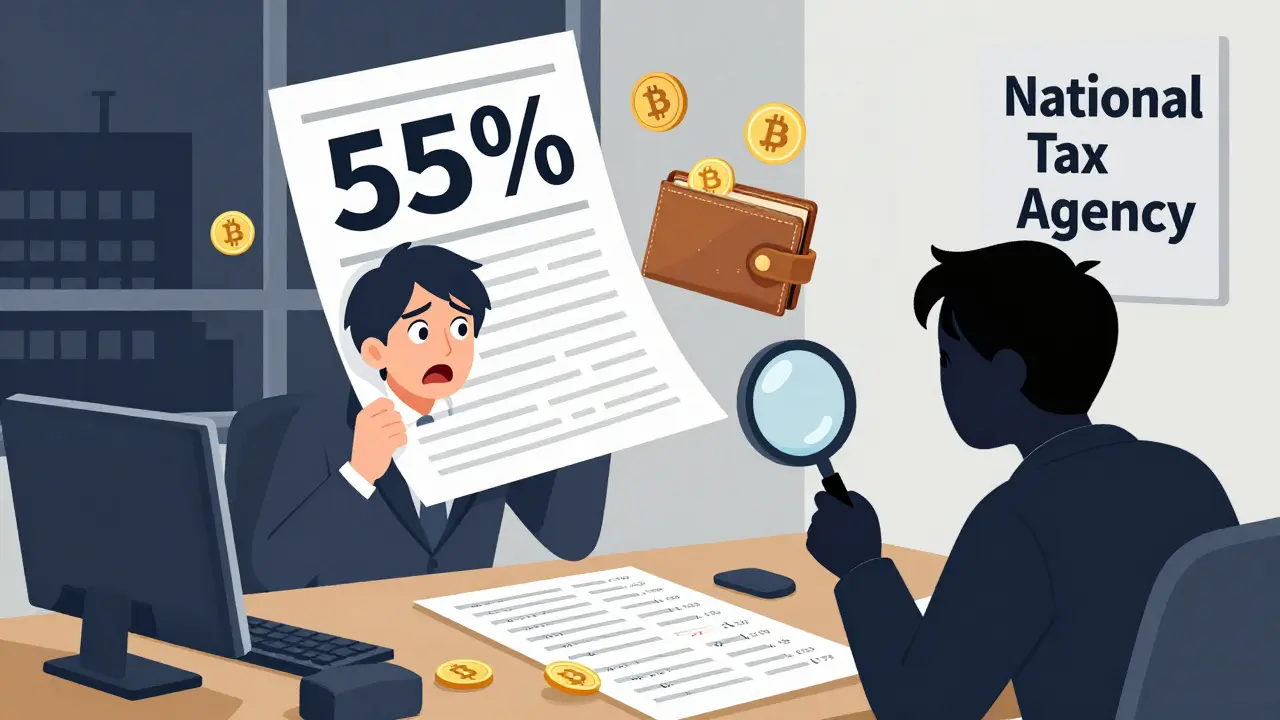
Japan Crypto Regulations: What You Need to Know in 2025
When it comes to Japan crypto regulations, a clear, government-backed framework that requires crypto exchanges to be licensed, hold user funds in cold storage, and pass strict audits. Also known as Japanese cryptocurrency rules, this system is designed to stop fraud, protect investors, and bring real legitimacy to digital assets. Unlike places where crypto is either banned or ignored, Japan treats it as a legal financial instrument—and that makes all the difference.
This system doesn’t just rely on one agency. The Financial Services Agency (FSA), Japan’s main financial regulator that oversees all crypto exchanges and enforces compliance under the Financial Instruments and Exchange Act (FIEA). Also known as Japan FSA, it’s the body that can shut down an exchange overnight if it breaks the rules. Then there’s the JVCEA, the Japan Virtual Currency Exchange Association, a self-regulatory group that reviews which tokens get listed on exchanges and ensures they’re not scams or useless tokens. Also known as JVCEA token review, it’s the gatekeeper that keeps junk coins off major platforms. Together, these two entities create a filter: only exchanges that meet high standards get licensed, and only tokens that pass scrutiny get traded.
It’s not just about rules—it’s about trust. In 2025, Japan’s crypto market is stable because users know their money is safe. Exchanges must store 95% of customer funds offline, submit quarterly audits, and report suspicious activity. If an exchange fails even one check, it loses its license. That’s why you won’t find random meme coins or shady DeFi platforms on Binance Japan or bitFlyer. The system works because it forces honesty.
But here’s what most people miss: Japan’s rules aren’t just about control—they’re about inclusion. The same laws that ban unlicensed platforms also make it easier for regular people to use crypto legally. You can pay taxes on gains, trade with yen, and even use crypto for everyday purchases through licensed partners. This isn’t a crackdown—it’s a cleanup.
What you’ll find in the posts below are real examples of how these rules play out: how exchanges get licensed, what happens when they fail, why some tokens get pulled, and how traders adapt. No fluff. No hype. Just what’s actually happening on the ground in Japan’s crypto scene in 2025.