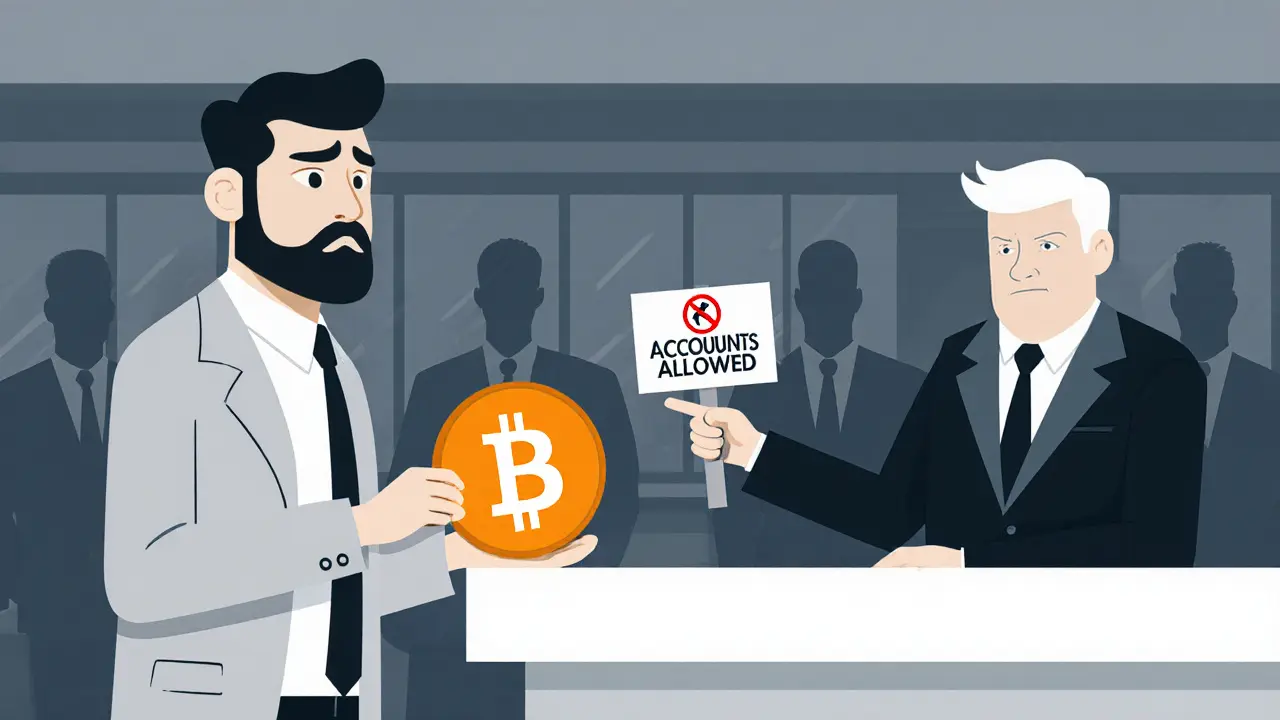
Legal Tender Crypto: What It Really Means and Why It Matters
When people talk about legal tender crypto, a cryptocurrency officially recognized by a government as valid for settling debts. Also known as state-backed digital currency, it’s not just another token—it’s money with the weight of law behind it. Most crypto projects claim to be the future of money, but only a few are treated like cash by governments. That’s the difference between a speculative asset and something you can legally use to pay your rent or taxes.
Legal tender crypto changes everything because it forces exchanges, wallets, and users to follow rules like KYC crypto, know-your-customer rules that verify your identity before you can trade and AML crypto, anti-money laundering checks that track suspicious transactions. South Korea’s $34 billion fine on Upbit wasn’t about hacking—it was about ignoring these rules. Canada’s seizure of $40 million from TradeOgre? Same story. These aren’t random crackdowns. They’re enforcement of what happens when crypto tries to act like money without accepting the responsibilities that come with it.
There’s a big gap between what crypto enthusiasts want and what regulators allow. You can trade meme coins like BULEI or SOVRN all day, but none of them are legal tender. Only projects that meet strict compliance standards—like central bank digital currencies (CBDCs) or coins integrated into regulated financial systems—get that status. Even then, adoption is slow. Most countries still treat Bitcoin and Ethereum as property, not cash. That’s why you can’t walk into a store and pay with ETH and expect it to be accepted without a converter. Legal tender crypto isn’t about popularity or price. It’s about trust, oversight, and legal recognition.
What you’ll find below are real stories of what happens when crypto runs into the law. From exchanges shut down for skipping KYC to airdrops that turn out to be scams because they pretend to be official, these posts show the line between innovation and illegality. If you’re holding crypto, you need to know where it stands—not just with traders, but with governments.