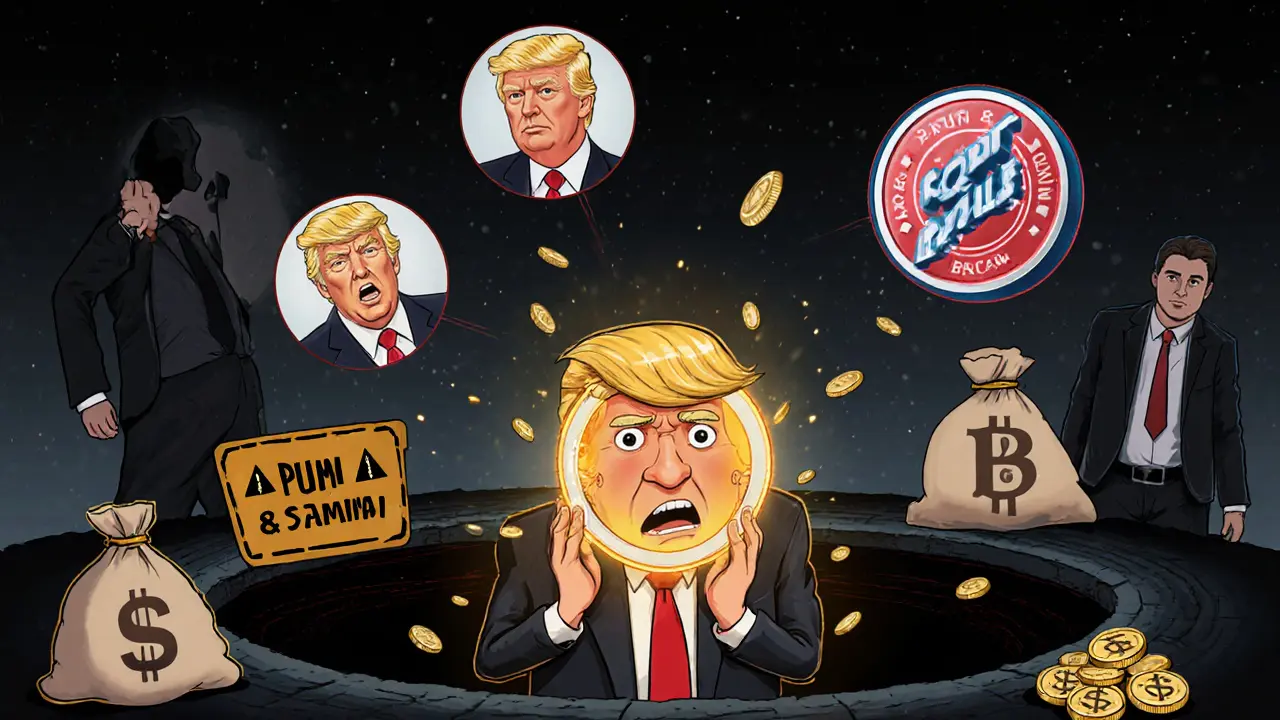
Meme Coin Scam: How to Spot Fake Crypto Projects and Avoid Losing Money
When you hear about a new meme coin scam, a fraudulent cryptocurrency project built on hype, not technology, often with no real team or purpose. Also known as pump-and-dump scheme, it lures people in with promises of quick riches—then vanishes with their money. These aren’t just shady side projects. They’re organized scams that use social media, fake influencers, and cloned websites to trick thousands. And they’re getting smarter.
Look at what’s happened in the last year. Projects like HyperGraph (HGT), a token that doesn’t exist on any blockchain or exchange claimed to have an airdrop. No website. No team. No whitepaper. Just a Telegram group full of bots. Same with CovidToken, a fake project that exploited pandemic fears to steal wallets. Then there’s LongBit, a fake crypto exchange pretending to be real, with zero reviews and no registration. These aren’t outliers—they’re the norm. Scammers don’t need to build a coin. They just need to make you believe one exists.
It’s not just about fake tokens. It’s about fake trust. You’ll see TikTok videos with people claiming they made $10,000 from a $100 investment in Bulei (BULEI), a meme coin with 420 billion tokens and zero trading volume. Or you’ll get a DM saying you’ve been selected for a BABY token airdrop, but the real airdrop ended years ago. The goal? Get you to connect your wallet, click a link, or send a small amount of ETH to "unlock" your reward. That’s when your funds disappear.
Real crypto projects don’t need hype machines. They have code on GitHub, audits from trusted firms, and listings on exchanges like KuCoin or Gate.io—not just a Discord server with 50,000 fake accounts. If a token’s name sounds like a joke (BULEI, COVIDT, TSUGT), and its website looks like it was made in Canva, it’s a scam. If the team is anonymous and the whitepaper is just a copy-paste from another project, walk away.
And don’t fall for the "limited time" trap. Scammers love urgency. "Only 100 spots left!" "Claim now or lose it forever!" Real airdrops don’t pressure you. They announce dates, list eligibility rules clearly, and never ask for your private key. If they do, it’s not an airdrop—it’s a theft.
What you’ll find below are real cases from 2025: the fake airdrops, the ghost exchanges, the meme coins that dropped to zero overnight. Each one shows you exactly how the scam works—and how to spot the next one before it hits your feed. You’re not just reading about scams. You’re learning how to protect your money.