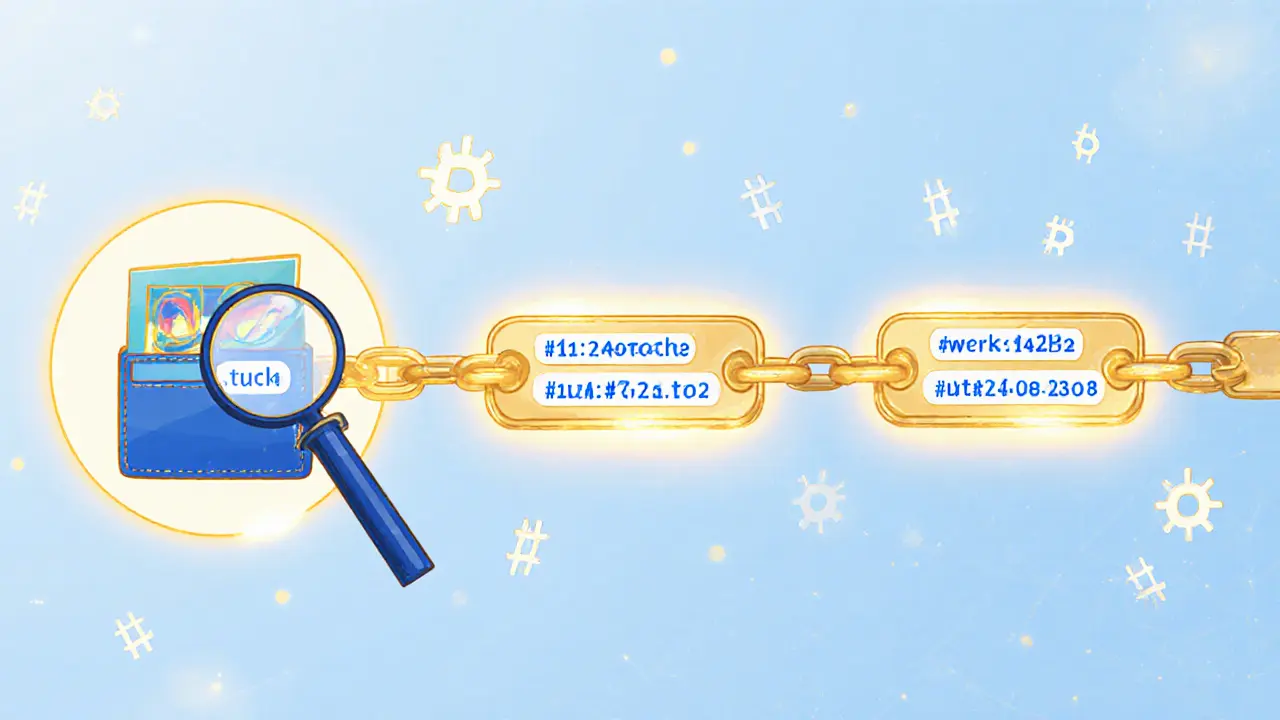
NFT Authenticity: How to Verify Real NFTs and Avoid Fakes
When you buy an NFT, a unique digital asset stored on a blockchain that proves ownership. Also known as non-fungible token, it’s supposed to give you real control over something digital—like art, music, or a profile picture. But not every NFT is what it claims to be. Many are copied, stolen, or entirely fake. Knowing NFT authenticity isn’t just about avoiding scams—it’s about understanding what ownership really means when no bank or company is holding the keys.
True digital ownership, the ability to control, sell, or transfer a digital item without permission from a central authority only exists when the NFT is tied to a verified smart contract on a public blockchain. That means the metadata, the image, and the history of who owned it before must all be recorded and unchangeable. If the NFT links to a file hosted on a private server that can disappear tomorrow, you don’t own it—you just have a link. Real NFTs use decentralized storage like IPFS, and their contracts are open for anyone to audit. Look at the contract address. Check the transaction history. If the creator’s wallet has sold dozens of similar NFTs with no verified project page, it’s likely a copy-paste job.
blockchain provenance, the complete, tamper-proof record of an NFT’s creation and ownership history is your best tool. Every time an NFT changes hands, it’s logged on the chain. Scammers try to hide this by minting fake versions or using stolen artwork. But if you trace the original minting event, you’ll often find the real creator’s wallet. Tools like OpenSea or Looksrare show this data, but don’t trust the platform’s label alone. Go deeper. Check the creator’s official social media. Did they announce the drop? Is the contract address listed there? If not, it’s probably not real. And if someone tells you an NFT is "rare" because only 10 exist—but the collection has 10,000 total—you’re being misled. Rarity doesn’t come from numbers alone. It comes from verified origin.
And don’t forget NFT verification, the process of confirming an NFT’s legitimacy through chain data, creator identity, and smart contract integrity. It’s not magic. It’s checking three things: who made it, where it lives, and whether the project is active. Fake NFTs thrive on distraction—flashy thumbnails, celebrity names, fake hype. Real ones don’t need the noise. They’re quiet, documented, and transparent. The posts below show you exactly how this plays out in the wild: from scams pretending to be official drops, to projects that vanished overnight, to real digital ownership that actually works. You’ll see how people lost money by skipping the basics—and how others stayed safe by asking the right questions.