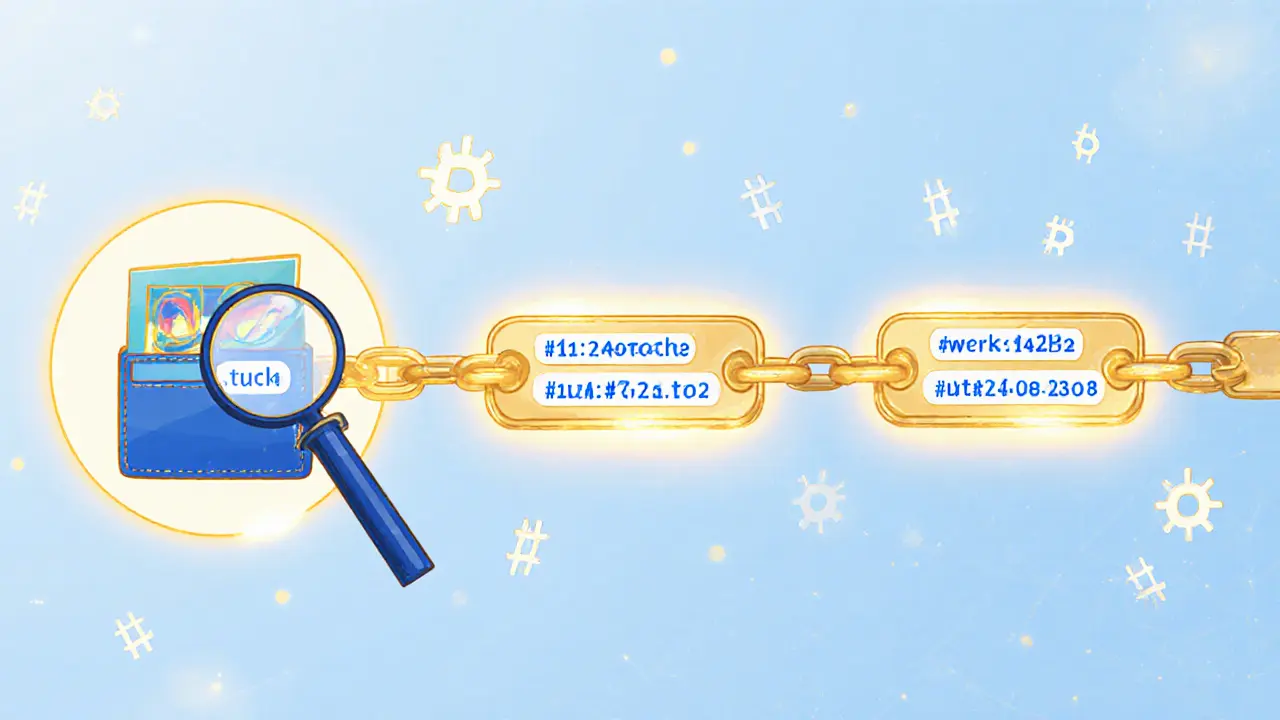
NFT Minting: What It Really Means and How to Avoid Scams
When you hear NFT minting, the process of creating a unique digital asset on a blockchain that proves ownership. Also known as tokenizing digital art, it’s not just about buying a picture—it’s about claiming real control over something that used to be copy-pasteable. This isn’t magic. It’s code. Every NFT you mint is tied to a smart contract that records who owns it, who created it, and when it changed hands. No middleman. No server you can’t access. Just a public ledger that says, "This is yours."
But here’s the catch: most NFT minting you see online isn’t about ownership—it’s about hype. Scammers copy popular art, fake project websites, and run countdowns to "limited drops" that vanish after you pay gas fees. Real NFT minting happens on verified platforms like OpenSea, Blur, or Magic Eden, with clear project docs, team names, and on-chain history. Fake ones? No GitHub, no Twitter replies, no community—just a button that says "Mint Now" and a wallet address that eats your ETH.
That’s why the posts below don’t just talk about minting. They show you what happens after: how digital ownership works on blockchain, why some NFT projects collapse overnight, and how to tell the difference between a real asset and a phishing trap. You’ll see how NFTs connect to real-world use cases like gaming tokens, travel rewards, and even decentralized social media. And you’ll learn why most "free NFT airdrops" are just scams dressed up as giveaways.
Some of these projects started with big promises—like gaming NFTs tied to anime or football stars—but ended up with 99% price drops and empty wallets. Others? They never even launched. This collection cuts through the noise. You won’t find fluff here. Just straight answers on what NFT minting actually does, who it’s for, and how to protect your money when the next hype wave hits.