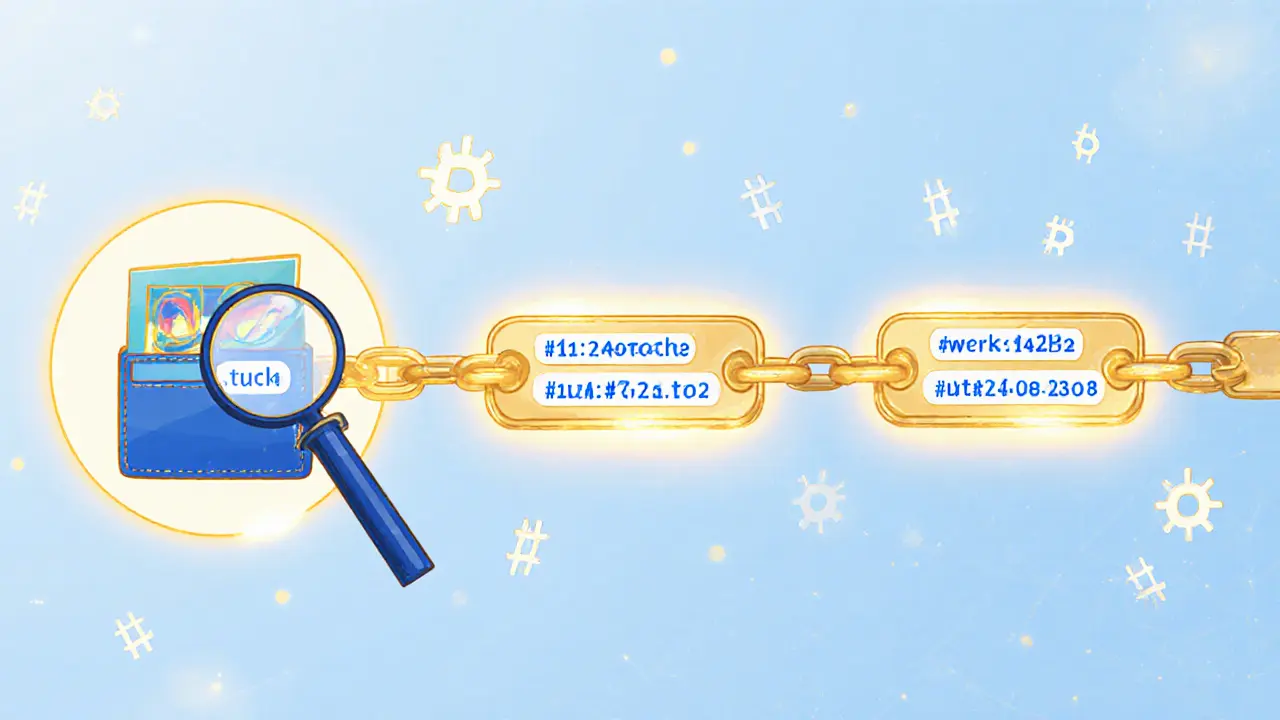
NFT Provenance: Track Real Ownership on the Blockchain
When you buy an NFT, you’re not just buying a picture—you’re buying a verifiable chain of ownership. That’s NFT provenance, the complete, tamper-proof record of every owner, transaction, and transfer of a digital asset on the blockchain. Also known as digital ownership history, it’s what turns a copy into a collectible and a scam into a secure asset. Without it, your NFT is just a file with a fancy label. With it, you know exactly who made it, who owned it before you, and whether it’s been stolen or faked.
NFT provenance works because every trade, sale, or transfer gets locked into the blockchain as a permanent, public record. If a CryptoPunk sold for $10 million, you can see every single hand it passed through—from the original creator to the last buyer. That’s not marketing. That’s math. And it’s why platforms like OpenSea and SuperRare show transaction histories next to every NFT. This transparency doesn’t just build trust—it kills fraud. Fake NFTs can’t fake their past. If an NFT has no history, or if the history skips years, it’s a red flag. Real NFTs have a trail.
Provenance also affects value. Think of it like a car’s service log. A vintage Porsche with full maintenance records is worth more than one with no paper trail. Same with NFTs. A Bored Ape with a clean history from the original mint, no wallet jumps, and no shady resales? That’s the one collectors want. And when a project like CryptoPunks or Art Blocks shows full provenance, it turns buyers into believers. Even if the price drops, the proof stays. That’s real digital ownership.
But provenance isn’t just about money. It’s about control. When you own an NFT with verified provenance, you own the rights—not a company, not an app, not a server. You own the chain. That’s why NFTs tied to real-world assets—like music rights, event tickets, or even real estate deeds—are starting to use blockchain provenance to replace old paper systems. No middlemen. No lost files. Just a clear, unbreakable record.
Below, you’ll find real-world examples of how provenance stops scams, validates rarity, and protects your assets. Some posts show how fake NFTs fail the test. Others reveal how real projects use history to build trust. No theory. No fluff. Just what works—and what doesn’t—in the wild world of digital ownership.