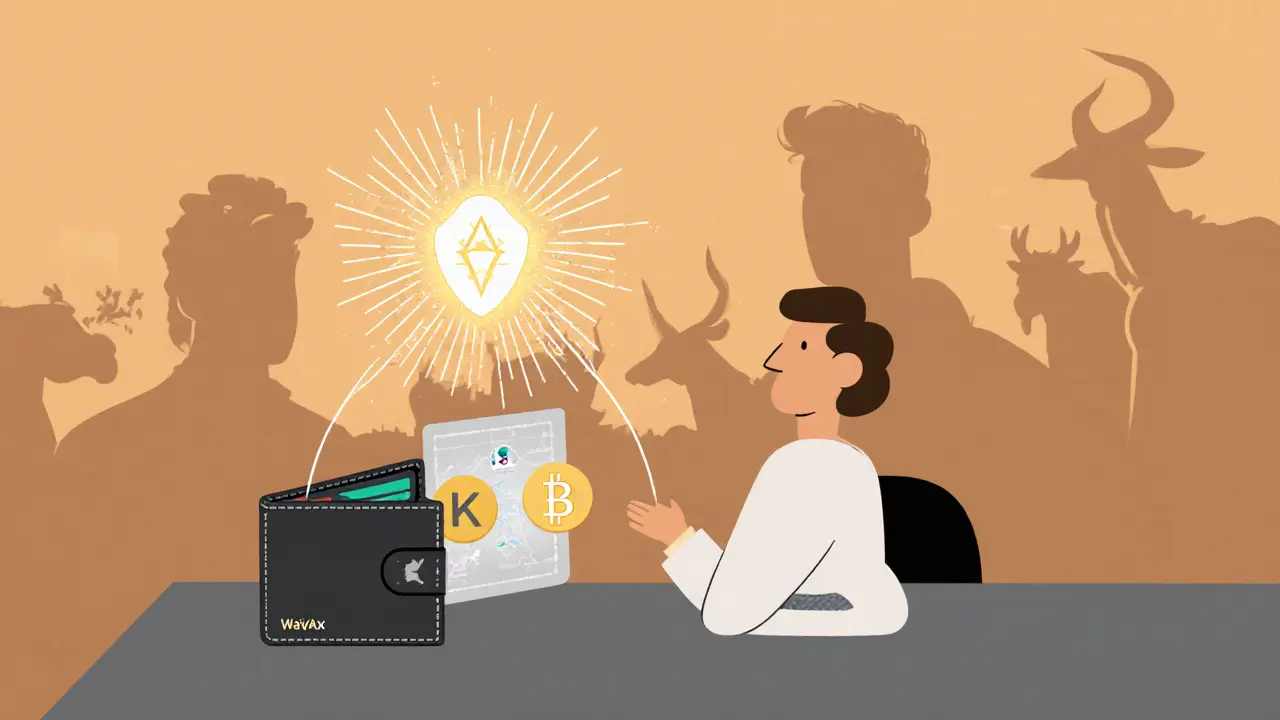
Non-Custodial Exchange: What It Is and Why It Matters for Your Crypto
When you use a non-custodial exchange, a platform where you hold your own private keys and control your crypto directly. Also known as a decentralized exchange, it removes the middleman—no company holds your funds, no one can freeze your account, and no one can lose your coins because they got hacked. This is the opposite of traditional exchanges like Upbit or Poloniex, where you hand over control to them. If they get shut down, get hacked, or change their rules, your money is at risk. With a non-custodial exchange, your crypto stays in your wallet—period.
That’s why self-custody, the practice of keeping your own private keys without relying on third parties is the backbone of real blockchain ownership. It’s not just about security—it’s about freedom. You don’t need permission to trade, withdraw, or send. You don’t have to wait for KYC approval or deal with account limits. Platforms like Shadow Exchange on Sonic or Libre crypto exchange let you trade directly from your wallet, with no identity checks and no middlemen. But this power comes with responsibility. If you lose your key, your coins are gone forever. There’s no customer service to call.
That’s also why crypto security, the set of practices that protect your digital assets from theft, scams, and user error matters more than ever. Fake exchanges like LongBit or AnimeSwap pretend to be non-custodial to trick you into handing over your keys. Real ones don’t ask for passwords or seed phrases. They let you connect your wallet and trade from there. You’ll also see this theme in posts about impermanent loss on DEXs or slashing penalties in staking—because when you’re in control, you’re also on your own for the risks.
What you’ll find below isn’t just a list of articles. It’s a real-world look at what happens when exchanges get shut down by regulators (TradeOgre), when platforms pretend to be decentralized (LongBit), or when users think they’re safe but aren’t. You’ll learn how to spot the difference between a true non-custodial exchange and a scam that just says it is. You’ll see why even the fastest, cheapest DEXes like Shadow Exchange still carry risks—and how to protect yourself. This isn’t theory. It’s what’s happening right now in crypto, and you need to know how to navigate it without losing your money.