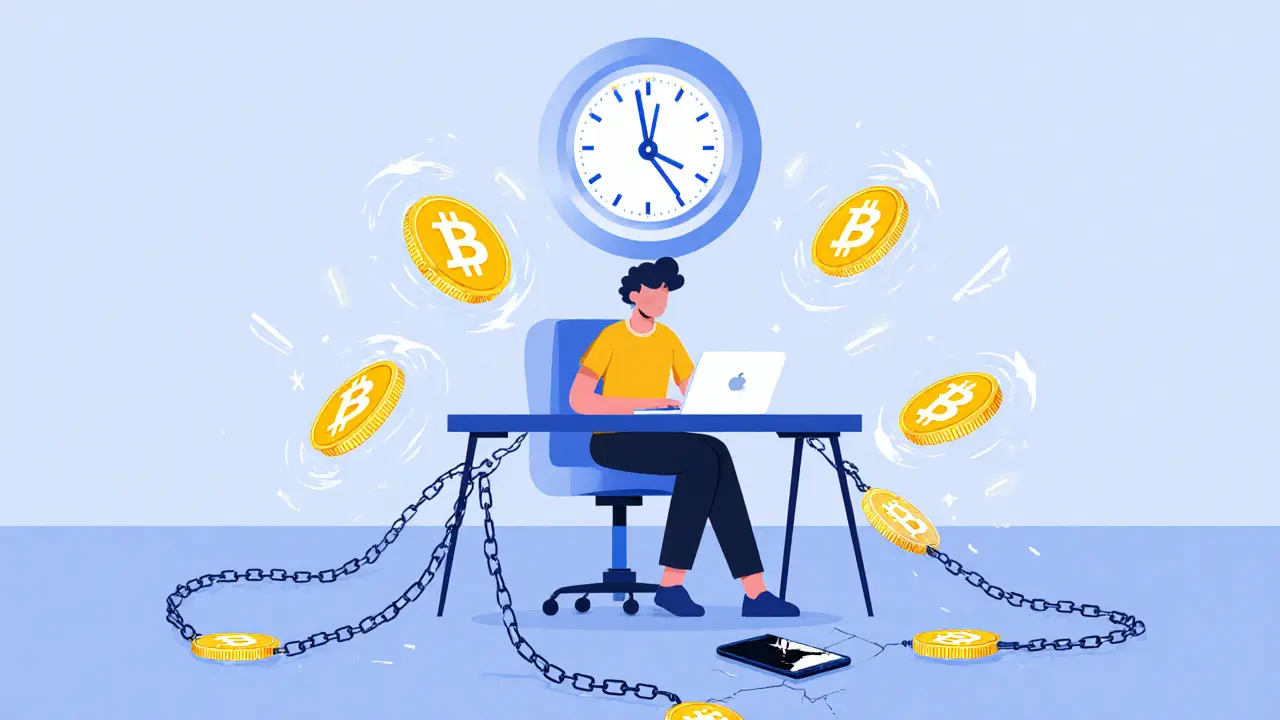
State Channels: Faster, Cheaper Crypto Transactions Without the Blockchain
When you send crypto on Ethereum or Bitcoin, you’re waiting minutes for confirmation and paying fees that can spike overnight. State channels, a layer 2 scaling solution that lets users conduct multiple transactions off-chain before settling one final state on the blockchain. Also known as payment channels, they’re the quiet backbone behind apps that need instant, low-cost transfers—like gaming, micropayments, and DeFi trading. Think of them like a private conversation between two people who only call the police (the blockchain) when they need to settle a final bill.
State channels work by locking funds in a smart contract, then letting users sign and exchange updates—like a game of chess where each move is recorded but only the final board matters. This cuts blockchain load dramatically. You could send 100 payments in seconds, pay pennies in fees, and never touch the main chain until you’re done. That’s why projects like Lightning Network for Bitcoin and Raiden for Ethereum built their entire models on this idea. It’s not magic—it’s math and cryptography. And it’s already solving real problems: from paying for coffee with crypto to playing turn-based games without waiting for blocks.
But state channels aren’t for everyone. They work best between two parties who trust each other enough to lock funds and stay online. If one person goes offline, the channel can freeze. That’s why they’re not used for open marketplaces or random peer-to-peer payments. Instead, they shine in repeat-use cases: streaming payments to a freelancer, in-game item trades, or even automated IoT device micropayments. And while they’re not as flashy as rollups or sidechains, they’re often the most efficient way to scale when you know who you’re transacting with.
What you’ll find below are real-world examples of how state channels and related technologies are being used—or misused. From hidden layer 2 solutions in DeFi apps to scams pretending to offer "instant crypto channels," this collection cuts through the noise. You’ll learn what works, what’s fake, and how to spot the difference. No hype. Just what you need to know to use crypto without paying $50 in gas fees just to send $5.