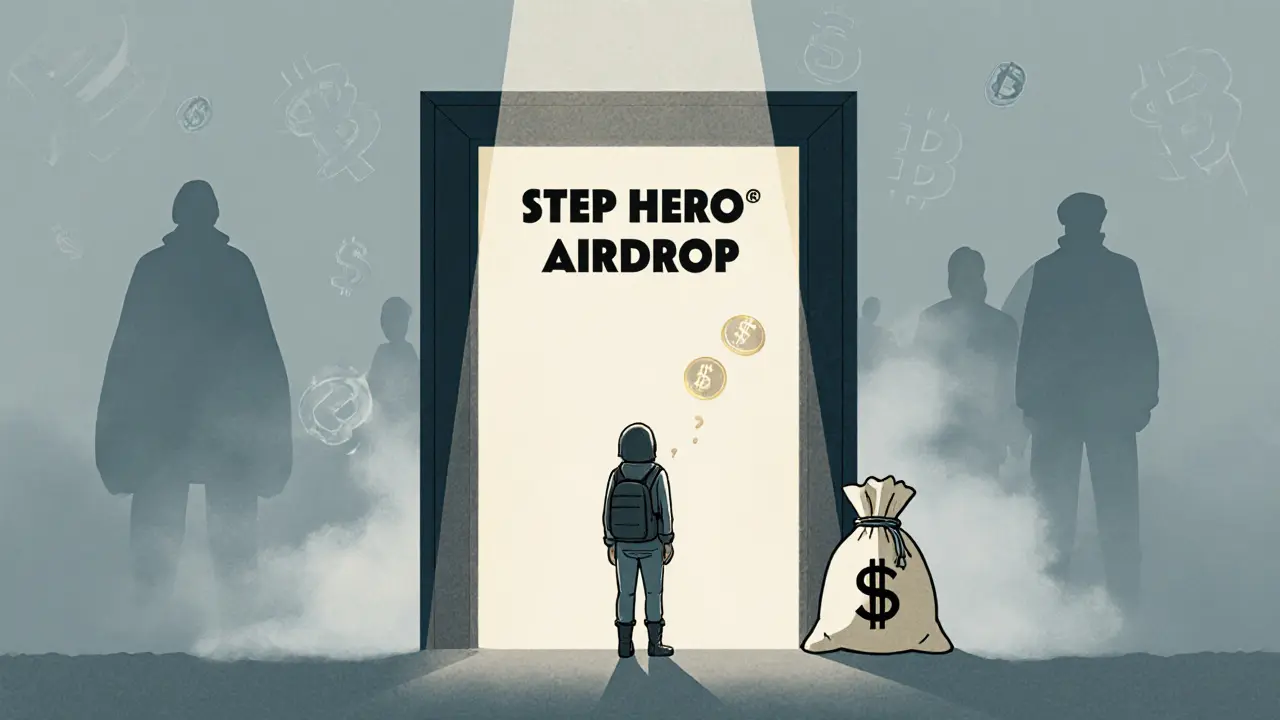
Step Hero campaign: What It Is and Why It’s Not Real
When you hear about the Step Hero campaign, a fraudulent blockchain reward scheme that pretends to pay users for walking or completing tasks. Also known as Step Hero airdrop, it’s one of many fake crypto projects designed to steal your wallet info or trick you into paying gas fees. There’s no official website, no blockchain activity, no team, and no token—just social media posts and Telegram groups pushing fake screenshots of earnings.
This isn’t an isolated case. The crypto airdrop scam, a tactic used to lure users into giving away private keys or paying upfront fees under false promises of free tokens has exploded in recent years. Projects like CovidToken, HyperGraph (HGT), and AnimeSwap follow the exact same playbook: create buzz with fake partnerships, use celebrity impersonations, and vanish after collecting thousands of wallets. The fake blockchain reward, a deceptive claim that you can earn cryptocurrency just by existing or performing simple actions preys on hope—not technology. Real rewards, like TripCandy’s CANDY token or Koii’s KOII, require actual usage, contribution, or engagement. They don’t ask you to connect your wallet before you’ve even seen a whitepaper.
What makes the Step Hero campaign dangerous isn’t just the lost money—it’s how it trains people to ignore red flags. If you’ve fallen for this, you’re not alone. Scammers target beginners because they’re excited, not skeptical. But every real crypto project, from Moola Market to Shadow Exchange, has public records, audits, and verifiable teams. The crypto fraud, a deliberate deception to gain access to digital assets through false promises or phishing thrives on silence. The more people talk about how these scams work, the harder they are to pull off.
Below, you’ll find real breakdowns of similar scams, how they’re built, who’s behind them, and how to protect yourself. No fluff. No hype. Just facts.