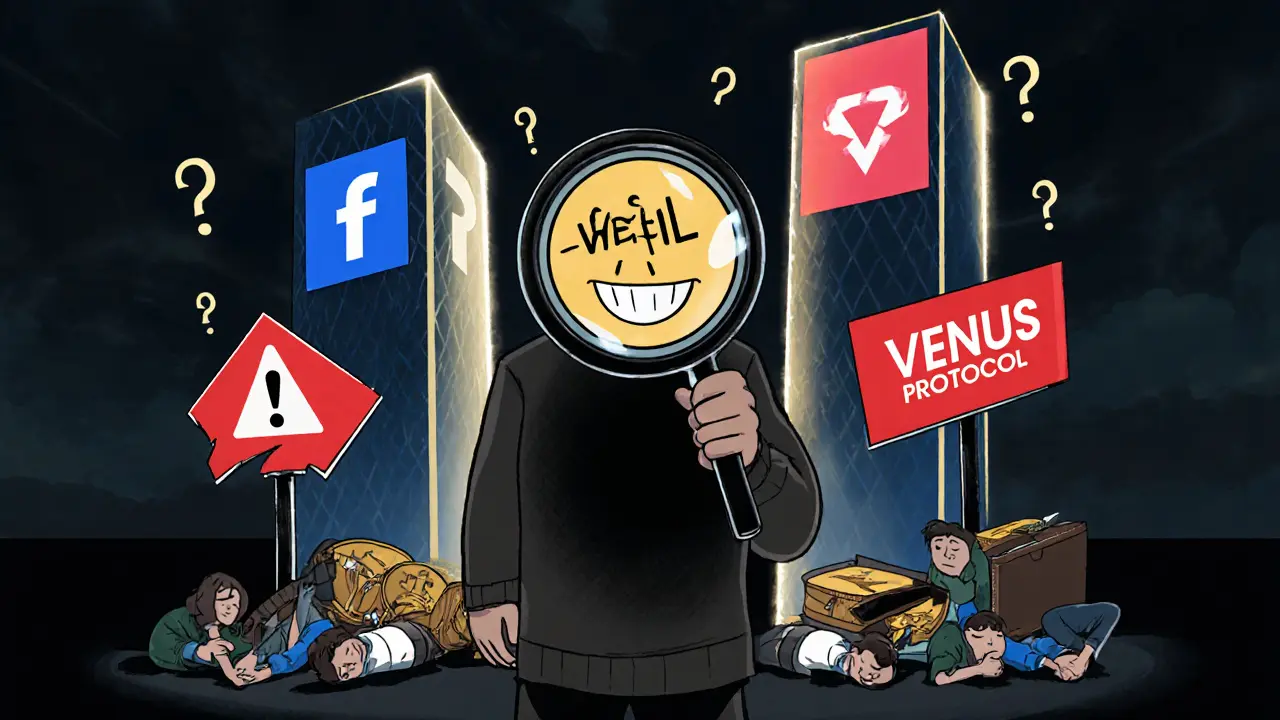
vFIL scam: How to Spot Fake Filecoin Airdrops and Avoid Crypto Scams
When you hear about a vFIL, a fake token pretending to be related to Filecoin. Also known as vFIL token, it has no connection to the real Filecoin network. There is no such thing as vFIL. It’s a scam created to trick people into connecting their wallets, sending crypto, or handing over private keys. These fake tokens often use names that sound official—like vFIL, pFIL, or fFIL—to look like they’re part of the real Filecoin ecosystem. But Filecoin itself, the blockchain project behind decentralized storage, has never launched a token called vFIL. If someone tells you otherwise, they’re lying.
Scammers love to piggyback on real projects. Filecoin has real value, real users, and real activity on its blockchain. That’s why fraudsters copy its name. They create fake websites, fake Twitter accounts, and fake Telegram groups that look legit. They promise free tokens, big rewards, or early access. All they want is for you to click a link, approve a transaction, or enter your seed phrase. Once you do, your crypto is gone—no refunds, no recovery. These scams don’t just target new users. Even experienced traders have lost thousands thinking they were joining a real airdrop. The same pattern shows up in other scams: CovidToken, LongBit, AnimeSwap. All fake. All designed to look real.
Real airdrops don’t ask for your private key. They don’t require you to send crypto first. They don’t rush you with fake countdowns or limited-time offers. If it sounds too good to be true, it is. You can check Filecoin’s official site, their GitHub, or their verified social channels. No real project hides behind a Discord DM or a sketchy Medium post. And if you see vFIL listed on any exchange, it’s a rug pull waiting to happen. Even if the price spikes for a few hours, it’s just pump-and-dump noise. Real tokens don’t vanish overnight because a bot pushed the price up.
These scams thrive because people want to believe they’ve found a shortcut. But crypto isn’t about luck—it’s about verification. Always check the source. Always double-check the contract address. Always ask: Who is behind this? What’s the real use case? Why hasn’t anyone heard of this before? If you can’t answer those questions, walk away. The vFIL scam isn’t an exception—it’s the rule. And if you learn how to spot it, you’ll avoid dozens of similar traps.
Below, you’ll find real examples of crypto scams that look just like vFIL—fake airdrops, fake exchanges, fake tokens. Each one follows the same playbook. You won’t find any vFIL here because it doesn’t exist. But you will find what to look for next time someone tries to trick you.