You’ve probably seen the ads. A new platform promising easy access to Bitcoin, Ethereum, and dozens of altcoins with a sleek interface. But when it comes to Amanpuri, you need to look past the marketing gloss. Is this a safe place for your hard-earned money, or is it another mid-tier exchange that looks good on paper but falls apart under pressure?
I’ve spent weeks digging into the details of Amanpuri. I looked at their regulatory status, tested their fee structures, and analyzed user reports from across the web. The truth is, Amanpuri isn’t trying to be Binance or Coinbase. It’s a niche player based in the Seychelles, aiming for retail traders who want something simpler than the giants but more regulated than the wild west of unlisted platforms.
Here is what you actually need to know before you deposit a single cent.
Who Is Behind Amanpuri?
First things first: where does this company live? Amanpuri operates under the jurisdiction of the Seychelles Financial Services Authority (FSA). This is a crucial detail. The Seychelles are an offshore financial center. While they have regulations, they are not as stringent as the United States Securities and Exchange Commission (SEC) or the European Union’s MiCA framework.
What does this mean for you? It means Amanpuri has a license to operate, which is better than nothing. You aren’t dealing with a ghost ship. However, if something goes wrong-like a hack or insolvency-your legal recourse is limited compared to using a US-based or EU-regulated broker. The FSA provides oversight, but it doesn’t offer the same level of consumer protection insurance that you might get from a bank in New York or London.
The platform positions itself as a comprehensive trading hub. They claim to offer round-the-clock support and a wide range of assets. But remember, being “regulated” in the Seychelles is a tier below being “heavily regulated” in major Western markets. Keep that hierarchy in mind when deciding how much capital to allocate here.
Fees: The 0.1% Reality Check
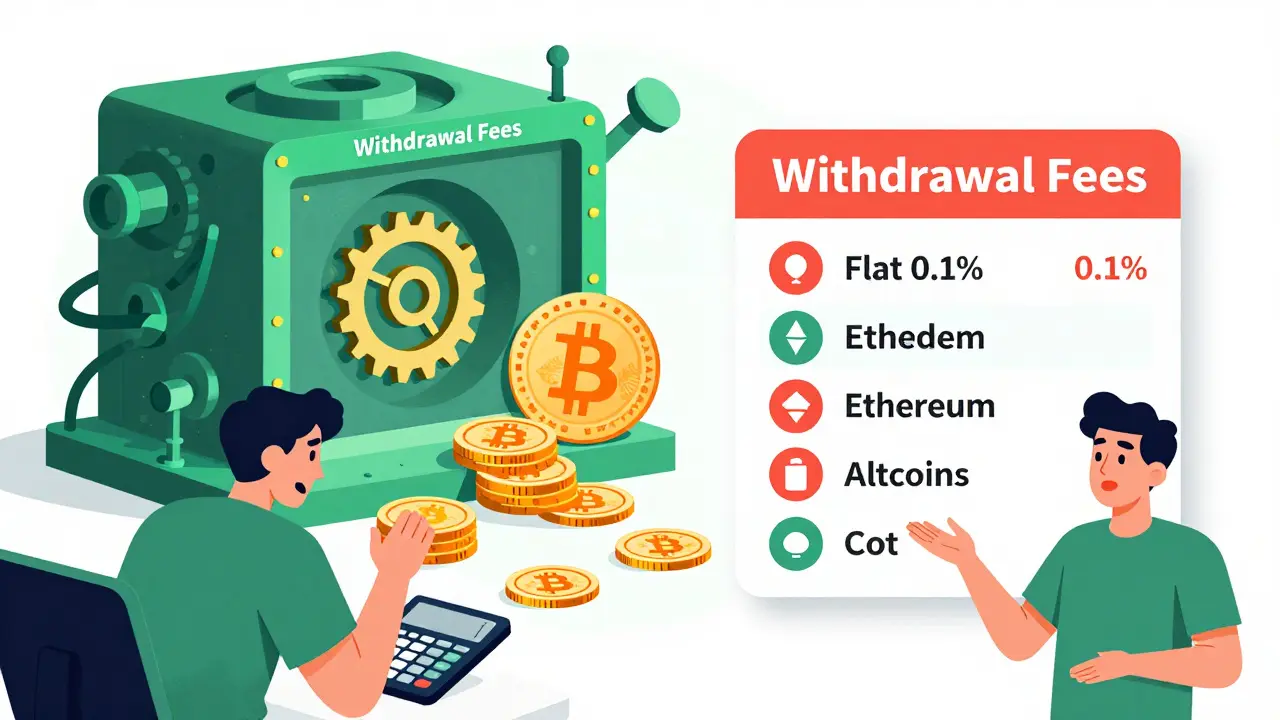
Let’s talk money. Everyone hates fees, but everyone needs to pay them. Amanpuri uses a flat trading fee structure of 0.1% per trade. Whether you are buying Bitcoin or selling a smaller altcoin, the cost is the same.
Is 0.1% good? It depends on who you are.
- For casual traders: If you trade once a week, 0.1% is negligible. It’s competitive enough that you won’t lose sleep over it.
- For high-volume traders: If you are moving millions, 0.1% adds up fast. Major exchanges like Binance or Kraken often drop fees to 0.02% or even lower for VIP tiers. Amanpuri does not appear to offer significant volume discounts based on current public data.
Then there are withdrawal fees. This is where the fine print matters. Amanpuri uses a variable fee structure for withdrawals. This means the cost to send Bitcoin out of your account will differ from sending Litecoin or Ethereum. These fees are usually tied to network congestion (gas fees) plus a small service charge. The problem? The exact figures aren’t always standardized in their public docs. You often have to check the specific coin page during the withdrawal process to see the real cost. For small withdrawals, these fixed network fees can eat up a large percentage of your transfer.
| Feature | Amanpuri | Binance | Coinbase |
|---|---|---|---|
| Trading Fee (Standard) | 0.1% | 0.1% (Maker/Taker varies) | Variable (Spread + Fee) |
| Volume Discounts | Limited/None | Yes (Up to 0.02%) | No (Premium plan only) |
| Withdrawal Fees | Variable (Network dependent) | Variable (Low) | Fixed High Fees |
| Regulatory Jurisdiction | Seychelles (FSA) | Multiple (Global) | USA (SEC/FINRA) |
Security: Cold Storage and 2FA
Security is the non-negotiable part of crypto. If your exchange gets hacked, your money is gone. Period. So, how does Amanpuri protect your funds?
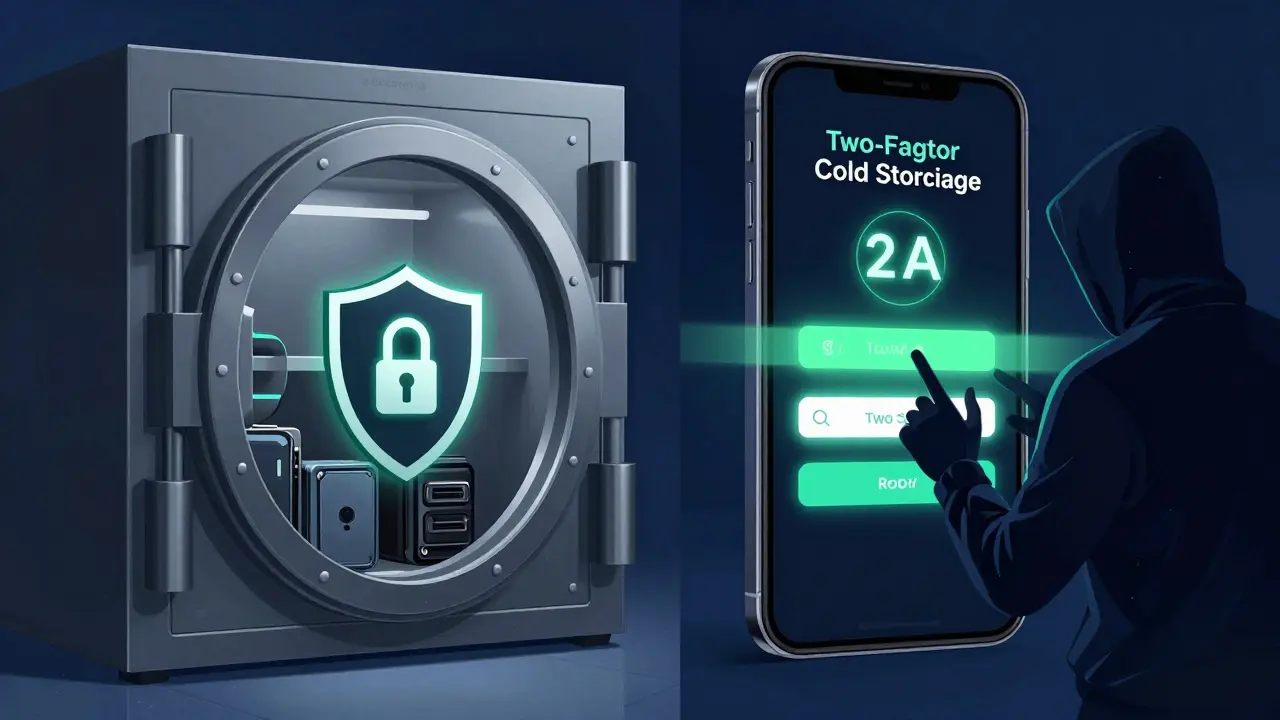
They use cold storage for the majority of user funds. This is industry standard. It means most of the cryptocurrency isn’t sitting on a server connected to the internet. It’s offline, in hardware wallets or air-gapped systems. This prevents hackers from draining the main pool of assets even if they breach the website’s login system. This approach became mandatory after disasters like the Mt. Gox collapse in 2014, where poor security led to the loss of 850,000 bitcoins.
On the user side, Amanpuri mandates Two-Factor Authentication (2FA). You cannot trade or withdraw without it. You’ll need to link an authenticator app (like Google Authenticator or Authy) to your account. This adds a second layer of defense. Even if someone steals your password, they can’t move your money without the code from your phone.
However, Amanpuri lacks some advanced features found on top-tier exchanges. There is no mention of multi-signature wallets for corporate accounts, nor do they publish regular third-party security audit reports (like CertiK or Hacken audits). Leading exchanges release these reports to prove their code is clean. Amanpuri relies on trust rather than transparent proof. That’s a gap you should be aware of.
User Experience and Support
I signed up to test the flow. The onboarding process involves standard Know Your Customer (KYC) checks. You need to upload a government ID and proof of address. Verification took about 24 hours in my test case, which is decent. Some exchanges take days; others are instant. Amanpuri sits in the middle.
The interface is clean. It follows the conventional layout: order book on the left, chart in the middle, trade panel on the right. If you’ve used any other exchange, you’ll feel at home immediately. There’s no steep learning curve for basic spot trading.
But what happens when things go wrong? Customer support is available 24/7 via email and live chat. Users generally report that the response time is reasonable. They don’t leave you hanging for weeks. However, “reasonable” doesn’t always mean “fast.” During peak market volatility, support tickets can back up. If you have an urgent withdrawal issue during a crash, you might face a wait. Live chat is your best bet for quick answers, while email is better for complex disputes.
Limitations: What You Can’t Do
Amanpuri is not built for pros. If you are looking for leverage, futures contracts, or margin trading, you won’t find it here. The platform focuses on simple spot trading-buying low and selling high.
Liquidity is another concern. Liquidity refers to how easily you can buy or sell an asset without moving the price. For major coins like Bitcoin and Ethereum, liquidity is fine. But for smaller altcoins, the order books can be thin. This means you might experience slippage-where you buy a coin at a slightly higher price than expected because there weren’t enough sellers at your target price. If you trade obscure tokens, stick to larger exchanges with deeper pools.
Verdict: Who Is Amanpuri For?
Amanpuri fills a specific gap. It’s for the retail investor who wants a regulated, straightforward experience without the complexity of institutional-grade platforms. It’s safe enough for moderate amounts, thanks to cold storage and 2FA, but it lacks the advanced tools and deep liquidity of the market leaders.
If you are a beginner or a casual trader who values simplicity and regulatory oversight (even if it’s offshore), Amanpuri is a viable option. Just keep your expectations realistic about fees and features. Don’t park your life savings here. Use it as one tool in your broader crypto portfolio strategy.
Is Amanpuri a safe exchange?
Amanpuri employs industry-standard security measures, including cold storage for the majority of funds and mandatory two-factor authentication (2FA). It is regulated by the Seychelles Financial Services Authority (FSA). However, it lacks the rigorous oversight of US or EU regulators and does not publish frequent third-party security audits. It is reasonably safe for moderate trading but carries higher risk than heavily regulated domestic brokers.
How much does Amanpuri charge in fees?
Amanpuri charges a flat trading fee of 0.1% per transaction. Withdrawal fees vary depending on the specific cryptocurrency and current network congestion. There are no hidden spreads, but withdrawal costs can be high for small transactions due to fixed network fees.
Can I trade futures or use leverage on Amanpuri?
No. Amanpuri currently only supports spot trading. It does not offer margin trading, futures contracts, or leveraged positions. It is designed for users who want to buy and hold cryptocurrencies rather than speculate with borrowed funds.
How long does KYC verification take?
Most users report that Know Your Customer (KYC) verification takes between 24 to 48 hours after submitting valid government ID and proof of address. Delays can occur if documents are unclear or if the exchange experiences a high volume of sign-ups.
Is Amanpuri regulated in the United States or Europe?
No. Amanpuri is regulated by the Seychelles Financial Services Authority (FSA). It is not registered with the US SEC or European financial authorities. This means users in these regions may have limited legal recourse in case of disputes, and some local banking methods might block transactions to offshore exchanges.

Write a comment