Imagine waking up to find that your entire digital wallet is now illegal property. That’s not a dystopian novel; it’s the reality for millions of people in China following the People's Bank of China (PBOC)'s comprehensive ban on cryptocurrency activities, effective June 1, 2025. This wasn't a sudden snap decision. It was the final move in a sixteen-year game of cat and mouse where Beijing systematically tightened the noose around digital assets until they were completely strangled out of existence within its borders.
If you’ve been watching the global markets, you know this shift sent shockwaves far beyond the Great Wall. But what actually happens when a superpower decides to seize crypto? Who gets the money? And why did China go from being the heart of Bitcoin mining to banning even the thought of owning a token? Let’s break down the mechanics of these seizures, the logic behind the bans, and what it means for the rest of us holding coins on our phones.
The Timeline of Tightening Screws
To understand the severity of the current situation, you have to look at how we got here. China didn’t wake up one day and hate Bitcoin. They tried to regulate it, then restrict it, then ban specific parts, and finally, ban everything. It started back in June 2009, when authorities first prohibited using virtual currencies to buy real-world goods. At the time, it felt like a minor administrative tweak.
By December 2013, the tone changed. Banks and payment institutions were told they couldn’t touch Bitcoin transactions. Then came April 2014, when the PBOC ordered the closure of Bitcoin trading accounts. Things heated up in September 2017 with the ban on Initial Coin Offerings (ICOs) and the shutdown of domestic exchanges. If you were a miner in 2018, you likely saw your power bill spike or your servers get shut down as the crackdown intensified.
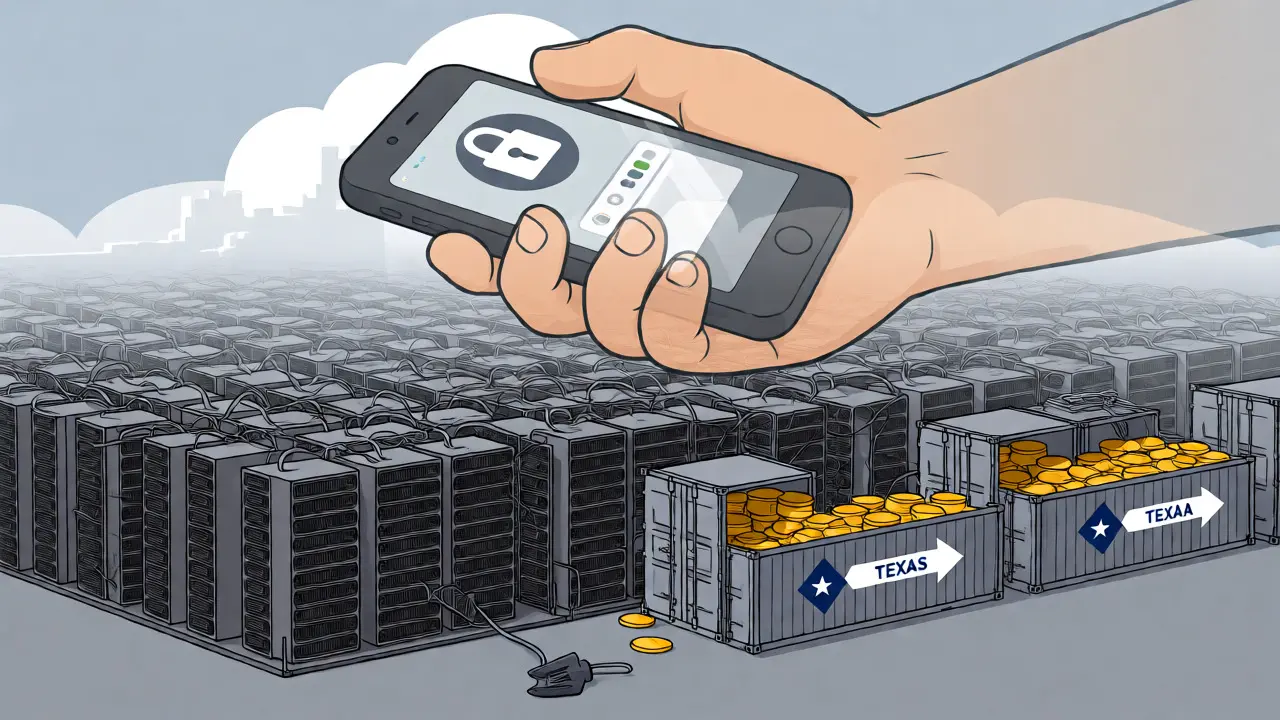
The real turning point for infrastructure came in June 2021. The government cited environmental concerns and financial risks to ban crypto mining entirely. Overnight, China lost over half of the world’s Bitcoin hashrate. Miners packed up their rigs and moved to Texas, Kazakhstan, and Canada. By September 2021, trading and transactions were effectively dead. But the government wasn’t done. In May 2025, they issued the decree that made all private cryptocurrency use illegal, including individual ownership. As of June 1, 2025, if you hold Bitcoin in China, you’re technically breaking the law.
Anatomy of a Crypto Seizure
So, what does "seizure" actually look like in practice? It’s not just about slapping a fine on someone. Chinese authorities have developed a multi-layered enforcement framework that targets three main areas: trading platforms, mining operations, and individual holders.
For businesses, the process is swift. If an exchange or service provider operates in China, regulators can freeze their bank accounts and confiscate any digital assets held in custody. Because many of these entities are state-linked or heavily monitored, compliance is often forced rather than voluntary. Assets are typically auctioned off or transferred to state-controlled entities, though the exact destination of billions in seized funds remains somewhat opaque.
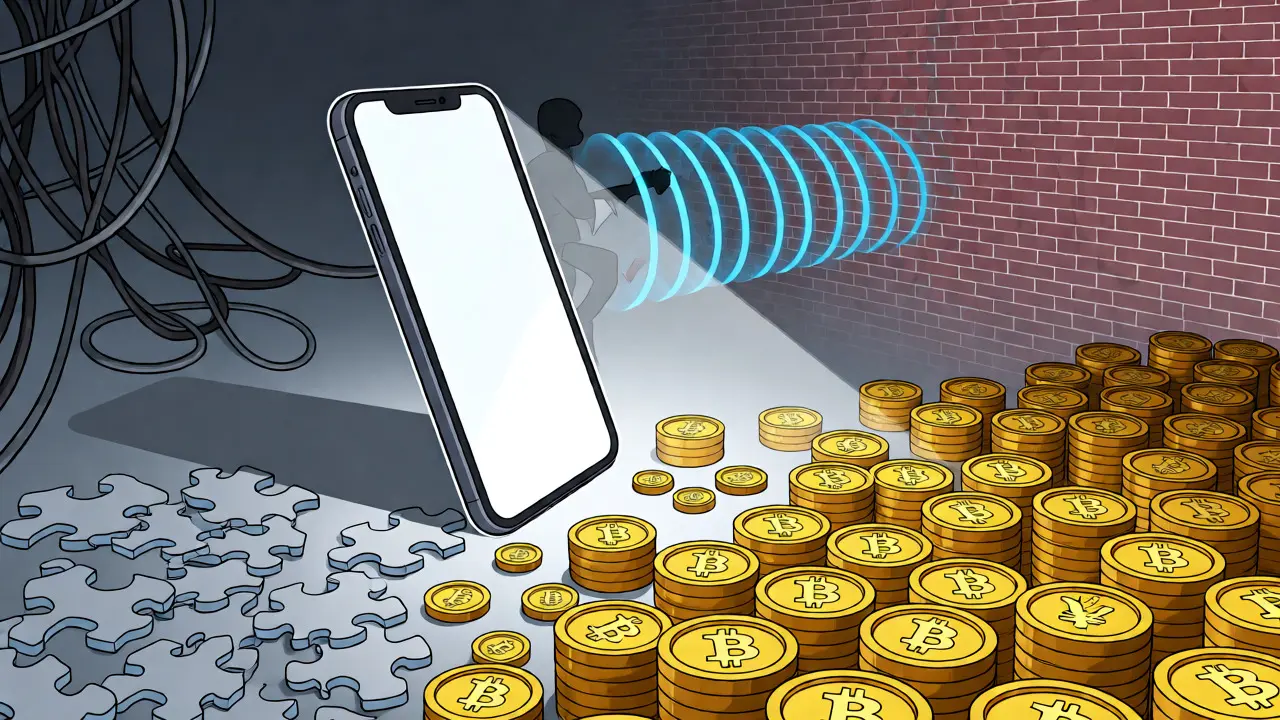
For individuals, the enforcement is trickier but increasingly sophisticated. Authorities monitor internet traffic patterns to detect VPN usage aimed at accessing foreign exchanges like Binance or Coinbase. If you’re caught buying or selling crypto via a VPN, you risk having your fiat currency accounts frozen. More aggressively, local police units have begun conducting raids on suspected high-volume traders, seizing hardware wallets and demanding passwords. Once the keys are obtained, the assets are moved to government-controlled cold storage.
| Sector | Primary Action | Asset Handling | Penalty Severity |
|---|---|---|---|
| Mining Operations | Complete shutdown of facilities | Equipment confiscated or relocated; energy contracts voided | High (Loss of capital investment) |
| Exchanges/Platforms | Licence revocation and account freezes | Custodial assets seized and liquidated | Very High (Business termination) |
| Individual Holders | Monitoring and transaction blocking | Wallets may be frozen; assets subject to confiscation upon violation proof | Moderate to High (Fines and asset loss) |
The International Ripple Effect: The Tianyi Case
While domestic seizures are messy, international cases show how complex this gets when cross-border fraud is involved. Remember the case of Yaping Jian, also known as Tianyi? In October 2018, UK police raided her London residence and found laptops containing keys to approximately 61,000 Bitcoin. At the time, that was worth about £5.5 billion. Today, with Bitcoin prices higher, that pile of digital gold is worth significantly more.
Tianyi pleaded guilty in October 2025 to running a fraudulent investment scheme that promised returns of nearly 300 percent. She allegedly stole billions from over 128,000 victims. Here’s the kicker: while the crime happened across borders, the victim pool was largely Chinese. This sparked a diplomatic tug-of-war. Chinese authorities wanted the funds returned to victims in China. The UK government, facing budget pressures, considered keeping the proceeds. This case highlights a critical issue: who owns seized crypto when the criminal, the victims, and the enforcers are in different countries?
For now, the precedent suggests that if the victims are Chinese, Beijing will press hard for repatriation of assets. But for non-Chinese victims, the outcome depends on local laws. It’s a reminder that crypto crimes don’t respect borders, but seizure laws definitely do.
Why Ban It? The Digital Yuan Strategy
You might wonder why a country so open to tech innovation would kill off a trillion-dollar industry. The answer lies in control. China isn’t anti-technology; they are anti-decentralization. The primary goal of the ban is to clear the runway for the Digital Yuan, also known as the e-CNY.
The e-CNY is a Central Bank Digital Currency (CBDC). Unlike Bitcoin, which is decentralized and anonymous, the Digital Yuan is fully controlled by the PBOC. Every transaction can be tracked, regulated, and taxed instantly. By banning private cryptocurrencies, the government eliminates competition. If you want to use digital money in China, you must use the state’s version. This allows Beijing to maintain strict capital controls, preventing money from flowing out of the country unnoticed through crypto channels.
Think of it this way: Bitcoin lets you bypass banks. The Digital Yuan makes banks irrelevant but keeps the state firmly in charge. For a government prioritizing social stability and economic oversight, the latter is far more attractive.
Enforcement Challenges and the VPN Cat-and-Mouse Game
Banning something is easier than policing it. Despite the 2025 total ban, enforcement faces hurdles. The Chinese internet firewall is robust, but tech-savvy users still find ways to access foreign exchanges. The government responds by analyzing data packets to identify VPN traffic associated with crypto exchanges. If they flag your IP address repeatedly connecting to known crypto sites, your bank account might get flagged for review.
There’s also the issue of peer-to-peer (P2P) trades. Before the ban, many Chinese citizens traded crypto directly with each other using Alipay or WeChat Pay, bypassing exchanges. Now, large transfers between individuals are scrutinized. If you send a suspiciously large sum to a stranger, banks may freeze the transaction pending explanation. This friction makes casual crypto trading nearly impossible for the average citizen.
Moreover, the sheer volume of miners who relocated overseas created a diaspora effect. Many former Chinese miners still operate globally, influencing market sentiment. While they can’t legally trade in China, their wealth and influence remain tied to the ecosystem. Banning them doesn’t erase their impact on global price action.
What Happens to the Seized Coins?
This is the million-dollar question-or rather, the billion-dollar question. When Chinese authorities seize Bitcoin, where does it go? There is no single public ledger detailing every coin. Generally, there are three paths:
- Auction Sales: Large blocks of seized crypto are sometimes sold in bulk to institutional buyers, often offshore, to avoid disrupting the domestic market.
- State Custody: Some assets are held in reserve by state-owned enterprises or sovereign wealth funds, essentially becoming national reserves.
- Restitution: In fraud cases like Tianyi’s, funds are earmarked for return to victims, though the logistics of distributing billions to 128,000 people are daunting.
Transparency remains low. Unlike the US, where the Department of Justice publishes detailed reports on seized assets, China’s announcements are often brief and lack granular detail. This opacity fuels speculation that some seized coins are quietly integrated into the state’s strategic reserves, giving Beijing a hidden lever in the global crypto market.
The Future: Will the Ban Ever Lift?
Looking ahead, don’t hold your breath for a reversal. The ban aligns perfectly with China’s long-term strategic goals. As long as the Digital Yuan rollout continues and capital controls remain a priority, decentralized crypto will likely stay banned. Experts suggest that penalties may even increase, with harsher fines for those caught facilitating crypto trades.
However, technology evolves. What if a new form of digital asset emerges that fits China’s regulatory mold better? Perhaps a permissioned blockchain used strictly for supply chain tracking, where the state holds the keys. That wouldn’t be "crypto" in the libertarian sense, but it would be digital. For now, though, the message is clear: in China, if you can’t control it, you can’t own it.
Is it illegal to own Bitcoin in China right now?
Yes. As of June 1, 2025, the comprehensive ban prohibits individual ownership of cryptocurrencies. While enforcement against small holders is less aggressive than against businesses, holding digital assets is technically a violation of the regulation, and assets can be subject to seizure if discovered during audits or investigations.
Can Chinese citizens still use VPNs to trade crypto?
Technically, yes, but it’s risky. The 2025 ban explicitly targets attempts to access foreign exchanges via VPNs. Authorities monitor internet traffic, and frequent connections to crypto platforms can trigger bank account freezes or fines. It’s a cat-and-mouse game where the house usually wins eventually.
Where does the seized Bitcoin go?
Seized assets are typically handled in one of three ways: sold at auction to institutional buyers, held in state custody as part of national reserves, or distributed to victims in fraud cases. The process lacks full transparency, leading to speculation that significant portions are retained by the state.
Did the ban affect global Bitcoin prices?
Significantly. The initial phases, especially the 2021 mining ban, caused major price drops due to fear and uncertainty. The 2025 total ban solidified China’s exit from the market, removing a massive source of demand and liquidity, which contributed to increased volatility in global markets.
Why is China promoting the Digital Yuan instead?
The Digital Yuan (e-CNY) allows the government to maintain monetary sovereignty. Unlike Bitcoin, it is centralized, trackable, and controllable. By banning private crypto, China ensures that digital adoption flows into the state-controlled system, enhancing financial oversight and preventing capital flight.
Justin Lemanski
the timeline is all wrong here. they didn't wake up one day and hate bitcoin, that's a simplification for the laymen. the real driver was always capital flight control, not some moral panic about tech innovation. you guys miss the point every time.
mike blogger
You're missing the forest for the trees! The environmental angle was just the excuse; the strategic goal has always been dominance over monetary policy. China saw the writing on the wall years ago. They knew decentralized assets threatened their social credit system and economic oversight. This isn't just about bans; it's about total control of the digital future. We need to stop acting surprised and start adapting to this new reality where state-controlled CBDCs rule supreme.
Ryan Hall
ugh so much drama over coins :/ people are so entitled thinking they can just print money whenever they want without consequences. sad state of affairs really :(
Chukwunanu Sunday
chill out everyone, its just business. china did what any government would do to protect their currency value. nothing personal, just economics. we adapt or die, simple as that.
Jamie Robb
who cares about the timeline details? i just wanna know if my wallet is safe lol. seems like chaos tbh.
Grace Glandy
OMG the sheer audacity of seizing billions in Bitcoin is both terrifying and fascinating! It’s like watching a giant chess match where one player flips the board entirely. The ripple effects on global liquidity are going to be wild, I can feel the volatility coming from miles away! This isn't just a local issue; it's a seismic shift in how we perceive value itself. Keep your eyes open, folks, because the game has changed forever!
Raman Tiwari
This is truly dramatic! The idea that a single nation can strangle a global phenomenon with a decree is mind-blowing. I wonder how the miners who moved to Texas feel now, knowing their old home is completely closed off? It raises such deep questions about sovereignty versus globalization. The tension between Beijing's control and the free market spirit is palpable in every sentence. I am eager to see how other nations react to this precedent.
Conor McLaughlin
How quaint. Western analysts always try to rationalize authoritarian moves with 'economic logic.' It’s simply power projection. They don’t care about inflation or efficiency; they care about obedience. Typical :) Don't expect transparency from a regime that treats citizens like data points. :P
Tony Byrne
It is quite worrying, indeed,, to see such strict measures taken against individual freedom... One must consider the human cost of these seizures,, especially for those who lost savings due to lack of clear communication... It feels unfair,, doesn't it??
Sean J Fortune
Let us not forget that Ireland and the broader EU have their own regulatory frameworks which, while less draconian, still impose significant burdens on crypto entities. The Chinese approach is merely an extreme version of what we are slowly moving toward with MiCA regulations. It is naive to think that decentralization will survive unscathed by state intervention everywhere. We are witnessing the end of the libertarian era in finance, and anyone pretending otherwise is living in a fantasy land constructed by Silicon Valley marketing teams.
Caleb Lok
lol good luck enforcing that on millions of people using VPNs. it’s like trying to ban the wind. they’ll just find another loophole. typical government overreach :)
Andrew Ellison
interesting perspective on the digital yuan strategy. it makes sense from a governance standpoint even if it clashes with crypto ideals. respect to them for executing it clearly.
Tonya Dowell
i dont get why people act shocked. govts always crush competition when its convenient. its just money politics at the end of the day
Lucy Florence
is ownership even possible if the state controls the infrastructure? maybe true freedom only exists outside the system entirely. we are all just playing roles assigned by algorithms now. interesting thought experiment though.
dajuan garcia
hey y'all, don't let this stress you out too much. markets bounce back, always have. stay focused on long term goals and keep grinding. we got this!
Sarah Khan
I suppose it is difficult to argue with their reasoning if you prioritize stability over innovation. It is a trade-off many countries face eventually.
Johnny Garza
man this shit is wild. seizing wallets like its petty theft? nah fam. this is geopolitical warfare disguised as financial regulation. watch out world.
jordan gautreau
it is profound to think about what value means when the state says it does not exist. if the medium is banned but the concept remains, does the asset truly disappear? it challenges our very understanding of property rights in the digital age. perhaps we are seeing the birth of a new kind of scarcity.
Jerry Valladares
Control is the ultimate currency. They aren't banning tech; they're curating reality. Bold move. Respect the hustle.
Erin Williams
Hey everyone! Just wanted to add a supportive note here. While the news looks tough, remember that resilience is key in investing. Many communities have adapted before and will again. Let's look at the opportunities in compliance-friendly jurisdictions rather than dwelling on the restrictions. Stay positive and keep learning together! You've got this!