Imagine waking up to find your savings have lost half their value overnight. For millions of Nigerians, this isn't a hypothetical nightmare; it's the daily reality of dealing with naira inflation and currency devaluation. With over 33% of Nigeria's population already using digital assets, finding a reliable place to buy, sell, or hold cryptocurrency is no longer a luxury-it's a financial survival strategy. But here is the catch: not every global exchange welcomes Nigerian citizens, and local regulations have tightened significantly since the Investment and Securities Act (ISA) 2025 came into effect.
If you are looking for a platform that actually lets you move money in and out without your bank account getting frozen, you need to know which platforms are currently active, compliant, and safe. This guide cuts through the noise to list the exchanges that genuinely serve Nigerian users today, explaining exactly what they do well and where they might trip you up.
The New Reality: Why You Can’t Just Use Any Exchange
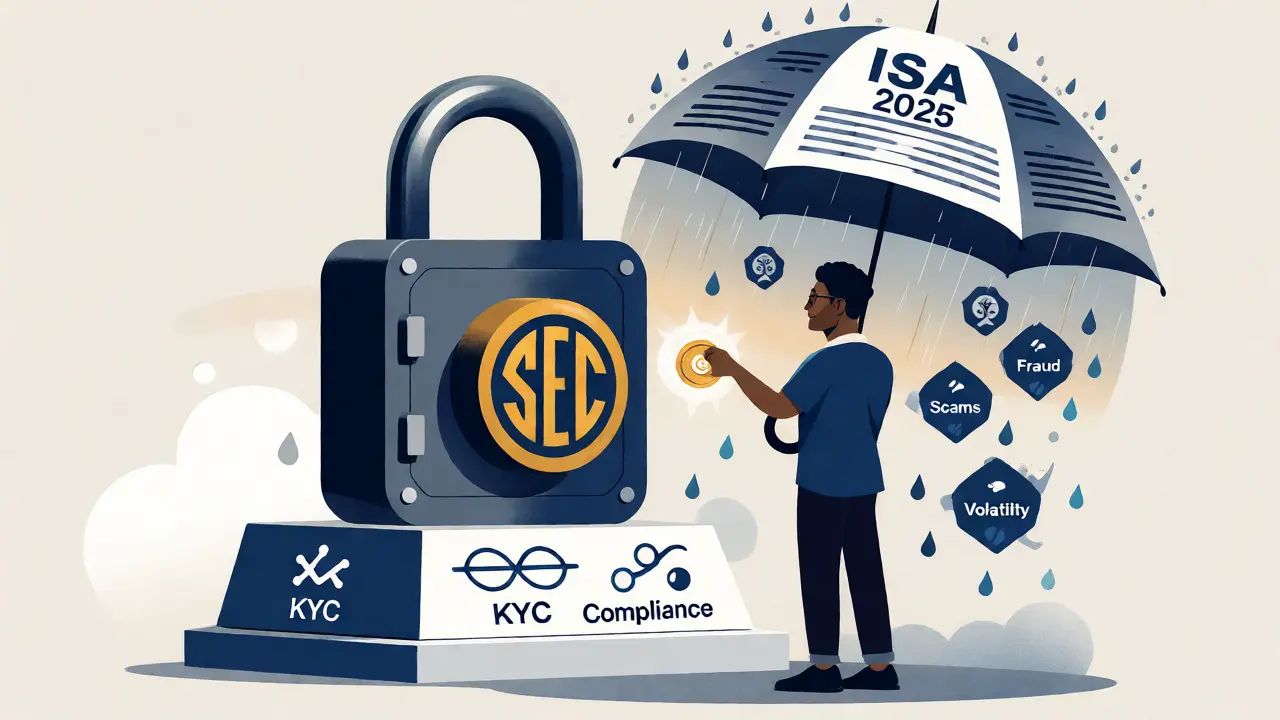
A few years ago, buying Bitcoin in Lagos was as simple as downloading an app and linking a card. That era is gone. The Central Bank of Nigeria’s previous banking bans forced many international giants to pull back or restrict services. However, the landscape shifted dramatically with the passage of the ISA 2025. This law didn't ban crypto; instead, it created a regulated framework. Now, exchanges must register with the Securities and Exchange Commission (SEC) Nigeria to operate legally.
This change matters because it separates legitimate businesses from fly-by-night operators. Before 2025, fraud was rampant. Experts estimate that Nigerians lost over 1 trillion naira to Ponzi schemes disguised as crypto investments. Today, using a licensed or established platform reduces that risk. When you choose an exchange now, you aren't just looking for low fees; you are looking for regulatory compliance and banking partnerships that allow seamless Naira transactions.
Top Crypto Exchanges Available to Nigerian Citizens
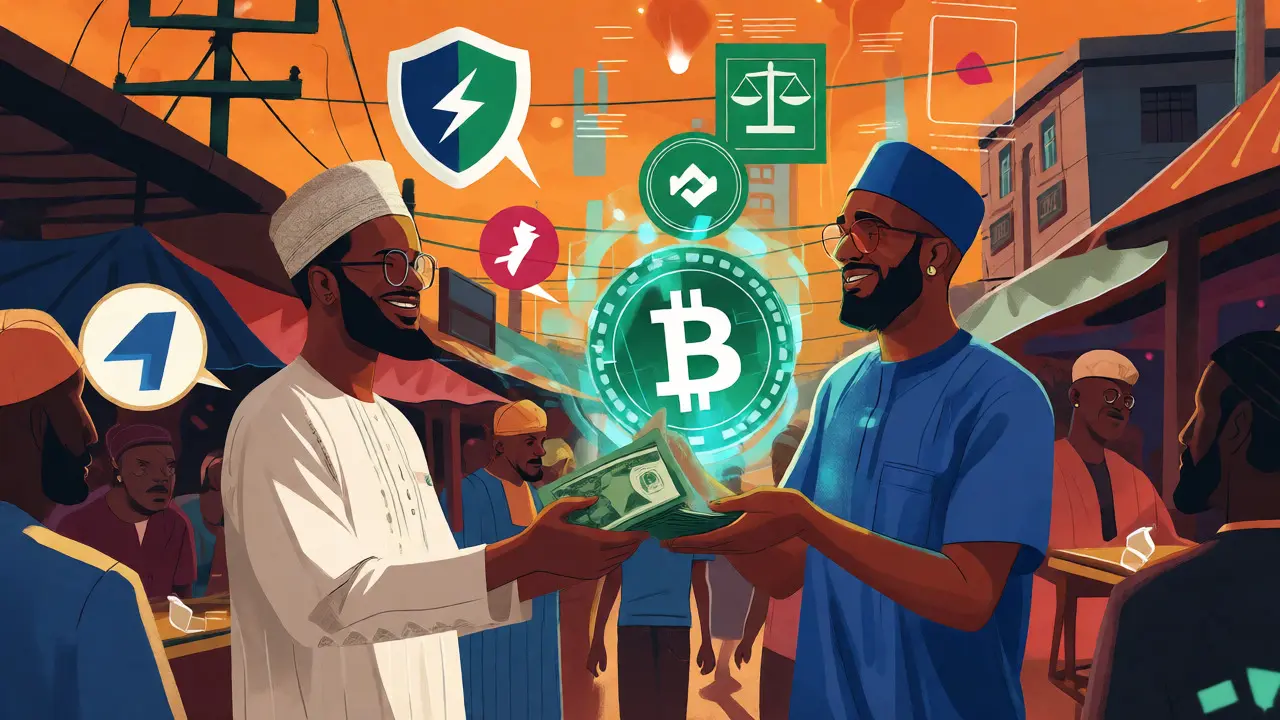
Not all exchanges are created equal. Some focus on trading volume, others on instant cash-outs, and some on peer-to-peer flexibility. Here are the key players currently accessible to Nigerians.
Binance: The Global Giant
Binance remains the largest cryptocurrency exchange by trading volume worldwide. Despite various global regulatory hurdles, it maintains a strong presence in Nigeria. Its primary appeal is variety. If you want to trade obscure altcoins or use advanced derivatives, Binance has the liquidity and the tools.
For Nigerians, Binance’s Peer-to-Peer (P2P) marketplace is often the most critical feature. It allows you to buy USDT or BTC directly from other users using bank transfers. Because Binance doesn't always support direct Naira deposits via traditional banking channels due to CBN restrictions, P2P is the bridge. The downside? You must be careful with counterparty risks. Always check trader ratings and complete transactions within the chat window to avoid scams.
Breet: Best for Instant Cash-Outs
If your main goal is turning crypto into Naira quickly, Breet is arguably the best option. It operates as an Over-The-Counter (OTC) exchange specifically designed for fast payouts. Unlike traditional exchanges where withdrawal processing can take hours or days, Breet promises instant transfers to your Nigerian bank account. This speed is invaluable when the market moves fast, or when you need immediate access to funds for rent or bills.
Breet supports major coins like Bitcoin, Ethereum, USDT, and USDC. The interface is simplified, stripping away complex trading charts in favor of a straightforward "sell" button. While you won't find deep technical analysis tools here, the user experience is tailored for speed and simplicity. Users frequently praise its reliability during high-volume periods, though occasional liquidity dips can occur if too many people try to cash out simultaneously.
EasyEquities: The Low-Fee Broker
Often recognized as the best crypto broker in Nigeria for 2025, EasyEquities offers a different approach. It combines stock investing with cryptocurrency trading under one roof. Their standout feature is transparency. Many exchanges hide costs in the spread (the difference between buy and sell prices), but EasyEquities provides upfront fee disclosure.
Their mobile app is award-winning for a reason: it works smoothly even on lower-end smartphones, which is crucial given Nigeria's mobile-first internet usage. They offer a wide range of coins with extremely low fees. If you prefer a regulated, broker-style environment where you can diversify into stocks alongside crypto, this is a top-tier choice. The KYC process is thorough, requiring proof of income and address, but it adds a layer of security that casual traders often overlook.
Paxful: The P2P Marketplace
Paxful isn't an exchange in the traditional sense; it's a marketplace. You trade directly with other humans. This model thrives in Nigeria because it bypasses strict banking filters. You can find buyers willing to pay via bank transfer, airtime, or even gift cards.
The advantage is flexibility. If banks are blocking crypto-related transfers, Paxful users often find workarounds. However, this freedom comes with risk. Scams are common. You might encounter buyers who claim payment sent but haven't, or sellers holding your coins hostage. Success on Paxful depends entirely on your ability to vet partners. Look for high reputation scores and completed transaction counts. Never release crypto until you see the money in your bank app, not just a screenshot.
YellowCard and NairaEx: Local Specialists
Platforms like YellowCard and NairaEx focus exclusively on African markets. YellowCard integrates deeply with local payment methods, offering better customer support during Nigerian business hours. Their localized approach means they understand specific pain points, such as intermittent network issues or specific bank holidays.
NairaEx, one of the older local exchanges, specializes in Bitcoin, Litecoin, and Ethereum trading against the Naira. While its coin selection is limited compared to Binance, its focus on the local currency makes it a stable choice for basic conversions. Support teams speak the local context, which can be a lifesaver when a transaction gets stuck.
Comparing Key Features: Which One Fits Your Needs?
Choosing the right platform depends on what you value most: speed, cost, variety, or safety. The table below breaks down the core attributes of these leading options.
| Feature | Binance | Breet | EasyEquities | Paxful |
|---|---|---|---|---|
| Primary Strength | Highest liquidity & coin variety | Instant Naira payouts | Low fees & transparent pricing | Flexible payment methods |
| Fees | Variable (spread + trading fee) | Competitive spread | Very low, disclosed upfront | High spread (negotiable) |
| Bank Integration | P2P only (mostly) | Direct bank transfer | Direct deposit/withdrawal | Direct bank transfer |
| User Experience | Complex (for beginners) | Extremely simple | Clean & modern | Chat-based & manual |
| Risk Level | Medium (regulatory shifts) | Low (regulated OTC) | Low (broker regulated) | High (counterparty risk) |
Security and Fraud: Protecting Your Money
You’ve heard the horror stories. People losing life savings to fake "investment apps." In Nigeria, the scale of crypto fraud is industrial. The SEC is currently investigating 79 suspected Ponzi schemes. How do you stay safe?
First, stick to the names listed above. These platforms have been around long enough to build reputations and comply with emerging laws. Second, never send crypto to an unknown wallet address promised by a "manager" who guarantees fixed returns. Real crypto markets fluctuate; guaranteed profits usually mean a scam.
Use two-factor authentication (2FA) on every account. Prefer authenticator apps over SMS, as SIM swap attacks are common in Nigeria. And keep large amounts of crypto in hardware wallets or cold storage if you don't plan to trade them immediately. Exchanges are custodians, not vaults. If an exchange goes down or faces a regulatory freeze, your funds could be inaccessible for weeks.
Getting Started: Verification and Banking
Before you trade, you need to pass Know Your Customer (KYC) checks. This is non-negotiable for regulated platforms. You will typically need:
- A valid National ID (NIN, Voter’s Card, or Driver’s License).
- Proof of address (utility bill or bank statement).
- A self-portrait photo holding your ID.
EasyEquities and MultiBank may ask for additional details like source of income. Be patient; verification can take anywhere from a few hours to three days. Once verified, funding your account is the next hurdle. Due to banking restrictions, direct card purchases are often blocked. Most Nigerians use bank transfers. On P2P platforms, you send Naira from your bank to a seller, and the platform releases the crypto to your wallet. On direct exchanges like Breet or EasyEquities, you link your bank account directly for smoother flows.
Final Thoughts: Navigating the Market
The Nigerian crypto market is vibrant but volatile. With inflation hovering around 24% and the naira struggling against the dollar, crypto serves as both a speculative asset and a hedge against devaluation. The good news is that regulation is bringing clarity. The ISA 2025 framework encourages institutional investment and protects consumers.
Your best strategy? Diversify. Don't put all your eggs in one basket. Use Binance for active trading, Breet for quick cash-outs, and EasyEquities for long-term holding with low fees. Stay informed about SEC updates, as rules can change. And always, always verify before you trust.
Is Binance banned in Nigeria?
No, Binance is not banned. While the Central Bank of Nigeria previously restricted banks from facilitating crypto transactions, Binance continues to operate through its Peer-to-Peer (P2P) marketplace. Users can still buy and sell crypto using bank transfers, though direct fiat deposits via card are often limited.
Which crypto exchange pays the best rates in Nigeria?
Rates vary by market conditions. Breet is known for competitive instant payout rates. Paxful allows negotiation, so rates depend on the individual buyer/seller. EasyEquities offers low spreads. Always compare the final amount received in Naira after fees and spread deductions.
Do I need a BVN to use crypto exchanges in Nigeria?
Most reputable exchanges require a Bank Verification Number (BVN) linked to your bank account for withdrawals. This helps prevent fraud and ensures compliance with anti-money laundering regulations. Some platforms also require a National Identification Number (NIN).
Are crypto profits taxed in Nigeria?
Currently, there is no specific capital gains tax explicitly levied on cryptocurrency profits for individuals in Nigeria, but this is subject to change under new finance acts. It is advisable to keep records of transactions and consult a tax professional for personalized advice.
Can I withdraw crypto directly to my Nigerian bank account?
Yes, platforms like Breet, EasyEquities, and YellowCard support direct withdrawals to Nigerian bank accounts. On P2P platforms like Binance or Paxful, the withdrawal is technically a bank transfer from another user to you, facilitated by the platform's escrow service.
KRISHAN LAKHIWAL
Regulatory compliance is the only metric that matters. Most of these platforms are still operating in a grey area despite the ISA 2025 claims. The SEC Nigeria lacks the enforcement teeth to actually police this space effectively.
Aman Kumar Shah
Man, reading about the naira inflation really hits home!!! It’s wild how we’re all just trying to survive with these digital assets, you know?? I’ve been using Breet for like two years now and honestly, the speed is just insane!! You click sell, boom, money in bank, no more waiting around like it’s 1999!!! But seriously, people need to stop ignoring the counterparty risk on P2P because one bad day can ruin your whole month!!! Stay safe out there, fam, keep those keys secure and don’t let greed cloud your judgment!!!
Steve Parshall
Hey everyone, hope you're all doing well! Just wanted to share that EasyEquities has been super smooth for me lately. The app works great even when my data connection is shaky. Definitely worth checking out if you want a low-stress experience. Keep grinding!
Dana T.
spread arbitrage inefficiencies persist across p2p desks
liquidity fragmentation creates slippage risks
regulatory moats are illusory without capital controls
users ignore custodial risk at their peril
Tiffany Kee
It is so heartwarming to see the community adapting and finding new ways to protect their wealth. The resilience shown by Nigerian users is truly inspiring. I hope everyone finds a platform that brings them peace of mind during these turbulent times. Sending positive vibes to all the traders out there!
Precious Ekwuribe
honestly dont trust any of these local ones too much
breet feels sketchy sometimes
easyequities is better but still meh
stick to binance global imo
Mallika Sachdev
the article fails to address the fundamental ethical issue of leveraging volatile assets as primary savings vehicles for populations lacking social safety nets
this isn't financial innovation it's desperation masquerading as strategy
we should be demanding structural economic reform not just better exchange interfaces
Shawn Jayroe
I appreciate the detailed breakdown of the regulatory landscape. For those starting out, I strongly recommend prioritizing platforms with robust customer support channels. Having a human to talk to when a transaction hangs can save you significant stress. Please ensure your KYC documents are clear and up-to-date to avoid unnecessary delays.
Kaitlin Ruiz
Omg yes!! 🙌 Binance P2P is life saver 💸 but always check the ratings ⭐️!! Don't rush the trade 🐢 wait for the money to hit your bank before releasing coins ✅ Safety first fam ❤️
sarah lucero baer
i think its important to respect each persons risk tolerance here some folks need quick cash outs others are holding long term both valid approaches just need to pick the right tool for the job
Christian Carneado
As someone who has navigated similar markets, I can attest that the transition from informal trading to regulated exchanges is challenging but necessary. The emphasis on security in the post is well-placed. Remember that your financial journey is unique; do not feel pressured to follow trends that do not align with your personal goals.
Mo Habib
Wait why is nobody talking about the fees hiding in plain sight?? Like seriously look at the spread on Paxful it's robbery!! And don't get me started on the withdrawal limits they impose whenever they feel like it!! It's so frustrating!! I lost like 5k last week just trying to move funds around!! This system is broken!!
Jennifer Moore
I completely agree with the sentiment that diversification is key. However, I feel the article underestimates the learning curve involved in managing multiple accounts. For many Nigerians, especially those in rural areas with limited internet access, switching between apps is not just inconvenient but costly. We need solutions that integrate seamlessly into daily banking habits rather than adding another layer of complexity. The cultural aspect of trust is also huge here; people rely on word-of-mouth more than regulatory badges. If a platform doesn't have a strong community presence, it simply won't gain traction regardless of its technical features. Let's focus on building ecosystems that empower users through education and accessible support, not just faster transactions.
Matthew Twin
Whoa, hold up!!! 🛑 Did anyone else notice the subtle nod to hardware wallets??? 🔐 That's such an underrated tip!!! Seriously, moving off-exchange is the ultimate power move!!! 💪 Don't let the banks or the exchanges play games with your bags!!! Keep stacking sats and staying paranoid!!! 🕵️♂️✨
Muyiwa Osibolu
The narrative presented here conveniently ignores the geopolitical maneuvering behind these 'regulations'. The ISA 2025 was not drafted for the benefit of the common man but to facilitate foreign institutional entry. These platforms are merely intermediaries extracting value while the average citizen bears the inflationary burden. We must remain vigilant against these neo-colonial financial structures disguised as technological progress.
Daniel Tremblay
stop normalizing gambling as investing 🎰
people lose rent money chasing pumps 📉
education > speculation 🧠
read the fine print 📜
Ayodele Emmanuel
Naija hustle never sleep! 🚀 Been using YellowCard for the past few months and the support is actually responsive which is rare lol. Just remember to keep your BVN linked properly so withdrawals don't get stuck. We move! 💪🏾