Living in Madison, I might not face the daily hurdles you do, but the data is clear: being an Iranian cryptocurrency user in 2026 is a high-stakes game. One wrong move with your exchange choice can lead to frozen assets, banned accounts, or worse. The landscape has shifted dramatically since late 2025, with international sanctions tightening and domestic regulations becoming increasingly restrictive. If you are holding digital assets in Iran, knowing which platforms to avoid is just as important as knowing which ones to use.
The Tether Trap: Why USDT Is Dangerous for Iranians
The biggest risk you face right now isn't just about price volatility; it's about compliance. Tether, the issuer of the USDT stablecoin, has become aggressively compliant with U.S. sanctions. On July 2, 2025, Tether executed its largest-ever freeze of Iranian-linked funds. They blocked 42 cryptocurrency addresses linked to substantial exposure to Iranian exchanges. This wasn't a small glitch; it was a coordinated enforcement action.
More than half of these frozen wallets had direct connections to Nobitex, Iran's largest local exchange serving over 11 million users. The frozen addresses also showed transaction flows to entities affiliated with the Islamic Revolutionary Guard Corps (IRGC), which were previously flagged by international counter-terrorism financing bodies. For you, this means that any exchange heavily reliant on USDT poses a severe asset seizure risk. If your wallet touches USDT and shows links to Iranian infrastructure, Tether can freeze those funds instantly. There is no customer support line to call. The money is gone.
Local Giants Under Scrutiny: The Nobitex Case Study
You might think sticking to local platforms keeps you safe from international sanctions, but the reality is more complex. Nobitex represents a critical case study in why even dominant local exchanges are risky. In June 2025, Nobitex suffered a devastating hack that exceeded $90 million in losses. That alone would be enough to make you nervous, but the regulatory context makes it worse.
Data analysis firm Elliptic linked Nobitex to a network of wallets consistent with IRGC-aligned financial activity. This positions the exchange as part of Iran's cross-border sanctions evasion apparatus. While this might sound like political posturing, it has real consequences for ordinary users. International authorities view such platforms as critical infrastructure for sanctions evasion. This dual role-as both a target for international enforcement and a tool for state-level activities-makes it particularly dangerous for regular users seeking legitimate services. If you are trying to keep your finances private and secure, associating with platforms under such intense scrutiny is a gamble you likely shouldn't take.
International Tier-1 Exchanges: A Hard No
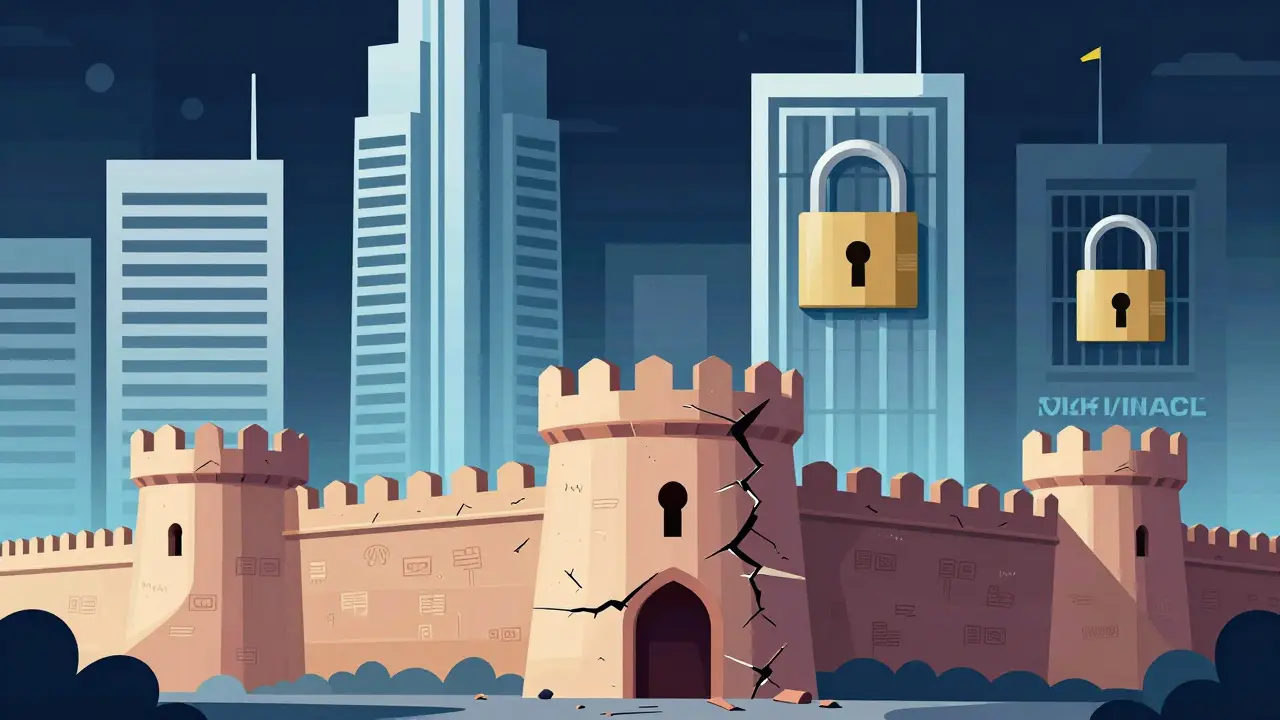
If you are considering using major global platforms like Coinbase, Binance, or Kraken, stop. These tier-1 platforms implement comprehensive sanctions screening. They are under constant pressure from U.S. and European regulators to comply with anti-money laundering (AML) and know-your-customer (KYC) laws.
For Iranian users, this means that creating an account on these platforms often leads to immediate bans or permanent freezes. Even if you manage to sign up, the moment their algorithms detect IP addresses, banking details, or transaction patterns linked to Iran, they will lock your account. Following the July 2025 Tether freezes, there was a coordinated campaign urging Iranian users to exit USDT holdings. Major exchanges joined in, making it nearly impossible to move funds in or out without triggering alerts. Using these platforms exposes you to total loss of access with zero recourse.
Domestic Regulatory Risks: Licensing and Surveillance
The Iranian government's own regulatory framework creates a different set of dangers. In early 2025, the Central Bank of Iran shut down rial-based payment gateways for unlicensed cryptocurrency exchanges. Platforms were required to obtain licenses and submit comprehensive transaction data for government transparency. This might sound like protection, but it actually increases surveillance.
Licensed exchanges operating within Iran must comply with multi-agency oversight through AML/CTF protocols. This means every transaction you make is visible to domestic authorities. In February 2025, a nationwide ban on cryptocurrency advertising signaled increasing hostility toward unregulated crypto activity. Furthermore, the August 2025 enactment of the Law on Taxation of Speculation and Profiteering introduced capital gains taxes on cryptocurrency trading. This positions crypto alongside gold and real estate, creating additional compliance burdens. If you use an exchange that reports to tax authorities, you risk penalties for non-compliance or exposure of your financial activities.
Stablecoin Restrictions and Holding Limits
Stablecoins used to be a safe haven for preserving value, but that changed in September 2025. Deputy Central Bank Governor Asghar Abolhasani announced strict limits on stablecoin purchases. Individual and legal entities now face maximum annual purchase limits of $5,000 and holding limits of $10,000. Users holding more than $10,000 received one-month compliance deadlines with unspecified penalties for non-compliance.
This specifically targets platforms facilitating large stablecoin transactions. If you rely on an exchange to hold significant amounts of stablecoins like USDT or USDC, you are at risk of government action against both the exchange and yourself. The psychological pressure tactics employed by state-affiliated channels, such as Tasnim News Agency, have warned about potential asset freezes, reporting that 'thousands of accounts' belonging to Iranian users have already been blocked. Exchanges promoted through these channels may carry additional sanctions risks due to their perceived alignment with state interests.
The Danger of Unregulated Informal Platforms
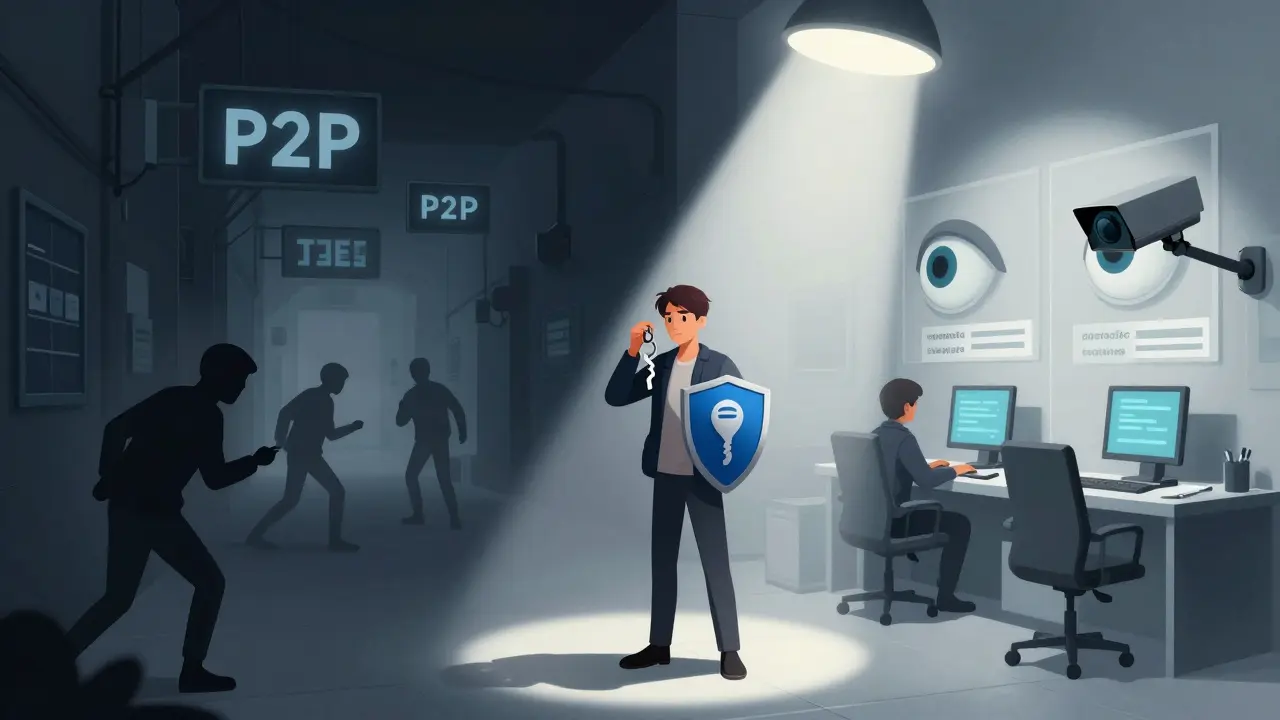
As licensed platforms face stricter rules, many users are turning to informal or unregulated exchanges. This is a dangerous trap. Iranian fintech associations, including the Iran FinTech Association and Iran Blockchain Association, have warned that restrictive regulations could inadvertently favor informal exchanges. These platforms lack proper security infrastructure, customer support, or legal recourse mechanisms.
They are vulnerable to exit scams, technical failures, and fraud. Without licensing, there is no guarantee that the platform holds your assets securely. If the operator decides to disappear, you have no way to recover your funds. Additionally, these platforms often lack the resources to protect against sophisticated hacking attempts, making your assets a prime target for cybercriminals.
| Exchange Type | Primary Risk | Sanctions Exposure | Government Oversight |
|---|---|---|---|
| USDT-Centric Local Exchanges | Asset Freeze by Tether | High | Moderate |
| International Tier-1 (Coinbase, Binance) | Account Ban/Freeze | Extreme | N/A |
| Licensed Domestic Exchanges | Tax Liability/Surveillance | Moderate | High |
| Unregulated P2P Platforms | Fraud/Exit Scams | Low | None |
What Should You Do Instead?
Avoiding risky exchanges is only half the battle. You need a strategy that prioritizes privacy and security. The safest approach involves avoiding exchanges that maintain strict international sanctions compliance, operate without proper Iranian licensing, focus heavily on restricted stablecoins, or have documented IRGC connections.
Consider decentralized alternatives where possible. Peer-to-peer (P2P) trading networks that do not hold custody of your funds can reduce the risk of centralized freezes. However, you must exercise extreme caution to verify counterparties and avoid scams. Some users have turned to alternative stablecoins like DAI via the Polygon network, which offers slightly more privacy than USDT, though it is not immune to all risks. Always keep detailed records of your transactions for tax purposes, as the new taxation laws require reporting speculative profits.
The energy-intensive nature of cryptocurrency mining in Iran, accounting for 4.5% of global mining activity, has also strained the electrical grid. Exchanges facilitating mining pool activities may face additional government scrutiny and service disruptions. If you are involved in mining, ensure your operations are compliant with energy consumption caps to avoid shutdowns.
Can I use Binance if I live in Iran?
No, you should not use Binance. As a tier-1 international exchange, Binance strictly complies with U.S. sanctions. Accounts linked to Iranian IP addresses or banking details are frequently frozen or permanently banned, resulting in total loss of access to your funds.
Why are USDT holdings risky for Iranians?
Tether, the issuer of USDT, actively freezes wallets linked to sanctioned entities. In July 2025, Tether froze dozens of addresses connected to Iranian exchanges like Nobitex. Holding USDT on centralized exchanges exposes you to the risk of sudden asset seizure without warning.
Is Nobitex safe for storing my crypto?
Nobitex carries significant risks. It suffered a $90 million hack in 2025 and is linked to IRGC-aligned financial activities by international analysts. This makes it a target for both international sanctions enforcement and domestic regulatory scrutiny, endangering user assets.
What are the stablecoin limits in Iran in 2026?
As of September 2025, individuals face a maximum annual purchase limit of $5,000 and a holding limit of $10,000 for stablecoins. Exceeding these limits can result in penalties and forced compliance actions by the Central Bank of Iran.
Are unregulated P2P exchanges safer?
Unregulated P2P exchanges offer less risk of government surveillance but higher risk of fraud and exit scams. They lack security infrastructure and legal protections. Use them with extreme caution and never store large amounts of funds on these platforms.
Felix Eduardo Velasquez
The geopolitical intersection of crypto and sanctions is a fascinating, albeit terrifying, landscape to navigate. It highlights the fragility of centralized financial trust when political winds shift. We are witnessing the death of 'code is law' in favor of 'compliance is king'. The Tether freeze wasn't just an enforcement action; it was a declaration that even pseudonymous assets are not truly private if they touch sanctioned infrastructure. For anyone in Iran, this means the safety of USDT is an illusion. You cannot rely on a stablecoin issued by a company subject to US jurisdiction for long-term storage. The data presented here regarding Nobitex is particularly damning because it shows how local platforms become vectors for international risk. If your exchange is linked to IRGC activity, you are essentially sitting on a powder keg waiting for a spark from Washington or Brussels. The $90 million hack at Nobitex is almost secondary to the regulatory poison pill they have ingested. It creates a scenario where users are trapped between domestic surveillance and international seizure. This is why decentralized protocols, despite their UX flaws, remain the only viable exit strategy for high-net-worth individuals in sanctioned regions. The philosophical implication is that true financial sovereignty requires abandoning the convenience of centralized intermediaries entirely.
Emily A
It is precisely correct that one must avoid tier-1 exchanges like Binance and Coinbase. These entities operate under strict KYC/AML frameworks mandated by Western regulators. To suggest otherwise would be negligent. The notion that an Iranian user can successfully maintain an account on these platforms is statistically negligible and practically impossible given current algorithmic screening capabilities. One does not simply 'hide' behind a VPN when transaction patterns and IP geolocation are cross-referenced by sophisticated compliance software. Furthermore, the reliance on USDT is fundamentally flawed due to its centralized issuance mechanism. Tether's adherence to OFAC guidelines is absolute, and any deviation would result in catastrophic legal consequences for the issuer. Therefore, users must understand that holding USDT on any platform with ties to Iranian infrastructure invites immediate liquidation or freezing of assets without recourse. There is no customer support hotline that will override a federal sanction order. The advice to utilize P2P networks is sound, provided one exercises extreme diligence in counterparty verification. However, one must acknowledge that even P2P is not immune to chain analysis firms like Elliptic tracing fund flows back to sanctioned entities.
Gabby Puche
This is such a scary situation for everyone involved 😱. I can't imagine the stress of waking up and finding your life savings frozen overnight. It really shows how fragile our digital money can be when politics get involved. 🌍💸 Please stay safe out there! Maybe diversifying into things that aren't tied to banks or governments is the only way forward? 🙏✨
Lynne Teperman
the nuance here is vital. its not just about avoiding bans but understanding the web of surveillance. the iranian state wants control while the us wants isolation. caught in the middle are regular people trying to save value. the nobitex case is a perfect example of how local solutions can become global liabilities. if you are using a platform that serves as a tool for sanctions evasion you become part of that target list. its a double bind. domestic licensing means tax exposure and foreign connections mean seizure risk. the only real privacy comes from non-custodial solutions where no single entity holds your keys. but even then chain analysis is getting better. we need better tech for financial freedom not just more rules.
Rachel S
Oh my goodness, this is absolutely horrifying! 😱 The sheer scale of the Tether freeze is mind-boggling. To think that 42 addresses were blocked in a coordinated strike... it sends shivers down my spine! 🥶 It is so important to remember that USDT is NOT neutral ground for those in sanctioned countries. It is a minefield! 💣 Every time I see someone recommending USDT as a 'safe haven', I want to scream! It is only safe if you are not under scrutiny! The situation with Nobitex is equally tragic. A $90 million hack? That is astronomical! And then to be linked to IRGC activities? It is a recipe for disaster! Users deserve better than this constant threat of total loss! We must spread awareness about these dangers! Do not sleep on this information! Your financial future depends on it! Stay vigilant, everyone! 🚨📉
Jan Conrad
I have been following the developments around Nobitex closely. The correlation between the hack and the subsequent regulatory scrutiny is telling. It seems the hack exposed vulnerabilities that made the exchange a softer target for both criminals and regulators. From a technical standpoint, the integration of USDT into local liquidity pools was always going to be a point of failure. Tether's compliance team is heavily automated and aggressive. They do not make exceptions for humanitarian reasons or local economic necessity. The question remains: what is the actual volume of transactions flowing through these sanctioned channels versus the legitimate trade? If the majority is speculative or evasion-related, the crackdown is inevitable. I am curious about the resilience of DAI on Polygon as mentioned in the article. Does the multi-collateral nature provide enough obscurity to avoid immediate flagging by chain analytics firms? Or is the smart contract interaction itself a fingerprint?
Rushell Perry
You have to look after yourself first. Its tough when the system is stacked against you. But taking small steps to secure your assets is key. Dont panic sell everything at once. Just start moving away from high-risk platforms slowly. Use P2P carefully and verify every person you deal with. Keep records of everything for taxes even if it feels unfair. Knowledge is power here. Read up on how decentralized finance works so you are not reliant on a central server. Stay calm and stay safe.
Ipsita Seal
Ugh, another boring post about crypto risks. Can we talk about something else? Like fashion or travel? This is so depressing to read. All this talk of sanctions and hacks makes me tired. Why do people even bother with crypto if it is this stressful? Seems like a waste of time to me. I guess some people enjoy living on the edge though. Not me. Too much drama for zero reward. Pass.
Aaron Zeiler
look i work in security and this is basic stuff. if you are in a sanctioned country you are playing russian roulette with your funds. tether is owned by a company that follows us law period. end of story. nobitex got hacked because their security was probably mediocre at best and now they are blacklisted. binance will ban you instantly if they smell iran. dont use vpn to hide it they know. use p2p and meet in person if possible or use escrow services that are not custodial. keep your keys offline. dont trust any exchange that asks for kyc if you are trying to stay off the radar. its simple math.
Kathleen Warren
I feel for everyone dealing with this. It is really hard when you just want to save your money and the world gets in the way. The article says USDT is dangerous and I believe it. Tether freezes money fast. Nobitex had a big hack too. So those are bad choices. Big sites like Binance will kick you out. So what is left? Maybe smaller groups where people trade directly? But be careful of scams. Keep your info private. Write down your transactions for taxes. It is a lot to handle but you can do it. Take it one step at a time.
Barbara Jones
im glad someone wrote this clearly. its easy to get confused with all the hype. but the facts are simple. tether = risky for irans. nobitex = risky because of hacks and links to govt. binance = banned. licensed local = taxed and watched. unlicensed = scammers. so yeah its a mess. i hope ppl find ways to protect themselves. maybe decentralized apps are the answer but i dont know much about them. just stick to what keeps you safe and dont trust anyone who promises easy gains. stay strong everyone.
Gabrielle Danis
The distinction between centralized and decentralized custody is paramount in this context. When you hold assets on an exchange, you do not own the cryptocurrency; you own an IOU from the exchange. In the event of a freeze, that IOU becomes worthless. The Tether incident demonstrates that even stablecoins, which are marketed as low-risk, carry significant counterparty risk for specific demographics. The connection between Nobitex and IRGC-aligned wallets is a critical detail often overlooked by casual observers. This association transforms the exchange from a mere service provider into a node in a sanctions evasion network, inviting severe penalties from international bodies. Consequently, users of such platforms are exposed to secondary sanctions risks. The recommendation to explore DAI on Polygon is prudent, as its decentralized governance structure offers a layer of protection against unilateral freezing actions. However, one must remain vigilant regarding the entry and exit points to these decentralized systems, as fiat on-ramps remain vulnerable to regulatory intervention.
Abhishek Verma
Honestly, if you live in Iran, maybe you should expect some consequences. The whole world knows about the sanctions. Blaming crypto exchanges for following laws is ridiculous. They are not obligated to help you evade international regulations. If you want to play in the global market, follow the rules. Otherwise, stay offline. It is not the fault of Tether or Binance that your government is sanctioned. Stop whining and take responsibility. Also, your electricity usage for mining is stealing from your own grid. Typical.
Janis Naglis
Let’s optimize our approach to this challenge!! We need to leverage decentralized autonomous organizations (DAOs) and peer-to-peer (P2P) networks to mitigate systemic risk!!! By utilizing non-custodial wallets, we can ensure self-sovereignty over our digital assets!!! It is crucial to implement robust encryption and multi-signature schemes to enhance security posture!!! Remember, compliance is not optional, but privacy is a fundamental right!!! Let’s collaborate to build resilient financial infrastructures that transcend geographical boundaries!!! Stay positive and proactive!!! #CryptoFreedom #Decentralization #SecurityFirst
Jimmy vasquez
Hey folks, just wanted to chime in with a friendly reminder. This stuff is serious business. If you are in Iran, please listen to the experts here. Do not put your money on Binance or Coinbase. You will lose it. Tether is also a bad idea right now because they freeze accounts linked to Iran. Nobitex has had too many issues with hacks and government ties. It is better to be safe than sorry. Try looking into P2P trading where you deal directly with other people. But be super careful to check who you are talking to. Scams are everywhere. Keep your passwords secret and use hardware wallets if you can. Hope this helps!
Andrew Todd
Sanctions exist for a reason. Iran supports terrorism. Crypto is being used to bypass these necessary restrictions. Exchanges are doing their job by blocking these users. It is not fair to call them evil for following US law. If you are Iranian, you should accept the consequences of your government's actions. Using crypto to evade sanctions is illegal and immoral. The fact that people are complaining about losing money shows they knew the risks. American companies will not bend the rules for terrorists. Period. End of discussion.