Imagine spending three months waiting for a $500 payment from a French advertiser. That was the reality for a Nairobi-based blogger until she switched to USDC, receiving her money in just 22 minutes. This isn't an isolated incident; it's a symptom of a broken system where creators do the work but platforms take the lion's share. The Blockchain Creator Economy is emerging as the fix, promising direct ownership and fairer payouts. But is it ready for you? Let's look at what’s actually happening on the ground right now.
The End of Platform Feudalism
For years, creators have operated under digital feudalism. You create the value, but YouTube, Spotify, or Patreon own the relationship with your audience and skim 30-50% off the top. It’s no wonder that nearly half of full-time creators earn less than $15,000 annually, despite the traditional creator economy being valued at $250 billion in 2023. The blockchain model flips this script. By using Smart Contracts-self-executing code that automates agreements-creators can reduce platform fees to a mere 1-2.5%. That’s not just a small tweak; it’s a fundamental redistribution of wealth. Instead of renting your audience from a centralized server, you own the data and the revenue stream directly.
How Smart Contracts Change Your Paycheck
The magic here isn’t just lower fees; it’s automation and transparency. Traditional royalty distribution is a black box. Did Spotify really pay you correctly for those streams in Germany? Good luck verifying that. In the blockchain world, every transaction is recorded on a public ledger. When you sell a piece of digital art or music as an NFT (Non-Fungible Token), you can program a royalty percentage into the token itself. If someone resells your album cover for ten times its original price five years from now, you automatically get 5-10% of that sale. No middleman needs to approve it. The code handles it.
This creates a long-tail income model that traditional platforms simply cannot match. For example, Nigerian musician Tems earned $1.2 million from secondary NFT sales of her album 'Born in the Wild' in 2024, compared to just $187,000 from traditional streaming. That’s a massive difference driven by the ability to capture value from community engagement and resale, rather than passive listening.
Technical Reality Check: What You Actually Need
You don’t need to be a coder to join this movement, but you do need to understand the basics. Most successful creators spend 15-20 hours learning the ropes. Here is the typical stack you’ll encounter:
- Wallets: You need a non-custodial wallet like MetaMask or Phantom. This is your bank account and identity rolled into one. Lose the seed phrase, lose everything.
- Networks: Ethereum is the big player, but it’s expensive. Most creators use Layer-2 solutions like Polygon or Solana because they cut gas fees by up to 98% and process transactions in seconds.
- Storage: Your files shouldn’t live on a company’s server that might delete them. Decentralized storage via IPFS (InterPlanetary File System) ensures your content remains accessible even if one node goes down.
Payment stability is another key factor. Using stablecoins like USDC or DAI avoids the wild swings of Bitcoin. You get paid in dollars, just faster and cheaper. According to Blaize Tech’s 2025 analysis, sustainable blockchain solutions now consume 99.95% less energy than early proof-of-work systems, so you can stop worrying about the environmental impact.

Global South Leads the Charge
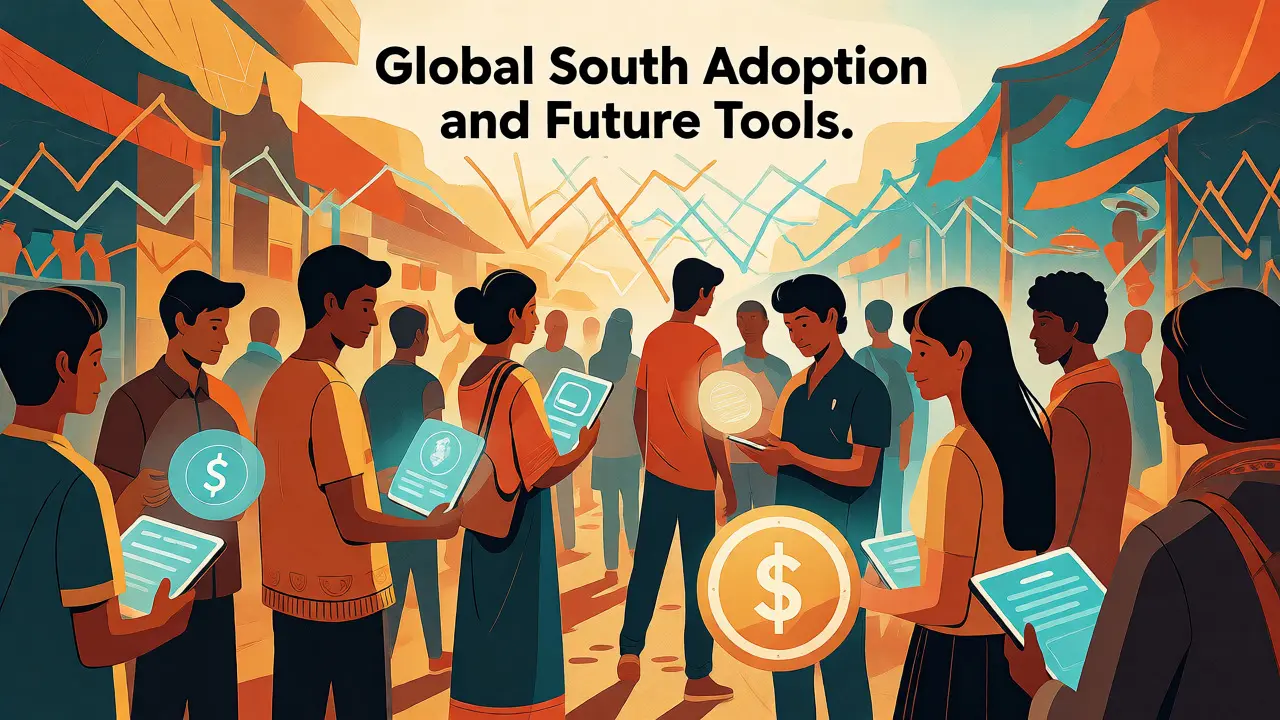
While Silicon Valley debates the philosophy of Web3, the Global South is adopting it out of necessity. In regions with restrictive banking systems or high inflation, blockchain isn’t a luxury-it’s a lifeline. A Built In survey found that 78% of creators in Lagos, Jakarta, São Paulo, and Mumbai reported increased income stability after switching to blockchain payments. Why? Because cross-border transfers that used to take 3-5 business days and cost hefty fees now happen in under 30 seconds.
The market reflects this shift. While Western hubs still dominate volume, the Global South’s creator economy reached $5 billion in 2025 and is projected to hit $30 billion by 2032. Platforms are noticing. Tools designed for low-bandwidth environments and mobile-first users are gaining traction, proving that blockchain infrastructure has passed the scalability threshold needed for mass adoption.
| Feature | Traditional Platforms (YouTube, Spotify) | Blockchain Platforms (Mirror, Audius) |
|---|---|---|
| Platform Fees | 30-50% | 1-2.5% |
| Royalty Transparency | Low (Black Box) | High (Public Ledger) |
| Secondary Sale Revenue | None | 5-10% Automatic |
| Content Ownership | Licensed to Platform | Cretor Owned (NFT/Token) |
| Payout Speed | 3-5 Business Days | Seconds (via Stablecoins) |
The Hurdles: UX and Regulation
It’s not all smooth sailing. User experience remains the biggest barrier. A usability study showed that 68% of new creators need 2-3 weeks just to become proficient. Wallet recovery is scary-if you forget your password, there’s no "Forgot Password" link. Phishing attacks are real, too; Chainalysis reports that 14% of surveyed creators lost assets due to security lapses.
Then there’s regulation. Professor Gary Gensler warns that regulatory uncertainty is the single greatest barrier to mainstream adoption. As of Q1 2025, only 37 countries had clear cryptocurrency frameworks. The EU’s MiCA regulations provide some clarity, but the US remains fragmented, with 28 states having varying rules. This patchwork makes tax compliance a nightmare, though tools like Koinly are helping automate reporting.
Where Is This Going?
Gartner predicts blockchain will generate $3.1 trillion in new business value by 2030. But we won’t see 100% adoption overnight. Expect consolidation. Gartner forecasts that 40% of current blockchain creator platforms will merge or shut down by 2027. The winners will be those who hide the complexity. Imagine logging in with your email, paying with a credit card, and never seeing a private key. That’s the future.
Also, keep an eye on AI integration. Platforms like Ocean Protocol allow creators to monetize their data for AI training. As AI generates more content, provenance becomes critical. Blockchain provides the timestamped proof that you created the original, protecting human artists in an automated world.
Frequently Asked Questions
Do I need to know how to code to participate in the blockchain creator economy?
No, you don't need to write code. Most modern platforms offer user-friendly interfaces similar to social media apps. However, you do need basic digital literacy to manage wallets and understand transaction confirmations. Many creators complete structured learning paths, such as Coinbase Learn's certification, which takes about 15-20 hours to master.
Are NFT royalties guaranteed forever?
Not necessarily. While smart contracts enforce royalties technically, marketplaces must choose to honor them. Some platforms allow buyers to opt-out of royalties to save money. However, new standards like the 'Creator Royalty Standard' (CRS-20) aim to standardize these payments across major platforms, making enforcement more consistent in the future.
What happens if I lose my crypto wallet access?
If you use a non-custodial wallet and lose your seed phrase (recovery phrase), you lose access to your assets permanently. There is no customer support center to reset your password. This is why hardware wallets and secure offline backups are recommended for significant holdings. Custodial services exist but reintroduce third-party risk.
Is the blockchain creator economy better for musicians or visual artists?
Both benefit, but differently. Visual artists often leverage NFTs for primary sales and secondary royalties, capturing high-value collectibles. Musicians use blockchain for fan engagement, exclusive drops, and transparent streaming royalties. Artists like Tems have shown that secondary markets can significantly boost income beyond traditional streaming limits.
How do taxes work for blockchain earnings?
Tax laws vary by country, but generally, crypto earnings are treated as capital gains or income. Every trade or conversion to fiat may be a taxable event. Tools like Koinly integrate with wallets to track transactions and generate tax reports, simplifying compliance. Always consult a local tax professional familiar with cryptocurrency.
Write a comment