Getting free cryptocurrency through an airdrop sounds too good to be true - and sometimes, it is. But not all airdrops are scams. Many legitimate projects use them to grow their communities, reward early users, and kickstart adoption. If you know where to look and how to stay safe, you can claim real value without spending a dime. In 2024 alone, over 287 airdrops were distributed across blockchains, with some users walking away with tens of thousands of dollars in tokens. This guide shows you exactly how to find them, claim them, and avoid the traps that cost people millions.
What Exactly Is an Airdrop?
An airdrop is when a blockchain project sends free tokens directly to digital wallets. It’s not a giveaway contest - it’s a strategic move. Projects do this to build hype, reward loyal users, or incentivize participation. For example, when Uniswap dropped 400 UNI tokens to users who had traded on its platform before September 2020, those tokens later hit over $1,200 in value. That’s not luck - that’s strategy. There are four main types of airdrops you’ll run into:- Holder airdrops: You get tokens just for holding a specific cryptocurrency, like ETH or SOL, at a certain time. No extra work needed.
- Task-based airdrops: You complete actions - follow Twitter, join Discord, refer friends - to qualify.
- Retroactive airdrops: You didn’t know it was coming, but because you used the protocol earlier (like swapping tokens on Uniswap), you’re rewarded after the fact.
- Exclusive airdrops: Reserved for early testers, developers, or users who’ve been active for months on a testnet.
Where to Find Legitimate Airdrops
The biggest mistake people make is searching random Telegram groups or clicking “Claim Now!” ads on YouTube. Most of those are phishing sites. Legitimate airdrops don’t come out of nowhere - they’re announced through official channels. Start with these trusted sources:- Project websites: Always check the official site. Look for an "Airdrop" or "Community" section. If the site looks sloppy or has broken links, walk away.
- Twitter/X: Over 83% of legitimate airdrops are first announced here. Follow official project accounts - not impersonators. Check the blue checkmark and look at how long the account has been active.
- Discord and Telegram: Join official server links from the project’s website. Never click invite links from random tweets or Reddit posts.
- CoinGecko and KuCoin: These platforms track upcoming and past airdrops. CoinGecko listed 1,247 airdrops since 2020. Their updated calendar shows which ones are active now.
Pro tip: Set up Google Alerts for “[Project Name] airdrop” and follow crypto news outlets like CoinDesk and CryptoSlate. If a project is planning an airdrop, they’ll usually announce it 7-14 days before the snapshot date.
How to Claim an Airdrop - Step by Step
Claiming isn’t just clicking a button. It’s a process with real risks. Here’s how to do it right:- Set up a dedicated wallet: Use a separate wallet just for airdrops. Don’t use your main wallet with your life savings. This cuts your risk of theft by 92%, according to CertiK’s 2025 report.
- Check eligibility: Read the rules. Did they say you need to hold 0.1 ETH? Or complete 5 tasks? Did they mention a snapshot date? If you miss the snapshot, you’re out.
- Complete the tasks: Follow the instructions exactly. Some require you to follow 3 social media accounts, join a Discord, and post a tweet. Others ask for KYC verification. Don’t skip steps.
- Wait for the snapshot: Projects take a “snapshot” of wallet balances or activity on a specific date. That’s when they decide who gets what. Don’t move your tokens after this date unless instructed.
- Claim your tokens: When the airdrop goes live, you’ll get an email or notification. Go to the official claiming page (not a link from a tweet!). Connect your wallet, review the transaction, and sign it. Never approve a token allowance unless you’re 100% sure.
Some airdrops auto-claim. Others have a 30- to 90-day window. If you don’t claim in time, the tokens vanish. Starknet lost 23% of its airdrop tokens because people didn’t claim them.
Security: The Biggest Danger
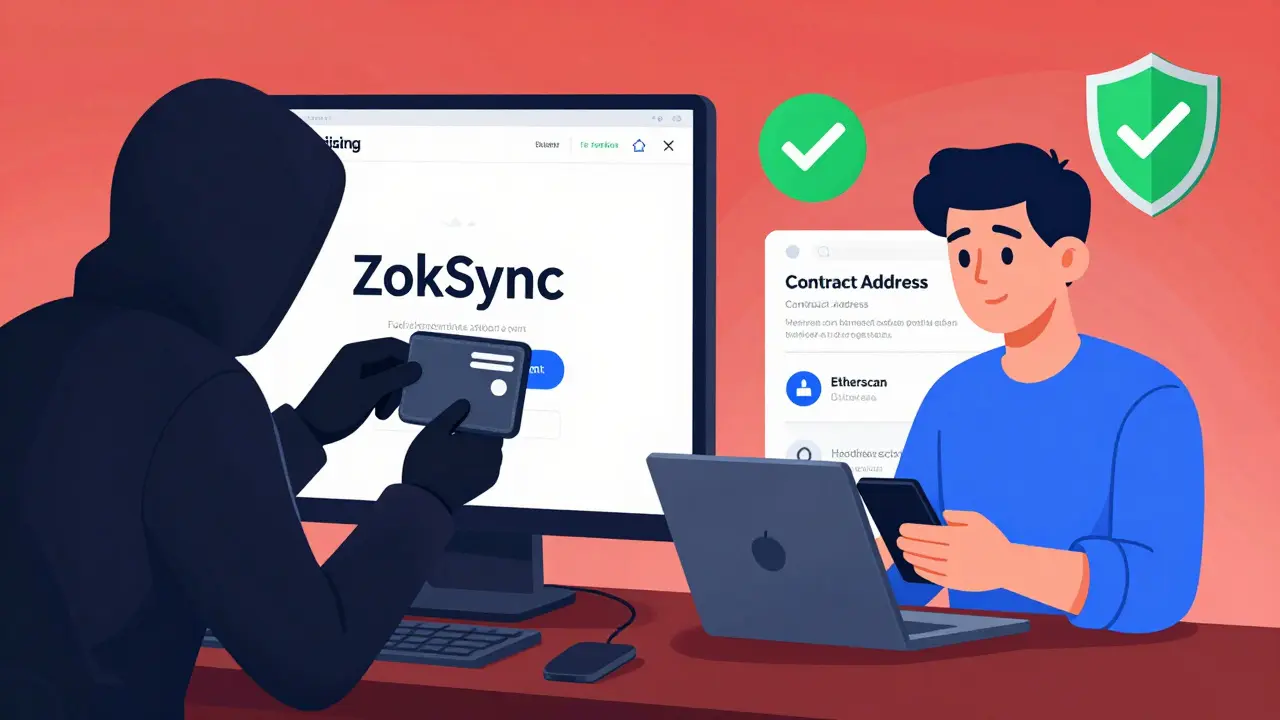
This is where most people lose money. In 2024, the FTC recorded 14,352 complaints about airdrop scams totaling $87.6 million. Here’s how they do it:- Phishing sites: Fake claiming portals that look like Jupiter Exchange or zkSync. They steal your private key when you connect your wallet.
- “Pay to claim” scams: “Send 0.05 ETH to unlock your airdrop.” That’s not real. Legitimate airdrops never ask you to send crypto.
- Malicious token approvals: You sign a transaction thinking it’s to receive tokens - but it gives the scammer permission to drain your whole wallet. Chainalysis found 19% of airdrop-related connections trigger unauthorized spending.
How to stay safe:
- Never share your seed phrase. Ever. Not even with “support.”
- Use a hardware wallet (like Ledger or Trezor) for your main funds.
- Check contract addresses on Etherscan or Solana Explorer before signing anything.
- Look at the transaction details. Does it say “Approve ERC-20 token” for an unknown token? Cancel it.
- Use wallet security tools like WalletGuard or MetaMask’s built-in scam detector.
What Happens After You Claim?
Once you claim, the tokens land in your wallet. But that’s not the end.- They might be locked: 72% of 2025 airdrops include vesting schedules. You get the tokens, but they unlock over 6-24 months. Don’t panic if you don’t see them all at once.
- They’re taxable: The IRS says airdrops are taxable income. You owe taxes based on the token’s value when you received it. TurboTax found 12% of crypto tax errors in 2024 were from unreported airdrops.
- They might be worthless: Many airdrops are just marketing tools. The token price crashes after launch. Don’t assume free = valuable.
Some airdrops, like Jito on Solana, became huge. The lowest tier gave users 4,941 JTO tokens - worth over $11,800 in August 2025. Others? Zero. Track your claims. Use tools like TokenTerminal or CoinGecko to monitor price and volume.
What’s Changing in 2026?
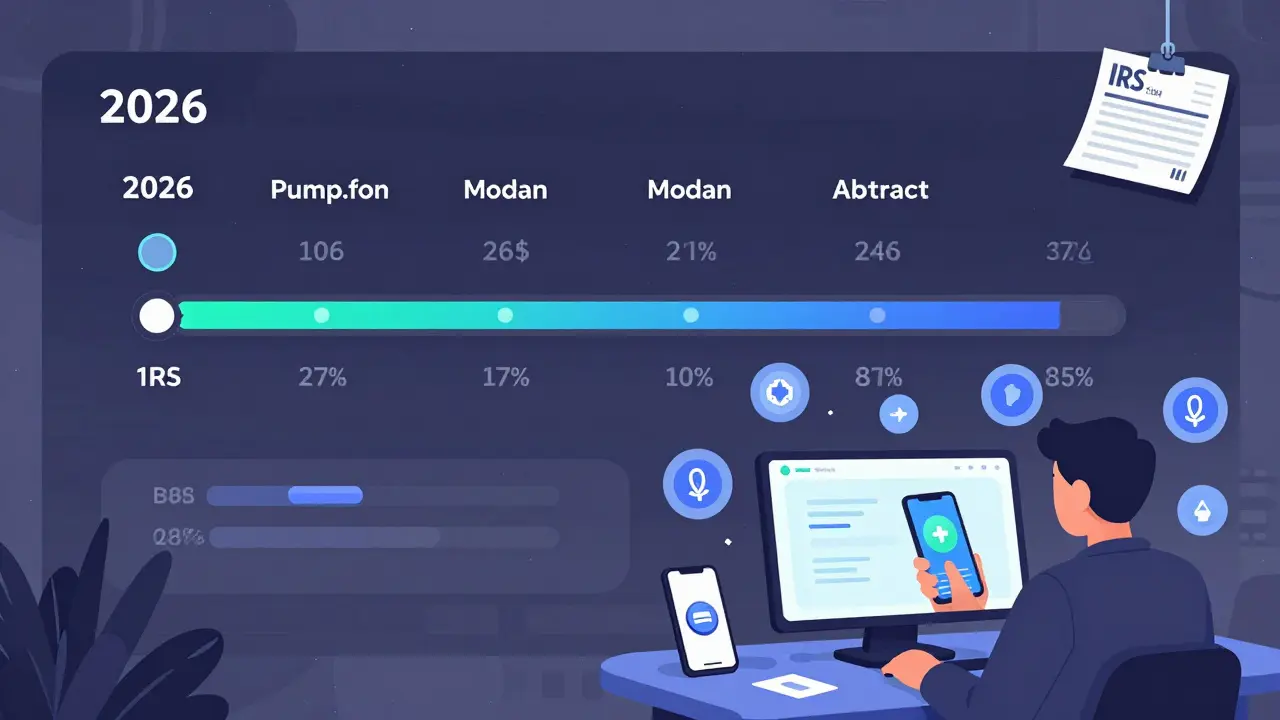
Airdrops aren’t what they used to be. Projects are getting smarter - and more regulated.- Points systems: Instead of just holding tokens, you earn points for every swap, deposit, or NFT mint. zkSync’s system requires 1,500 points across 14 activities. It’s not random - it’s tracked.
- Regulatory pressure: The SEC now says airdrops might be securities if users expect profit. That’s why 37% of 2025 projects added stricter KYC.
- Vesting is standard: No more instant dumps. Most new airdrops lock tokens for a year or more.
- More focus on real usage: Projects like Arbitrum rewarded users who made 112+ transactions. They want users, not bots.
Upcoming airdrops to watch in early 2026: Pump.fun, Monad, Abstract, Eclipse, Axiom, and Mitosis. All use points systems. If you want to qualify, start using them now.
Final Tips: What Works and What Doesn’t
- DO: Use a separate wallet. Track official channels. Claim within deadlines. Know the tax rules.
- DO NOT: Send crypto to claim. Click random links. Use your main wallet. Ignore contract addresses.
Successful airdrop hunters spend about 7.2 hours a week. Not on scams - on monitoring, learning, and engaging. The top earners on Reddit’s r/CryptoAirdrops didn’t get lucky. They built habits. They used 3+ protocols monthly. And they waited.
Airdrops are a tool - not a lottery. If you treat them like one, you’ll lose. If you treat them like a job, you might just get paid.
Can I get rich from airdrops?
Some people have - but it’s rare. The Jito airdrop made some users over $25,000. But most airdrops pay out $50-$500. The real value isn’t in one big payout - it’s in consistently claiming smaller ones over time. Treat it like a side hustle, not a get-rich-quick scheme.
Do I need to pay taxes on airdrops?
Yes. The IRS treats airdrops as ordinary income. You owe taxes based on the token’s fair market value on the day you received it. For example, if you got 100 tokens worth $2 each, you report $200 in income. Keep records. Use crypto tax tools like Koinly or CoinTracker to track receipt dates and values.
What if I missed the snapshot date?
You won’t get the airdrop. Snapshots are final. Projects don’t make exceptions. That’s why it’s critical to monitor announcements and keep your wallet active before the date. If you’re unsure, check the project’s blog or Twitter - sometimes they announce a second snapshot.
Are airdrops safe for beginners?
Yes - if you follow safety rules. Start with simple holder airdrops (like holding ETH or SOL). Avoid task-based ones until you understand how wallets and approvals work. Never connect your main wallet. Use a free wallet like MetaMask, and never share your seed phrase. Stick to projects with real websites and active communities.
Why do projects give away free tokens?
They need users. Airdrops boost daily active users by 37% on average, according to Messari. They also create buzz, attract developers, and decentralize ownership. Instead of selling tokens to investors, they give them to real people who use the product. It’s a smarter way to grow than paid ads.


Christina Young
Airdrops are just marketing gimmicks dressed up as free money. Most of them are worthless. The Jito example? An outlier. 95% of users walk away with pennies. Stop pretending this is a side hustle-it’s a time sink with zero ROI.
And yes, I’ve claimed 14 of them. None were worth the gas fees.
Steven Lefebvre
I started doing airdrops last year and honestly? It’s changed how I interact with crypto. I don’t just hold-I engage. Join Discords, test networks, read whitepapers. It’s not about getting rich. It’s about being part of something before it blows up.
Just don’t go all in on one. Spread it out. 3-5 projects a month is sustainable.
nalini jeyapalan
You people are so naive. You think the SEC doesn’t know about this? They’re watching. Every airdrop with a vesting schedule is a security under current interpretation. You’re not getting free tokens-you’re getting regulatory targets.
And don’t even get me started on tax evasion. The IRS is cross-referencing wallet addresses with Coinbase data. You think you’re sneaky? You’re on a list.
Drago Fila
Hey, if you’re new to this, don’t panic. Start small. Hold some ETH in a MetaMask wallet for a month. That’s it. You might get lucky with a holder airdrop. No tasks. No risks.
Then slowly dip into Discord communities. Ask questions. Learn. It’s not about money-it’s about building your crypto literacy. You’ll thank yourself later.
Olivia Parsons
Just use CoinGecko’s airdrop calendar. It’s updated daily. No need to chase tweets or join random Telegrams. Stick to trusted sources. And always, always check the contract address on Etherscan before signing anything.
Simple. Safe. Effective.
Issack Vaid
While I appreciate the effort put into this guide, I must point out that framing airdrops as ‘strategic’ ignores the fundamental asymmetry of power. Projects gain community, liquidity, and visibility. Users gain tokens that are often illiquid, volatile, or outright worthless.
It is not generosity-it is extraction masquerading as inclusion. The real beneficiaries are VCs with early access to private rounds, not the ‘early users’ we’re told to admire.
Shawn Warren
Just did a zkSync airdrop last week and got 1200 points by swapping and bridging
took me 3 days of small transactions
now waiting for snapshot
if I get even 50 tokens it’s worth it
learned a lot about layer 2s in the process
no regrets
Jackson Dambz
Why are we still doing this? The entire airdrop ecosystem is a Ponzi scheme built on retail FOMO.
Projects use our time and data to inflate metrics.
We get tokens that dump 80% in a week.
And the only people who profit are the dev teams who sold their private allocations before the public claim.
This isn’t innovation. It’s exploitation.
Megan Lutz
The tax angle is the most under-discussed part. People think ‘free tokens’ means ‘free money.’ They don’t realize they’re getting a 1099 in the mail.
I claimed a $300 airdrop last year. My tax bill went up by $75. I didn’t even sell the tokens.
It’s not a windfall-it’s a liability. Keep records. Track every receipt. Use Koinly. Or you’ll regret it when April rolls around.
Austin King
Been doing this for two years. Got $800 total. Not bad for 20 hours of work.
But the real win? I learned how to use wallets, understand gas fees, and spot scams.
Now I’m not scared of DeFi anymore. That’s worth more than any token.
Jamie Hoyle
Oh look, another ‘how to get rich’ guide written by someone who claimed one airdrop and got $200.
Let me guess-you’re also telling people to ‘just hold BTC’ and ‘don’t listen to the haters.’
Here’s the truth: 99% of airdrops are dead on arrival. The ones that live? They’re pump-and-dump vehicles for insiders.
And you’re the sucker who’s supposed to ‘build habits’ while they cash out.
Wake up.
Jeffrey Dean
If you believe airdrops are ‘strategic,’ you’ve never studied behavioral economics.
Projects don’t reward users-they manipulate attention.
They create artificial scarcity to trigger FOMO.
They weaponize your desire to belong.
And then they sell the tokens they were given for free.
This isn’t decentralization.
This is digital capitalism with a smiley face.
Brian T
I tried airdrops once. Got a $12 token. Then it dropped to $0.03.
Wasted two hours of my life.
Now I just watch from the sidelines.
Why risk my wallet for a 0.1% chance of $50?
It’s not worth it.
Let the bots do it.
Bill Pommier
It is imperative that we recognize the systemic risk posed by the airdrop ecosystem. The absence of regulatory oversight enables fraudulent actors to exploit retail participants through deceptive contract interactions and phishing vectors.
The use of terms like ‘free tokens’ constitutes a material misrepresentation under securities law.
It is not merely irresponsible-it is unethical to promote this as a legitimate financial opportunity.
jonathan swift
ALERT 🚨
EVERY airdrop is a honeypot.
THEY WANT YOUR PRIVATE KEY.
THEY TRACK YOUR WALLET.
THEY SELL YOUR DATA TO AD TARGETERS.
THEY USE YOUR ACTIVITY TO INFLATE METRICS FOR VC FUNDRAISING.
YOU THINK YOU'RE GETTING FREE MONEY?
YOU'RE THE PRODUCT.
STOP. WALK AWAY.
USE A HARDWARE WALLET.
OR JUST STICK TO BITCOIN.
❤️
Datta Yadav
Let me tell you something you won’t hear from these fluffy guides. Airdrops are not about community. They are about tokenomics engineering. The real goal is to create a large enough holder base to artificially inflate trading volume on DEXs, which then tricks algorithms into listing the token on bigger exchanges. Once listed, the dev team dumps their private allocation, and retail gets stuck with the bag. The ‘snapshot’? That’s when they lock in the last wave of suckers before the dump. The ‘vesting’? A delaying tactic to avoid immediate price collapse. The ‘task-based’ airdrops? Designed to create fake engagement metrics that look good on their pitch decks. And the ‘holder’ airdrops? Mostly just a way to redistribute tokens from whales to new wallets so it looks decentralized. It’s all smoke and mirrors. I’ve been in this space since 2017. I’ve seen this exact pattern repeat 17 times. The only winners are the lawyers and the VCs. Everyone else? Just fuel for the machine.
Lydia Meier
There is no such thing as a legitimate airdrop.
Every single one is a security offering.
Every single one violates SEC guidelines.
Every single one will eventually be shut down.
Why are people still participating?
This is not innovation.
This is regulatory arbitrage.
And you are the liability.