Imagine logging into your favorite trading platform to check your portfolio, only to find a blank screen. No error message. No maintenance notice. Just silence. For users of Kryptono, a Singapore-based cryptocurrency exchange that launched in 2018, this wasn't a hypothetical nightmare-it was reality. On November 11, 2021, the website vanished completely. Since then, the platform has remained offline, leading industry observers and monitoring databases to classify it as permanently defunct.
If you are searching for a Kryptono crypto exchange review today, you likely fall into one of two camps. Either you are an old user trying to recover funds lost when the site went dark, or you are a new trader who stumbled upon the name online and wants to know if it is safe to join. The answer to both questions is starkly simple: Kryptono is dead. It does not operate, it does not support users, and it poses significant risks if you attempt to interact with any lingering references to it. This review breaks down what happened, why it matters, and where you should actually trade your digital assets in 2026.
The Rise and Fall of Kryptono
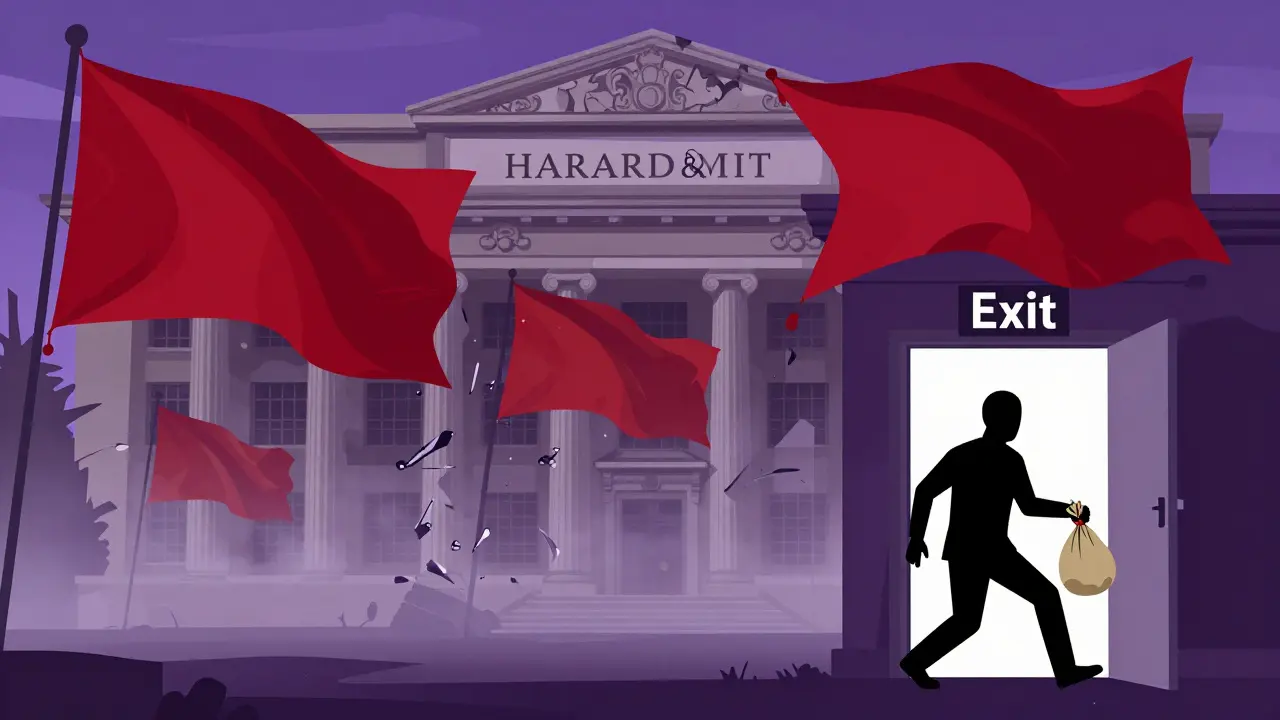
To understand why Kryptono failed, we have to look at how it started. Launched in June 2018, Kryptono entered a crowded market in Asia, specifically targeting investors in the United States despite being based in Singapore. The team behind the exchange claimed impressive credentials. They listed alumni from prestigious institutions like Harvard, Stanford, MIT, and Yale. Their expertise supposedly spanned blockchain development, cryptography, big data, and finance. On paper, it sounded like a dream team.
However, the name itself raised eyebrows early on. Industry insiders pointed out that "Kryptono" sounds suspiciously like "Crypto? No." While some might brush this off as a quirky branding choice, others saw it as an unfortunate omen. The platform marketed itself as a medium-sized exchange offering peer-to-peer (P2P) payments and easy access to assets. It promised hassle-free transactions and advanced trading tools. But promises mean little without execution.
By late 2021, the crypto market was volatile. Many exchanges were struggling with liquidity issues, regulatory pressure, or technical failures. Kryptono did not issue any warning signs. There were no emails about server upgrades. There were no posts on social media about temporary downtime. One day, the site was there. The next, it was gone. This sudden disappearance is the hallmark of a failed operation, distinguishing it from legitimate exchanges that may face temporary technical glitches but always communicate with their users.
Red Flags: Why Kryptono Was Not Legitimate
In the world of cryptocurrency, transparency is currency. Legitimate exchanges operate under strict guidelines. They provide clear fee structures, robust security measures like cold storage and two-factor authentication, and responsive customer support. Kryptono lacked these fundamental pillars. Here is why the platform should have been avoided:
- Sudden Disappearance: A legitimate business does not vanish overnight without notice. This suggests either a catastrophic failure of management or a deliberate exit scam.
- Lack of Regulatory Compliance: While Singapore has a relatively open regulatory environment for crypto, operating in the US requires adherence to strict rules. Kryptono served US investors but never demonstrated clear compliance with US financial regulations.
- No User Reviews or Track Record: Unlike established platforms, Kryptono had virtually no independent user reviews or verifiable track record before its closure. Affiliate marketing materials praised its features, but real-user feedback was nonexistent.
- Vague Team Information: Claiming to have employees from top universities is a common tactic among fraudulent projects. Without named leaders or public profiles, these claims are impossible to verify.
The absence of Kryptono from lists of active, legitimate exchanges in 2025 and 2026 confirms its status. Platforms like Coinbase, Kraken, and Binance US undergo regular audits and maintain transparent operations. Kryptono does not appear in any current database of functioning exchanges.
What Happened to Your Funds?
If you had money in Kryptono when it shut down, the situation is dire. The complete inaccessibility of the website means you cannot log in to withdraw your assets. There is no customer support email to contact. There is no legal entity to sue. In many cases of sudden exchange closures, user funds are either frozen indefinitely or stolen by the operators.
This scenario highlights a critical risk in cryptocurrency investing: counterparty risk. When you leave your coins on an exchange, you are trusting that company to hold them safely. If that company disappears, your trust is misplaced. The California Department of Financial Protection and Innovation (DFPI) and other global regulators actively track such incidents. While Kryptono may not be explicitly listed as a "scam" in all databases due to lack of formal investigation, its behavior aligns with fraudulent patterns. Users are advised to accept the loss and move forward, rather than spending time chasing non-existent recovery options.
Safe Alternatives: Where to Trade in 2026
Since Kryptono is no longer an option, you need a reliable place to buy, sell, and store cryptocurrencies. The market has matured significantly since 2018. Today, several regulated, secure, and user-friendly exchanges dominate the landscape. Here are the best alternatives for traders in the US and globally:
| Exchange | Crypto Assets | Fees (Maker/Taker) | Key Feature | Best For |
|---|---|---|---|---|
| Coinbase | 235+ | 0% - 3.99% | High security, US-regulated | Beginners & Institutional Investors |
| Kraken | 350+ | 0% - 0.4% | Low fees, strong privacy | Active Traders |
| Binance US | 158 | 0% - 0.6% | Wide variety of tokens | Advanced Traders |
| Gemini | 73 | 0.5% - 3.49% | Regulatory compliance focus | Conservative Investors |
| Crypto.com | 313+ | 0% - 2.99% | User-friendly app ecosystem | Mobility-focused Users |
These platforms offer something Kryptono never did: accountability. They publish proof of reserves, undergo third-party audits, and provide clear channels for customer support. For example, Coinbase offers insurance coverage for certain assets, while Kraken is known for its low trading fees and high liquidity. If you are looking for simplicity, eToro provides a social trading experience with 85 cryptocurrencies. For those who want zero fees on basic trades, Robinhood is a viable option, though it supports fewer assets (25).

How to Choose a Safe Exchange
Avoiding another Kryptono situation requires diligence. Before depositing a single dollar, ask yourself these questions:
- Is it regulated? Check if the exchange is registered with financial authorities in your country. In the US, look for registrations with the SEC or state-level regulators like the DFPI.
- Does it have transparent fees? Hidden fees are a major red flag. Legitimate exchanges list their maker/taker fees clearly on their pricing page.
- What is its security track record? Look for information on cold storage usage, two-factor authentication (2FA), and past security breaches. How did they handle previous incidents?
- Are there real user reviews? Search for independent reviews on forums like Reddit or Trustpilot. Avoid sites that only show five-star ratings from anonymous sources.
- Does it provide customer support? Try contacting support before signing up. If they take days to reply or use generic bot responses, walk away.
Additionally, consider using a hardware wallet for long-term storage. Exchanges are convenient for trading, but they are not ideal for holding large amounts of crypto. By moving your assets to a private wallet, you eliminate the risk of exchange failure entirely.
Lessons from the Kryptono Collapse
The story of Kryptono serves as a cautionary tale for the entire crypto community. It reminds us that not every platform with a slick website and fancy team bios is trustworthy. The rapid growth of the industry has attracted both innovators and opportunists. Distinguishing between the two requires skepticism and research.
Moreover, the collapse underscores the importance of diversification. Never keep all your eggs in one basket. Spread your investments across multiple exchanges and, more importantly, hold your own keys. The phrase "not your keys, not your coins" is not just a slogan; it is a survival strategy. When an exchange disappears, you lose access to your funds. When you hold your own private keys, your assets remain yours regardless of what happens to third-party platforms.
As we move further into 2026, the regulatory landscape continues to tighten. Governments worldwide are cracking down on unregistered exchanges. This is good news for users, as it forces platforms to become more transparent and secure. However, it also means that older, less compliant exchanges like Kryptono will continue to fade into obscurity, leaving behind frustrated users and empty wallets.
Is Kryptono still operational in 2026?
No, Kryptono is not operational. The website became inaccessible on November 11, 2021, and has remained offline since. It is classified as a defunct exchange.
Can I recover my funds from Kryptono?
It is highly unlikely. With no website, no customer support, and no legal presence, there is no mechanism to withdraw funds. Users are advised to treat these funds as lost.
Was Kryptono a scam?
While not officially labeled a scam by all regulatory bodies, its sudden disappearance without notice aligns with fraudulent behavior. It lacked transparency and regulatory compliance, which are hallmarks of legitimate exchanges.
What are the safest crypto exchanges in 2026?
Top-rated exchanges include Coinbase, Kraken, Binance US, Gemini, and Crypto.com. These platforms are regulated, have transparent fee structures, and offer robust security features.
Why did Kryptono shut down?
The exact reason is unknown due to lack of communication. However, sudden closures often result from insolvency, regulatory pressure, or intentional exit scams. The absence of any official statement suggests poor management or malicious intent.
Should I avoid all Asian-based crypto exchanges?
Not necessarily. Many reputable exchanges operate in Asia, including Binance (global) and Bitstamp. The key is to verify regulatory compliance and security practices, regardless of location. Focus on platforms with proven track records and transparent operations.

Write a comment