Keeping cryptocurrency in an offshore account used to feel like a digital blind spot. You could move assets across borders without leaving a paper trail, right? Not anymore. In 2026, the idea that blockchain is anonymous is dangerously outdated. Regulators and forensic analysts now have tools that turn every transaction into a permanent, traceable record. If you are holding offshore crypto accounts to avoid taxes or regulatory scrutiny, you are walking into a minefield of detection risks and severe legal consequences.
The Myth of Anonymity on Public Ledgers
Many people assume that because they don’t attach their name to a wallet address, they are invisible. This is a critical misunderstanding. Blockchains like Bitcoin and Ethereum are public ledgers. Every transfer is recorded permanently. The only thing hidden is your identity, not your activity. And thanks to advanced analytics, hiding your identity is getting harder by the day.
Blockchain analysis is the process of examining transaction data on distributed ledgers to identify patterns, link addresses to real-world entities, and detect illicit activity. Companies specializing in this field use machine learning to cluster addresses. They look for how funds move between wallets. If you send money from Wallet A to Wallet B, then later combine funds from Wallet C into Wallet B, analysts can often infer that you control all three wallets. This is called address clustering.
The more you reuse an address, the bigger your digital footprint becomes. Reusing addresses creates a historical trail that investigators can map. It’s like using the same post office box for years; eventually, someone figures out who lives there. For offshore holders, this means that long-term storage strategies are increasingly risky if they involve frequent interactions with known exchanges or services.
How Authorities Detect Offshore Holdings
Detection isn’t just about looking at the blockchain. It’s about correlating data from multiple sources. Here are the primary methods used to uncover offshore crypto accounts:
- Exchange Interaction Analysis: When you move crypto from a private wallet to a centralized exchange (like Coinbase or Binance) to cash out, you trigger Know Your Customer (KYC) checks. Exchanges must report these transactions to authorities under Anti-Money Laundering (AML) laws. Even if you use a foreign exchange, many comply with international standards.
- IP Correlation: If you access a web wallet or blockchain explorer without proper anonymization, your IP address is logged. Investigators can link that IP to a specific geographic location and Internet Service Provider. Combining this with transaction timestamps helps build a profile of who owns which wallet.
- Dusting Attacks: This is a subtle but effective technique. Small amounts of crypto are sent to thousands of addresses. If you consolidate these "dust" coins with your larger holdings, you reveal other addresses linked to your main wallet. Investigators track where the dust goes next.
- Common Input Analysis: Also known as common spend analysis, this identifies when multiple inputs fund a single output. If two different addresses send funds to a new address simultaneously, they are likely controlled by the same person.
These techniques mean that even if you never directly interact with a regulated entity, your behavior on-chain can flag you for investigation. The sheer volume of data makes manual review impossible, so AI-driven tools scan millions of transactions daily for suspicious patterns.

The Danger of Obfuscation Tools
To stay hidden, some users turn to mixers, tumblers, or privacy coins. While these tools add layers of complexity, they also create red flags. Using a mixer doesn’t erase your history; it just moves it to a known mixing service. And here is the catch: many of these services are now sanctioned.
In May 2022, the Office of Foreign Assets Control (OFAC) sanctioned Blender.io, a Bitcoin mixing service linked to the Lazarus Group. Later that year, in August, OFAC sanctioned Tornado Cash, a popular Ethereum mixing protocol. These actions established a precedent: US persons, including Virtual Asset Service Providers (VASPs), face severe penalties for interacting with these platforms.
Tornado Cash is a decentralized non-custodial privacy protocol on Ethereum that allows users to swap Ether and ERC-20 tokens for indistinguishable versions of themselves. Despite being open-source, its sanction meant that anyone sending funds through it risked violating US sanctions laws. This applies even if you are not in the US but hold USD-denominated assets or interact with US-based entities.
Using these tools signals guilt to automated monitoring systems. Instead of blending in, you stand out. Law enforcement agencies prioritize investigating addresses that interact with sanctioned mixers. So, trying to hide your offshore holdings by using a tumbler might actually accelerate your detection.
| Method | Effectiveness | Detection Risk | Legal Status |
|---|---|---|---|
| Standard Wallet | Low | High (if KYC-linked) | Legal |
| Mixers/Tumblers | Medium | Very High (Sanctioned) | Risky/Illegal in US |
| Privacy Coins (Monero) | High | Medium (Exchange bans) | Restricted on many exchanges |
| Cold Storage Only | High | Low (until cash-out) | Legal |
Legal Consequences: Fines, Forfeiture, and Prison
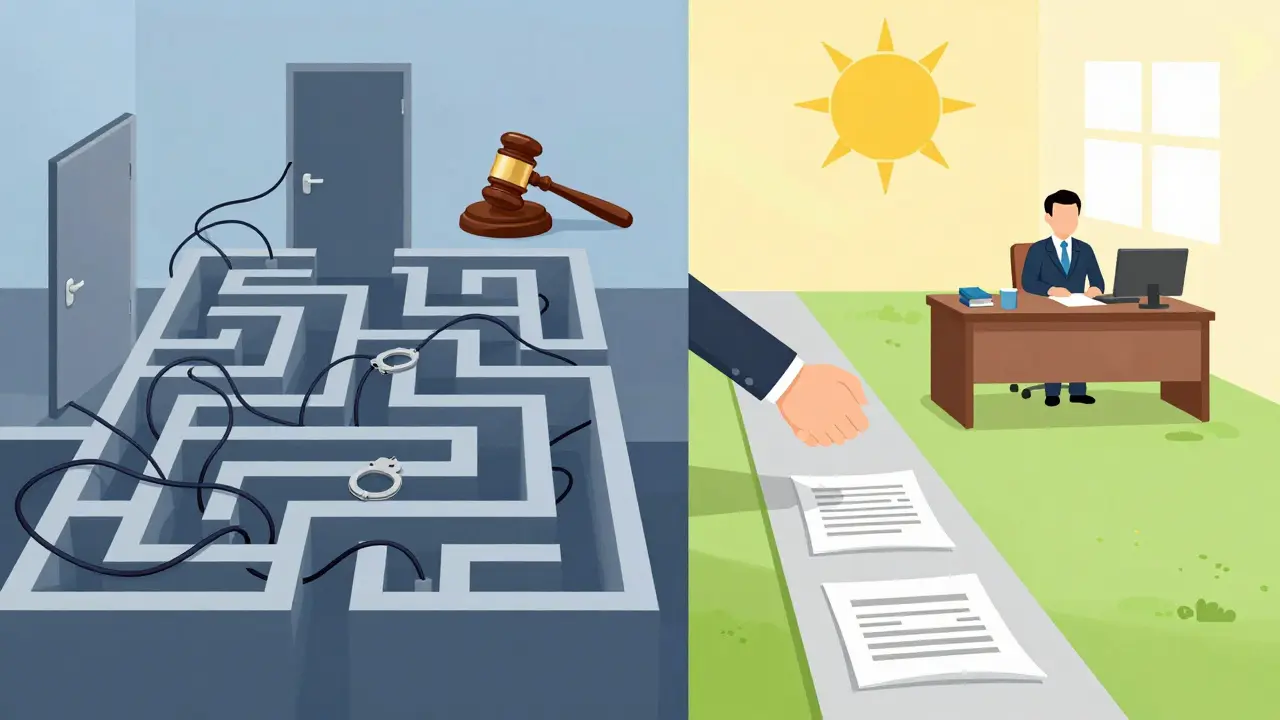
If detected, the consequences go beyond just paying back taxes. Regulatory frameworks like the Bank Secrecy Act (BSA) in the United States require strict reporting. Failure to report offshore crypto holdings can lead to criminal charges.
Here is what you face if caught:
- Asset Forfeiture: Authorities can seize your cryptocurrency holdings. This is not just about losing the money; it includes any profits made from those assets. In some cases, they may forfeit additional assets to cover legal costs.
- Monetary Fines: Penalties can be massive. Under the BSA, fines for willful violations can reach tens of thousands of dollars per violation. For large-scale evasion, these add up quickly.
- Imprisonment: Tax evasion and money laundering are felonies. Sentences can range from several years to decades, depending on the amount involved and the intent.
- International Cooperation: Countries share financial data through agreements like the Common Reporting Standard (CRS). If you hide assets in one jurisdiction, another country might report them to your home tax authority.
The Australian Transaction Reports and Analysis Centre (AUSTRAC) has been particularly aggressive, issuing suspicious matter reports for digital currency activities. They look for indicators like rapid movement of funds, structuring transactions to avoid thresholds, and using unregistered exchanges. Similar bodies exist in Europe and Asia, creating a global net.
Why Compliance Is No Longer Optional
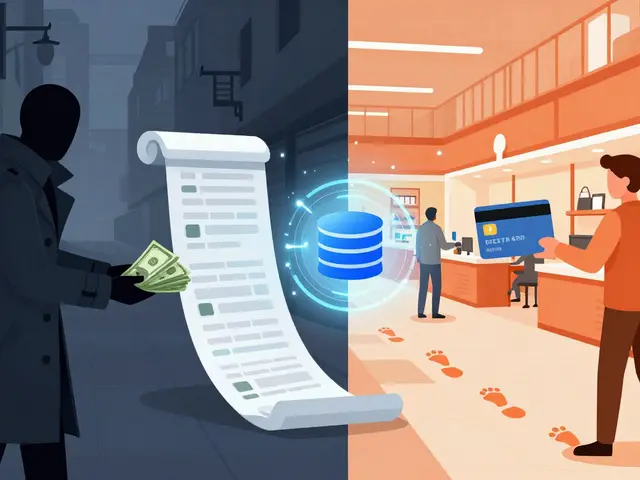
The regulatory landscape has shifted from observation to enforcement. Virtual Asset Service Providers (VASPs) are now required to implement robust AML/CFT programs. This means they monitor your transactions in real-time. Machine learning algorithms flag anomalies automatically.
For example, if you suddenly move a large amount of crypto to an offshore wallet after a period of inactivity, that triggers an alert. If you then use a VPN to access a foreign exchange, that adds another layer of suspicion. The combination of behavioral analysis and technical tracing makes it nearly impossible to maintain a secret offshore account over time.
Moreover, the definition of "taxable event" has expanded. In many jurisdictions, swapping one crypto for another, earning staking rewards, or receiving airdrops counts as income. Failing to report these events while holding them offshore compounds the legal risk. It’s not just about the principal amount; it’s about every transaction along the way.
What Should You Do Instead?
If you have offshore crypto holdings, the safest path is transparency. Consult with a tax attorney who specializes in digital assets. They can help you file necessary forms, such as the FBAR (Report of Foreign Bank and Financial Accounts) in the US, or equivalent disclosures in other countries. Voluntary disclosure programs often reduce penalties significantly compared to being caught by an audit.
Consider moving assets to compliant, regulated exchanges in your home jurisdiction. Yes, you lose some privacy, but you gain legal protection. The cost of maintaining secrecy-legal fees, potential prison time, and asset loss-far outweighs the benefits of avoiding taxes.
Remember, blockchain is immutable. Your past transactions are forever. Trying to outrun technology with legal loopholes is a losing strategy. The era of anonymous offshore crypto is over. Adapt to compliance, or face the consequences.
Can I still use offshore crypto accounts legally?
Yes, but only if you fully disclose them to tax authorities in your home country. Holding assets offshore is not illegal; failing to report them and pay taxes is. You must file appropriate forms like the FBAR in the US or similar declarations elsewhere. Transparency is key to legality.
Will using a VPN protect my offshore crypto activities?
No. While a VPN hides your IP address from casual observers, sophisticated investigators can correlate transaction timing, device fingerprints, and other metadata. Furthermore, using a VPN to access restricted services can itself raise red flags with exchanges and regulators.
Are privacy coins like Monero safe from detection?
Privacy coins offer better anonymity than transparent blockchains, but they are not foolproof. Many exchanges have delisted privacy coins due to regulatory pressure. Additionally, heuristic analysis can sometimes de-anonymize Monero transactions, especially at entry and exit points where fiat conversion occurs.
What happens if I am caught using a sanctioned mixer like Tornado Cash?
You risk severe legal consequences, including heavy fines and potential imprisonment. Interacting with sanctioned entities violates US sanctions laws, which apply extraterritorially in many cases. Your assets may be frozen or seized, and you could face criminal prosecution for aiding money laundering.
How do regulators find out about my crypto holdings?
Regulators use blockchain analytics firms that track transaction patterns. They also receive data from exchanges via KYC requirements. International cooperation agreements allow countries to share financial information. Suspicious activity reports filed by banks and exchanges can trigger investigations into your wallet addresses.

Write a comment