It is July 2026, and the landscape for cryptocurrency traders in Russia has shifted dramatically. If you are trying to move Bitcoin or altcoins into rubles, you likely hit a wall recently. The days of easily withdrawing large sums from ATMs after selling crypto are over. Since September 1, 2025, new regulations have made it significantly harder to convert digital assets into cash without triggering bank alarms.
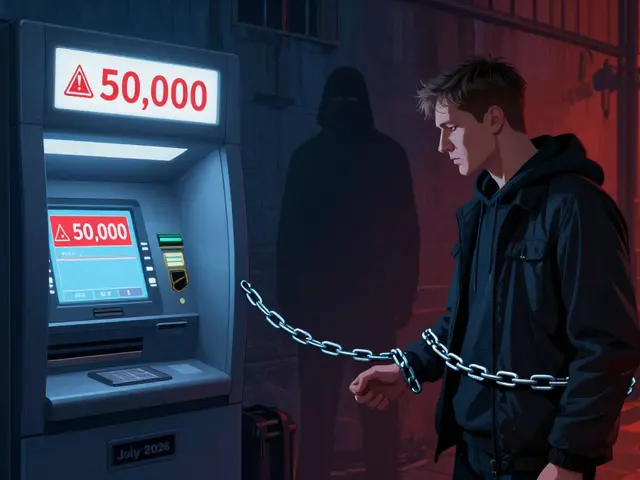
This isn't just about inconvenience; it is a structural change in how money moves in the country. The Central Bank of Russia (CBR) is the regulatory body that implemented strict cash withdrawal limits to combat fraud has effectively forced traders out of traditional banking channels for crypto-related transactions. With daily ATM withdrawals capped at 50,000 rubles ($600) for flagged accounts, the old methods simply do not work anymore. You need to understand the new rules, know which behaviors trigger bans, and learn the workarounds that are actually working right now.
The New Reality: How the 2025 Cash Restrictions Work
To navigate this, you first need to understand exactly what triggered these changes. In the second quarter of 2025 alone, the CBR reported 273,100 fraud cases totaling 6.3 billion rubles. This surge in financial crime prompted an aggressive response. The legislation effective September 1, 2025, empowers banks to monitor transaction patterns closely. When they detect suspicious activity, they impose a 48-hour cooling-off period with a hard cap on cash withdrawals.
The monitoring system is sophisticated. It does not just look at the amount of money moving. Banks flag specific behaviors that are common in crypto trading but rare in everyday spending. Here is what triggers the red flags:
- Unusual Withdrawal Amounts: Pulling out large sums that don't match your historical spending habits.
- ATM Usage Patterns: Using multiple ATMs in quick succession or visiting locations far from your usual area.
- Sudden Phone Activity Spikes: Receiving calls or messages from many new numbers shortly before a transaction.
- Mobile Banking Changes: Changing authorization numbers or device settings right before a transfer.
- Credit Limit Increases: Making withdrawals within 24 hours of registering for a loan or increasing a credit limit.
- Large Inter-Account Transfers: Moving more than 200,000 rubles between accounts without a clear commercial reason.
If any of these occur, your account gets restricted. For crypto traders who rely on liquidity, this is a nightmare. The restriction applies specifically to cash withdrawals, meaning your money is stuck in the digital account until the 48-hour period ends or the bank manually reviews your case, which can take weeks.
Why Traditional Exchanges Are Dead Ends
You might wonder why you cannot just use a local exchange. The reality is that centralized local exchanges have largely vanished or operate under such heavy scrutiny that they are unusable for most retail traders. Russia’s current regulatory framework operates under a complex experimental legal regime established for "qualified investors." This category includes individuals with investment portfolios exceeding 100 million rubles and annual incomes surpassing 50 million rubles.
For the average trader, this means there is no legal domestic infrastructure for buying or selling Bitcoin. The government encourages cryptocurrency use for international trade and sanctions evasion but strictly restricts its use for domestic payments. This dual stance creates a gray market where small exchange offices and peer-to-peer (P2P) platforms dominate. However, these entities rely heavily on cash transactions, which are now precisely what the CBR is targeting.
Russia’s position in global crypto adoption reflects this tension. According to Chainalysis’s 2025 Global Adoption Index, Russia fell from 7th place in 2024 to outside the top 10. Neighboring Ukraine also dropped, highlighting how geopolitical tensions and regulatory crackdowns impact usage. Despite this decline, demand remains high because citizens and companies still need alternative channels due to international sanctions.
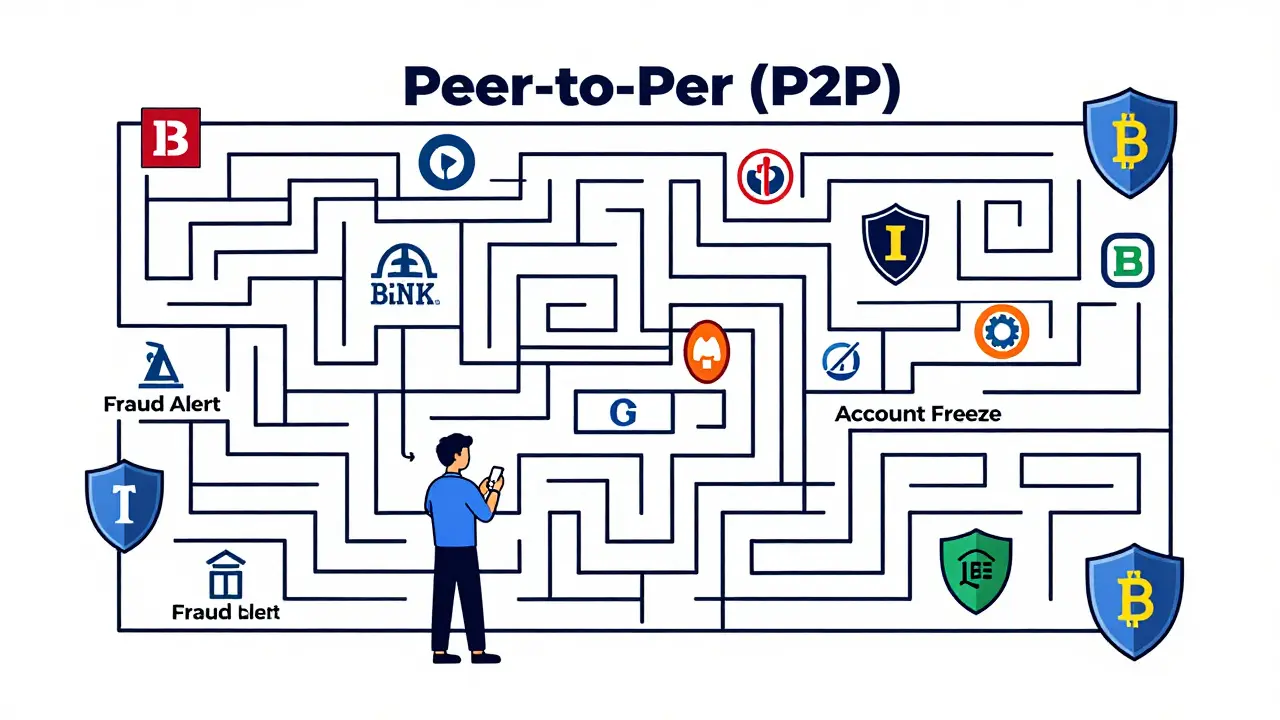
Workaround 1: Mastering Peer-to-Peer (P2P) Trading
With banks watching every ruble, Peer-to-Peer (P2P) Trading is a method where users buy and sell crypto directly with each other using escrow services on platforms like Bybit or HTX has become the primary lifeline for Russian traders. However, the old way of doing P2P-meeting in person with cash-is dead. You must adapt your strategy to survive the bank monitors.
Here is how successful traders are handling P2P in 2026:
- Use Multiple Bank Accounts: Never funnel all your crypto proceeds into one card. Spread trades across three to four different banks. If one gets flagged, the others remain accessible.
- Stick to Small, Frequent Trades: Instead of selling 10 BTC at once, sell 0.1 BTC ten times over several days. This keeps individual transactions below the radar of automated fraud detection systems.
- Avoid Cash Meets Entirely: Do not meet strangers to hand over cash. Use bank transfers only, and ensure the sender’s name matches their account details perfectly. Mismatches trigger immediate blocks.
- Build Merchant Reputation: On platforms like Bybit or HTX, aim to become a verified merchant. These users often have higher trust scores and may face less aggressive monitoring, though this is not guaranteed.
User reports from forums indicate that even with these precautions, large transactions are difficult. Traders often find themselves spreading sales over weeks to avoid the 50,000-ruble daily limit. It is slow, but it is safe.
Workaround 2: Foreign Platforms and Offshore Solutions
Since there is no explicit prohibition on acquiring cryptocurrency in Russia, many citizens are turning to foreign platforms. While access to some Western exchanges like Binance was limited earlier, other global platforms remain accessible via VPNs. The key here is to avoid linking your Russian bank cards directly to these foreign entities.
Instead, use intermediate steps. For example, you can use stablecoins like USDT to bridge the gap. Sell your Bitcoin for USDT on a foreign platform, then use a Russian-friendly P2P service to convert USDT to rubles via local bank transfers. This adds a layer of separation between your crypto holdings and your fiat currency, making it harder for banks to trace the origin of the funds as "crypto-related."
In August 2025, a group of Russian lawmakers urged the CBR to license domestic exchange networks, recognizing the growing demand for regulated local infrastructure. Until that happens, relying on offshore platforms requires caution. Always use strong security measures, including two-factor authentication and hardware wallets, to protect your assets from both hackers and potential state-level freezes.
Workaround 3: The Rise of Crypto-Enabled Banks?
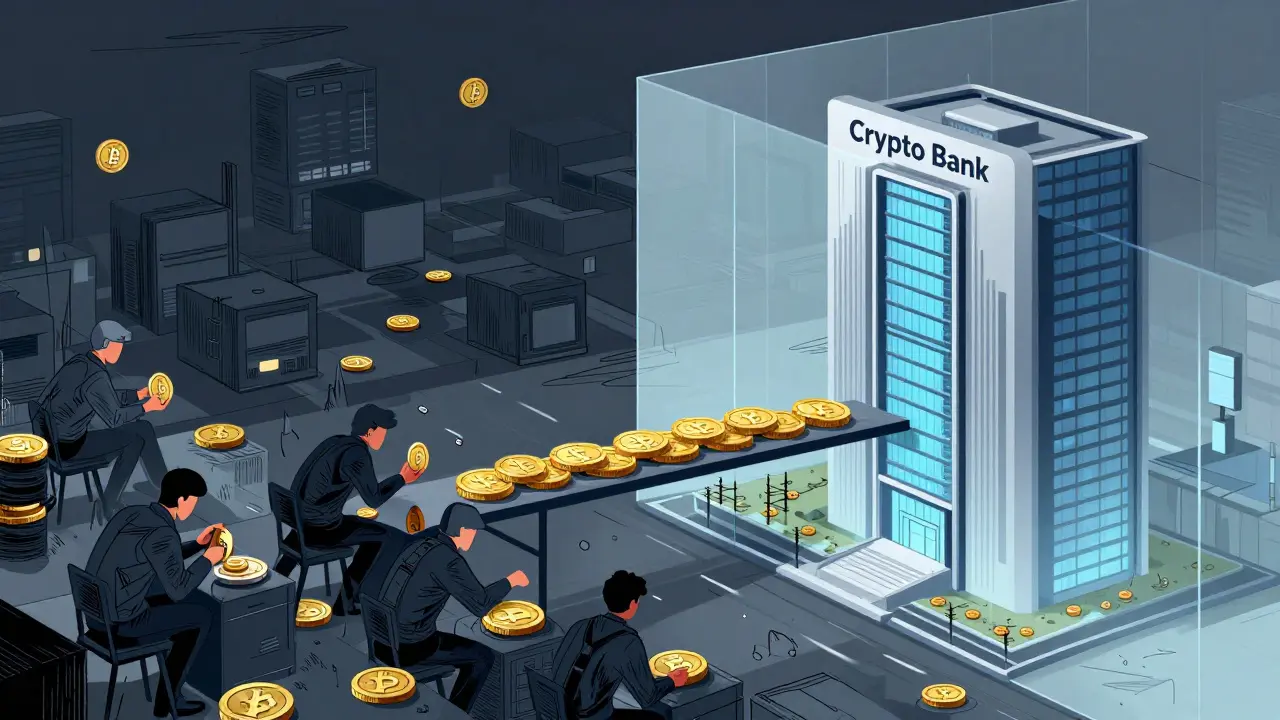
There is hope on the horizon, albeit distant. Evgeny Masharov, a member of the Russian Civic Chamber, has advocated for establishing a crypto-enabled bank similar to Belarus’s model. Such a bank would bring shadow transactions into legal frameworks, replenish federal budget income, and block criminal financing channels. This proposal specifically addresses the needs of cryptocurrency miners, who currently lack proper mechanisms to cash out their earnings.
As of early 2026, this idea is still in discussion. No official crypto bank has launched in Russia. However, the momentum suggests that the government recognizes the inefficiency of the current black-market-heavy system. For now, you cannot rely on this solution, but it indicates a potential shift toward institutionalizing crypto finance rather than banning it outright.
Impact on Miners and Regional Restrictions
If you are a miner, your situation is particularly tough. On January 1, 2025, mining restrictions were implemented in 10 out of 46 regions across Russia. Despite this, the industry continues to thrive, according to Vyacheslav Kopylov from Prostomining, who noted sustained growth at the Russia’s Blockchain Forum in June 2025.
However, liquidating mined coins is challenging. Miners previously relied on cash sales to local buyers. Now, those buyers are subject to the same bank restrictions. Miners must either join larger pools that offer direct fiat payouts through corporate accounts (which require significant capital) or navigate the P2P market themselves, facing the same risks as retail traders. The lack of infrastructure for cashing out earnings remains a critical bottleneck.
How to Protect Your Accounts from Being Frozen
Adapting to the new monitoring systems requires discipline. Companies and serious individual traders must maintain detailed transaction histories. Here are practical steps to reduce the risk of being flagged:
- Establish Regular Patterns: Try to make transactions at consistent times and amounts. Sudden spikes are the biggest trigger.
- Communicate with Your Bank: If you plan a large transaction, contact your bank manager beforehand. Explain the source of funds. While this does not guarantee approval, it can prevent automatic blocks.
- Avoid QR Code Payments for Large Sums: Banks flag QR code usage as potentially fraudulent if used for unusual amounts. Stick to standard card-to-card transfers.
- Do Not Change Device Settings Before Trades: Keep your mobile banking app on the same device with the same configuration. Changing phones or resetting passwords right before a trade raises suspicion.
The learning curve for adapting to these requirements varies. Established businesses report needing 2-3 months for complete operational adjustment. New entrants face longer periods of trial and error. Patience is essential.
Future Outlook: What to Expect in Late 2026
The regulatory environment will likely continue to favor institutional and qualified investors while limiting retail access. The success of the current cash withdrawal limitations in reducing fraud will influence future policies. If fraud rates drop significantly, the CBR may relax some restrictions. If not, expect tighter controls, possibly including mandatory reporting for all crypto-related transactions.
Industry analysts predict a tiered system emerging: one track for sanctioned international trade using crypto, and another heavily restricted track for domestic retail users. The government’s opposition to free circulation of decentralized digital currencies in the national economy remains firm. Therefore, do not expect Bitcoin to become legal tender or widely accepted for domestic payments anytime soon.
For now, the best strategy is diversification. Do not keep all your eggs in one basket. Use multiple banks, multiple P2P platforms, and consider holding stablecoins as a buffer against volatility and banking instability. Stay informed, stay small, and stay anonymous where possible.
Can I still withdraw cash from an ATM after selling Bitcoin in Russia?
Yes, but with severe limitations. If your bank detects suspicious activity related to your crypto sale, your daily ATM withdrawal limit will be capped at 50,000 rubles for 48 hours. To avoid this, spread your sales over time and use multiple bank accounts.
Are there any legal centralized crypto exchanges in Russia?
No, there are no fully licensed centralized exchanges for retail traders. The current experimental legal regime only applies to qualified investors with portfolios over 100 million rubles. Most traders use foreign platforms or P2P markets.
What triggers a bank account freeze for crypto traders?
Triggers include unusual withdrawal amounts, sudden spikes in phone activity, changing mobile banking settings before a transaction, and transferring more than 200,000 rubles between accounts without a clear reason. Banks use automated systems to detect these patterns.
Is it safer to use P2P platforms or foreign exchanges?
P2P platforms are generally safer for converting crypto to rubles because they allow you to control the payment method. Foreign exchanges are useful for holding assets but risky for direct fiat conversion due to sanctions and banking blocks. Always use intermediaries like USDT when moving between them.
Will Russia introduce a crypto bank in 2026?
As of mid-2026, no crypto bank has been launched. Proposals exist, such as those by Evgeny Masharov, but they remain under discussion. Do not count on this infrastructure being available soon. Plan your trading around existing P2P and foreign platform options.
How do regional mining restrictions affect my ability to sell Bitcoin?
Regional restrictions limit where you can mine, but not necessarily where you can sell. However, the lack of local cash-out infrastructure makes selling difficult. Miners often have to use P2P platforms like regular traders, facing the same bank monitoring risks. Joining large mining pools with corporate payout options is a better long-term strategy.
Logan Edmison
its kinda wild how they just decided to ban the whole thing without fixing the underlying banking issues first 🤔 like if you cant trust your own banks not to freeze your money why should anyone trust crypto?
Kat Barr
Oh my gosh!! This is so stressful for everyone involved 😱😱 I can't imagine having to split up my trades into tiny little pieces just to keep my account safe!!! It sounds like a full-time job just to move money around!!! But hey, at least there are workarounds right??? Stay strong everyone!!! 💪💖✨
Michelle Walker
You're missing the point. The CBR isn't trying to stop trading. They are stopping fraud. If you have nothing to hide you don't need to worry about these rules. Stop whining.
Shay Thomson
Wait... hold on... this feels incredibly dramatic and unfair all at once! 😲 It's like the entire financial system is holding its breath! I mean, who would have thought that buying some digital coins could turn into such a high-stakes game of cat and mouse with the government?! It's terrifying but also kind of fascinating in a dystopian way!
DJ Maleko
I bet half of you guys are doing it wrong anyway 🤣 You think changing your phone settings before a trade is smart? Banks aren't stupid. They see everything. You need to be smarter than the algorithm or you get frozen. Simple as that. 🧊📉
Erika Pozzetto
It is quite interesting to observe the regulatory landscape shifting in such a manner because one must consider the broader implications for financial stability and the potential long-term effects on individual investors who may find themselves caught in the crossfire of these new policies which seem to prioritize security over accessibility in ways that could potentially stifle innovation and growth within the sector overall while also raising questions about the efficacy of such measures in actually reducing fraud rates significantly enough to justify the inconvenience caused to legitimate users of these platforms.
Russ Fincham
The logic here is flawed. You say use multiple banks but then the central bank shares data. So really you're just spreading your risk across multiple points of failure. Not exactly a robust strategy for serious capital preservation.
Deep Rahman
When we look at the big picture of money and trust it seems like people are always looking for a way out of the system that controls them and maybe that is why crypto keeps coming back even when governments try to squeeze it out because deep down people want freedom from the rules that feel too tight and too strict and maybe that is what this is really about not just money but control.
Melissa Beckwith
I've been following the Chainalysis reports closely and it's evident that the drop in adoption index is directly correlated with the increased friction in off-ramping fiat currency. Most retail traders lack the sophisticated infrastructure to navigate these P2P networks safely, leading to a significant portion of assets being locked or lost to scams due to the lack of regulated intermediaries, which ultimately creates a two-tiered system where only the wealthy 'qualified investors' can participate legally and efficiently.
Josephine Finlayson
Please be careful out there!!! It is very important to take your time and follow the steps outlined in the article!!! Don't rush into transactions!!! Take a deep breath and plan ahead!!! You've got this!!! 💕✨
Tuan Nguyen
Average retail traders will never understand the nuances of macroeconomic policy. They just want quick profits and ignore the systemic risks. It's pathetic really.
Hazel Fruitman
this is just another way for the gov to control us and make our lives harder while they keep their secrets hidden away