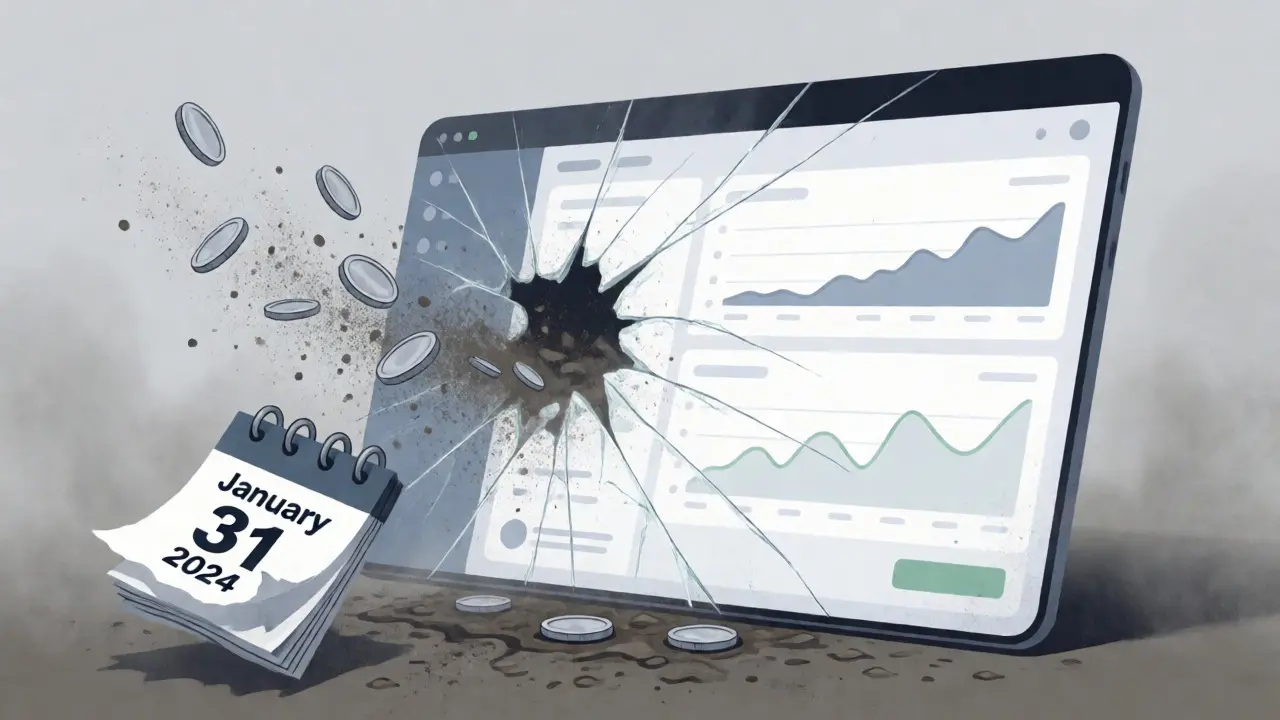
You probably saw the name SouthXchange in an old list of "best exchanges" or maybe you have some dusty coins sitting in a wallet that used to connect to it. Here is the hard truth right up front: SouthXchange is no longer operating as a live trading platform. According to CoinMarketCap data from late 2023, the exchange concluded all operational activities, deactivated deposits and trading, and set a final deadline of January 31, 2024, for users to withdraw remaining funds.
If you are reading this in September 2026, you are likely here for one of two reasons: you are doing historical research on early crypto platforms, or you are trying to figure out what happened to assets left behind. This guide breaks down exactly what SouthXchange was, why it mattered, where its weaknesses lay, and what you need to know if you still have ties to the platform.
The Rise and Fall of a Regional Pioneer
SouthXchange wasn't just another copycat exchange. It was founded in Argentina by PRO-Systems, a company incorporated under Argentinian law. The team reportedly started working with cryptocurrencies back in 2012, but the actual platform launched in 2015. For a long time, it held a respectable niche position. In 2019, it even won the "Best Crypto Exchange in South America" award at the ADVFN International Financial Awards.
Why did people use it? Mostly for access. While major global exchanges like Binance or Coinbase focused on the top 50 coins, SouthXchange listed over 200 cryptocurrencies. If you were hunting for obscure altcoins that weren't available elsewhere, this was often your best bet. The interface was simple, mobile-friendly, and designed not to waste your time. But simplicity came at a cost.
Critical Status Update: Is It Dead?
This is the most important section for anyone holding funds. As of the latest authoritative updates, SouthXchange has ceased operations. The official notice stated that deposits and trading were deactivated, and users had until January 31, 2024, to withdraw any remaining balances.
- Trading: Completely halted. You cannot buy or sell new pairs.
- Deposits: Deactivated. New money couldn't enter the system after the announcement.
- Withdrawals: Were allowed during the wind-down period, but missing the January 2024 deadline creates significant complications for asset recovery.
If you missed the withdrawal window, your situation depends on whether PRO-Systems kept backend servers running for legacy accounts. There is no public roadmap for a revival. Treat this as a defunct entity unless you receive direct communication from their support team.
Fees and Costs: The Hidden Trap
Marketing materials for SouthXchange often touted "low fees." But when you dig into the numbers, the reality was different. Most reviews, including those from ZenLedger and CryptoWisser, pointed out that the taker fee was 0.30%. For context, major competitors like Binance or Kraken often offer maker/taker fees significantly lower than this, especially for high-volume traders.
| Feature | SouthXchange (Historical) | Industry Average (Major Exchanges) |
|---|---|---|
| Taker Fee | 0.30% | 0.10% - 0.20% |
| Maker Fee | ~0.15% - 0.20% | 0.00% - 0.10% |
| Regulation | Unregulated / Self-regulated | Licensed in multiple jurisdictions |
| Supported Coins | 200+ | Varies (100 - 500+) |
The 0.30% taker fee might sound small, but it adds up fast. If you traded $10,000 worth of Bitcoin, you paid $30 in fees per trade. On a low-margin strategy, that eats your profit alive. Plus, withdrawal fees varied by coin and were sometimes higher than average due to network congestion management.
Security and Trust Issues
Security is always the elephant in the room with smaller exchanges. SouthXchange implemented standard measures: Two-Factor Authentication (2FA), encrypted data transmission, and cold storage for the majority of user funds. These are basic hygiene requirements for any exchange in 2026, let alone 2019.
However, the biggest red flag was regulation. WikiBit and other reviewers explicitly noted that SouthXchange operated without formal regulatory oversight. It wasn't licensed by major bodies like the SEC in the US or FCA in the UK. This meant that if something went wrong-like a hack or a liquidity crisis-you had little legal recourse.
User sentiment reflected this uncertainty. A Trustpilot rating hovered around 2.1/5 based on limited reviews. Users frequently complained about low liquidity, which means large orders could move the price against them (slippage). Others cited a lack of transparency regarding the development team. When you can't easily find out who runs the company, trust erodes quickly.
Who Was It Actually Good For?
Despite its flaws, SouthXchange served a specific purpose. It was ideal for:
- Altcoin Hunters: Traders looking for micro-cap coins before they hit major exchanges.
- South American Users: Its regional focus made fiat on-ramps more accessible for users in Argentina and neighboring countries compared to global giants.
- Long-Term Holders: If you bought a coin and planned to hold it for years, the trading fees mattered less.
It was terrible for:
- Day Traders: Low liquidity and higher fees made active trading expensive and difficult.
- Institutional Investors: Lack of regulation and insurance made it risky for large capital deployments.
- US Residents: Regulatory ambiguity often made compliance tricky for American taxpayers using unregulated offshore exchanges.
What To Do If You Have Funds Left
If you still have crypto stuck on SouthXchange, don't panic, but act fast. Since the official withdrawal deadline passed in early 2024, standard automated withdrawals may no longer work.
- Contact Support Immediately: Email [email protected] (or check their website for current contact info). Explain your situation clearly.
- Check Your Wallet History: Did you ever link an external wallet? Sometimes partial withdrawals happen automatically.
- Consider Legal Options: If the amount is significant, consult a local attorney familiar with digital assets in Argentina or your jurisdiction.
- Document Everything: Keep screenshots of your balance, transaction history, and any emails sent to support.
Be prepared for delays. Smaller exchanges often have understaffed support teams, especially when winding down operations.
Is SouthXchange a scam?
No, SouthXchange was not a scam. It was a legitimate business registered in Argentina that operated for nearly a decade. However, like many smaller exchanges, it struggled with liquidity and competition, leading to its eventual shutdown. The key distinction is that it didn't steal funds intentionally; it simply ceased operations.
Can I still trade on SouthXchange in 2026?
No. Trading functions were deactivated prior to the January 2024 deadline. The platform is effectively closed for new activity. You cannot buy, sell, or deposit new funds.
What happens if I missed the withdrawal deadline?
If you missed the January 31, 2024 deadline, your funds are likely frozen. You must contact customer support directly to request manual processing. Success is not guaranteed, and there may be administrative fees involved in recovering dormant assets.
Was SouthXchange regulated?
SouthXchange operated largely without formal regulatory licensing in major jurisdictions like the US or EU. It was incorporated in Argentina but functioned as a self-regulated entity, which posed higher risks for users compared to fully licensed exchanges.
Which alternatives should I use now?
For similar altcoin access, consider exchanges like Gate.io, KuCoin, or MEXC, which maintain extensive listings. For better security and regulation, look at Coinbase, Kraken, or Bitstamp, depending on your location and needs.
Write a comment