Block Reward: What It Is, How It Works, and Why It Matters in Crypto
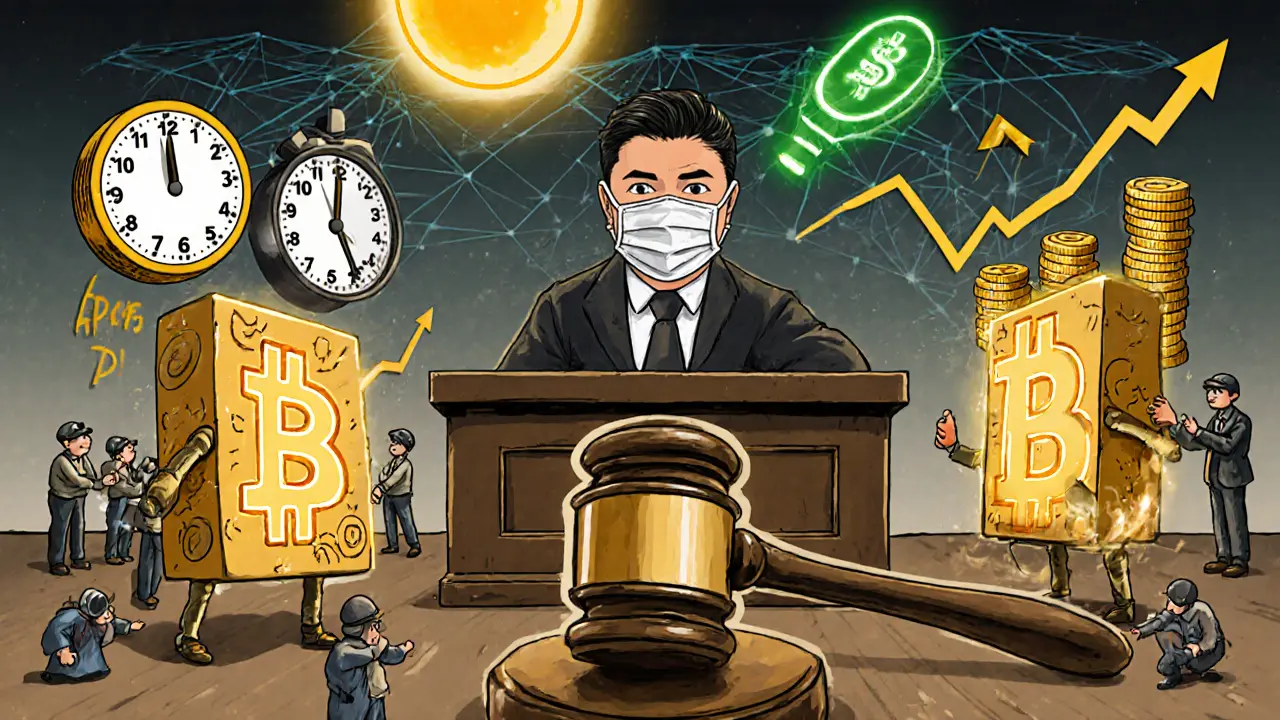
When you hear about block reward, the digital payment given to miners or validators for adding a new block to the blockchain. It's not a bonus—it's the engine that keeps networks like Bitcoin and Ethereum running. Without it, no one would spend money on hardware, electricity, or time to verify transactions. This system turns security into a self-sustaining economy. Think of it like a toll booth that pays the guard not just to collect fees, but to make sure no one cheats the system.
Block reward is tied to proof-of-work, a consensus method where miners compete to solve complex math puzzles. mining is how Bitcoin was built, and even today, it's the backbone of many major blockchains. Each time a miner finds the right solution, they get a fixed number of coins as a reward—plus any transaction fees from that block. But it’s not the same everywhere. In proof-of-stake, a different system where validators are chosen based on how much crypto they lock up, the reward isn’t called a block reward—it’s often called a validator reward—but it serves the same purpose: pay people to keep the network honest.
Here’s the catch: block rewards shrink over time. Bitcoin started with 50 BTC per block, then halved to 25, then 12.5, and now it’s 3.125. This isn’t a bug—it’s by design. The total supply of Bitcoin is capped at 21 million, and the decreasing reward ensures no one can flood the market with new coins. That’s why people care so much about the next halving. It doesn’t just change miner profits—it affects the whole market’s perception of scarcity. Meanwhile, networks like Ethereum moved away from mining entirely, replacing block rewards with staking incentives. That shift changed everything: less energy use, different economics, and new risks like slashing penalties if validators misbehave.
Block reward isn’t just about mining rigs or staking wallets. It’s about trust. When you hold Bitcoin or any coin that uses this system, you’re relying on people getting paid to do the boring, expensive work of protecting your money. If rewards drop too fast, miners leave. If they’re too high, inflation eats away at value. The sweet spot is what keeps blockchains alive. That’s why every post in this collection—whether it’s about Upbit’s fines, TradeOgre’s seizure, or slashing in proof-of-stake—connects back to this one idea: incentives drive behavior. And in crypto, the right incentives mean security. The wrong ones? They lead to scams, shutdowns, and lost funds.
What you’ll find below aren’t just articles about coins or exchanges—they’re stories about how block reward shapes the entire ecosystem. From airdrop scams that exploit new users to DeFi protocols that depend on stable incentives, everything ties back to who gets paid, how much, and why. You don’t need to be a miner to understand this. But if you own crypto, you’re already part of the system.