Blockchain Audit Pricing: What It Costs and Who Pays
When you hear blockchain audit pricing, the cost of reviewing a blockchain project for security flaws, bugs, and vulnerabilities before launch. Also known as smart contract audit, it's not a luxury—it's the bare minimum before you let users touch your code. A single overlooked bug can drain millions in minutes. Just look at the 2022 Ronin Bridge hack—$625 million gone because a key signature check was missing. That’s why serious projects don’t skip audits. They budget for them like insurance.
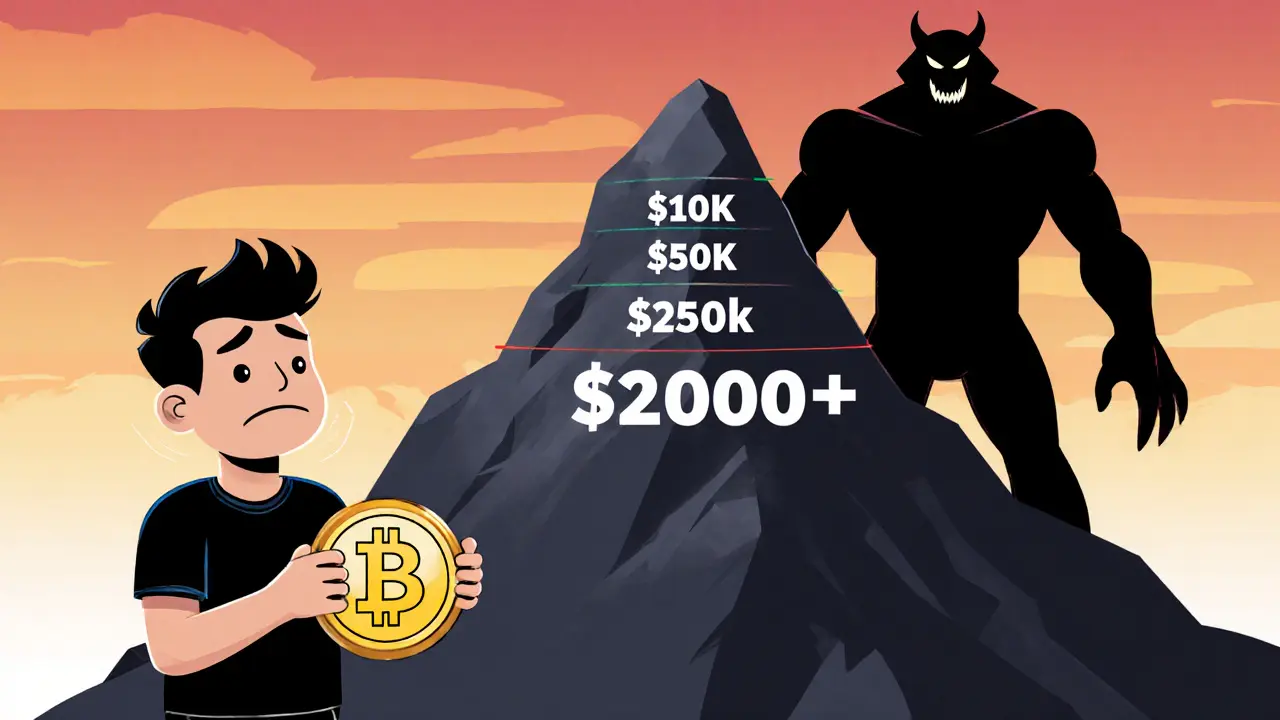
So what goes into the price? It’s not just about lines of code. A basic smart contract audit, a focused review of a single DeFi protocol’s core functions might run $5,000–$15,000. But if you’re building a multi-chain wallet with cross-chain bridges, tokenomics, and governance, you’re looking at $50,000–$200,000. Why the jump? Complexity. The more moving parts, the more attack surfaces. Auditors spend weeks reverse-engineering logic, simulating exploits, and testing edge cases no one thought of. Top firms like CertiK, Quantstamp, and OpenZeppelin charge more because they’ve caught real exploits before—like the one in 2023 that would’ve wiped out $180 million in a DeFi lending pool.
It’s not just about the auditor’s reputation either. The blockchain security, the practice of protecting decentralized systems from exploits, theft, and manipulation landscape changes fast. What was safe last year might be exploitable today. That’s why some audits come with a 30-day follow-up, or even a bounty program. And don’t assume a big name means you’re safe—some firms have been caught missing obvious flaws. The best audits include detailed reports, not just a green checkmark. You need to see exactly what was tested, what wasn’t, and why.
Who pays? Usually, the project team—whether it’s a startup raising funds or a legacy company trying to tokenize assets. But here’s the truth: if you’re a user, you’re paying too. Every time you connect your wallet to a poorly audited dApp, you’re risking your funds. That’s why exchanges like Binance and Coinbase only list tokens with public audit reports. And why investors demand them before writing a check.
There’s no one-size-fits-all price. But here’s the rule: if your project handles real money, you’re not saving money by skipping the audit—you’re just gambling. The cheapest audit is still cheaper than losing everything. Below, you’ll find real cases where audits caught critical flaws, others where they didn’t, and the hidden costs of cutting corners.