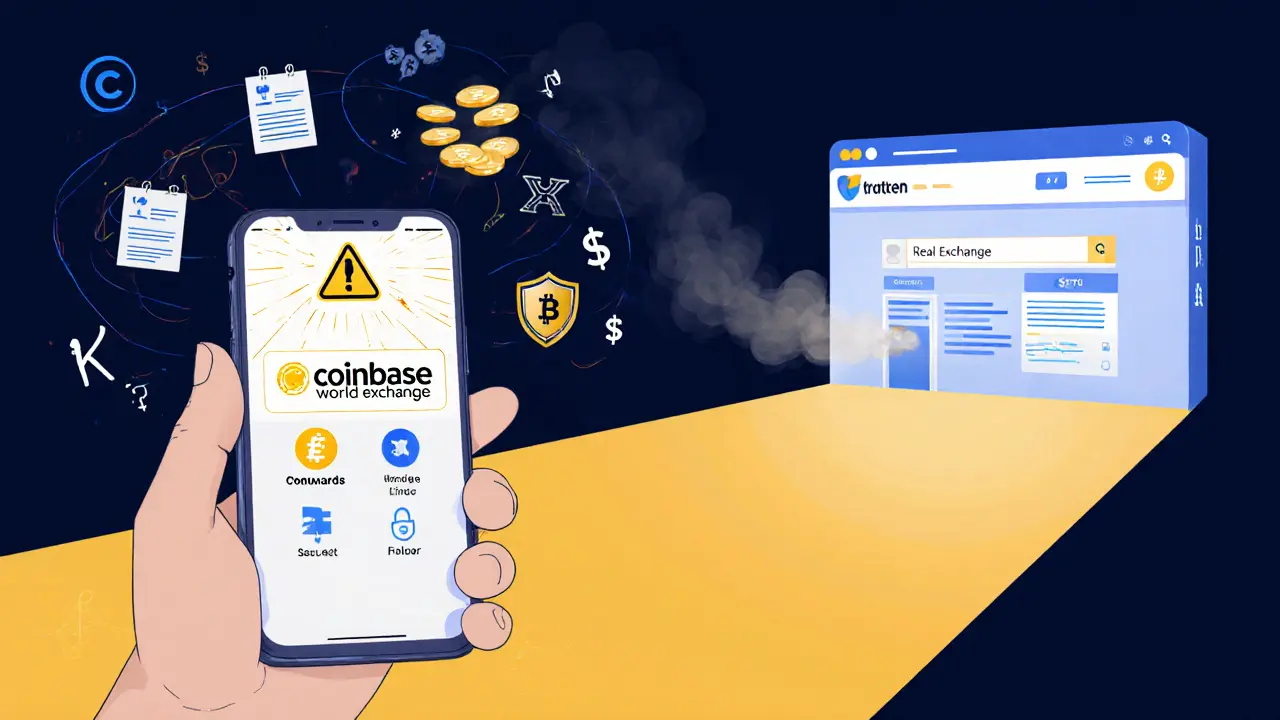
Crypto Trading: What It Really Means and How to Avoid Common Traps
When you hear crypto trading, the act of buying and selling digital assets like Bitcoin or Ethereum on exchanges or decentralized platforms. Also known as digital asset trading, it’s not just about timing the market—it’s about understanding who controls the system, where your money actually goes, and how easily you can lose it. Most people think crypto trading is like stock trading, but it’s not. There’s no central bank, no guaranteed settlement, and no safety net. One wrong move on a fake exchange, and your funds vanish without a trace.
That’s why knowing the difference between a real cryptocurrency exchange, a platform where you can buy, sell, or swap digital currencies, often with KYC verification and a scam site matters. Platforms like Upbit and Poloniex used to be trusted, but regulatory crackdowns forced them to change—or shut down. Canada seized $40 million from TradeOgre because it didn’t verify users. South Korea slapped Upbit with $34 billion in potential fines for skipping KYC. These aren’t warnings—they’re real consequences. If you trade on a platform that doesn’t ask for ID, you’re already playing with fire.
And it’s not just exchanges. DeFi, a system of financial tools built on blockchains without middlemen, like lending or liquidity pools looks tempting—you earn interest, trade tokens, and feel like a pioneer. But impermanent loss can wipe out your gains even when prices go up. Slashing penalties can punish your staking. And most DeFi protocols? They’re barely audited. You’re trusting code written by anonymous devs with no accountability. That’s not innovation—it’s gambling with your crypto.
Then there’s the noise: fake airdrops, meme coins with zero utility, and platforms like LongBit or AnimeSwap that don’t even exist. People chase $100 returns on BULEI or CovidToken, not realizing these are designed to steal your wallet keys. Real trading isn’t about chasing hype—it’s about knowing what’s verified, what’s risky, and what’s just a scam dressed up as opportunity.
What you’ll find here isn’t fluff. It’s the real stories behind the trades—the exchanges that got shut down, the tokens that collapsed, the airdrops that never happened, and the security steps that actually work. No theory. No guesswork. Just what happened, why it matters, and how to protect yourself before you click "buy".