DAO Treasury: What It Is, How It Works, and Why It Matters in Crypto
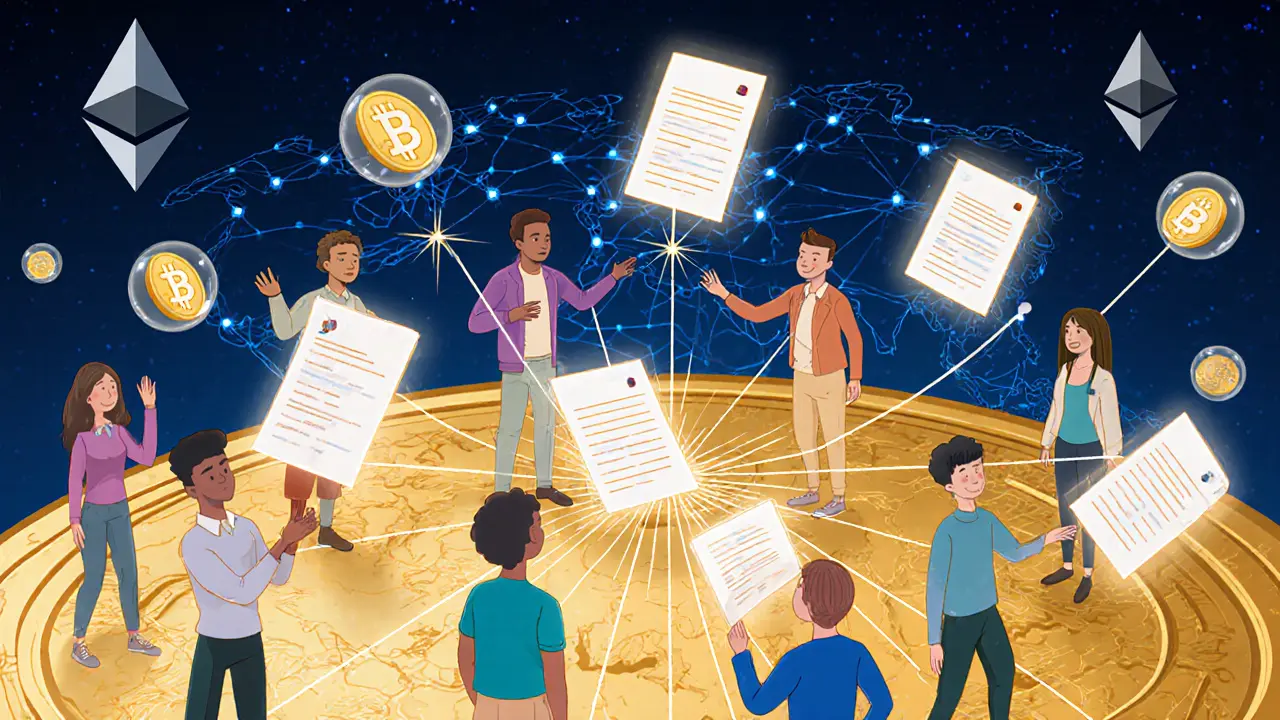
When you hear DAO treasury, the pooled digital assets controlled by a decentralized autonomous organization through smart contracts and member votes. Also known as governance wallet, it’s the financial heart of any blockchain project that claims to be community-run. Unlike a traditional company bank account, no single person owns or can move the money. Instead, every decision—whether to pay a developer, buy more crypto, or fund a marketing campaign—needs approval from token holders. This isn’t theory. It’s how projects like Gitcoin, ConstitutionDAO, and even early Uniswap have spent millions.
But here’s the catch: a DAO treasury, the pooled digital assets controlled by a decentralized autonomous organization through smart contracts and member votes. Also known as governance wallet, it’s the financial heart of any blockchain project that claims to be community-run. is only as strong as its rules. If the voting system is easy to manipulate, or if too few people hold the tokens needed to vote, then the treasury becomes a target. That’s why you see so many posts about fake airdrops and shady exchanges. Scammers know people are looking for free crypto. They create fake DAOs with empty treasuries, then trick you into sending your own funds to "unlock" rewards. The smart contract funds, digital assets locked in code that execute actions only when predefined conditions are met. Also known as on-chain wallets, these are the backbone of trustless systems. can’t be hacked—but the people using them can be fooled.
Real DAO treasuries don’t promise free tokens. They track spending publicly. You can see every transaction on the blockchain. That’s why posts about Upbit’s $34B fine or Canada seizing $40M from TradeOgre matter. They show how regulators are starting to盯 (focus on) the money trails—even in crypto. If a project’s treasury has no clear history, no audits, and no way to verify who voted on what, it’s not decentralized. It’s a front.
You’ll find posts here that break down real cases: how BABY tokens were distributed, why RUNE.GAME’s airdrop is long closed, and why CovidToken doesn’t exist. These aren’t just warnings. They’re lessons. A DAO treasury isn’t magic. It’s code, votes, and accountability. And if any of those pieces are missing, the whole thing falls apart. What follows are real stories from people who got burned—and those who learned how to protect themselves.