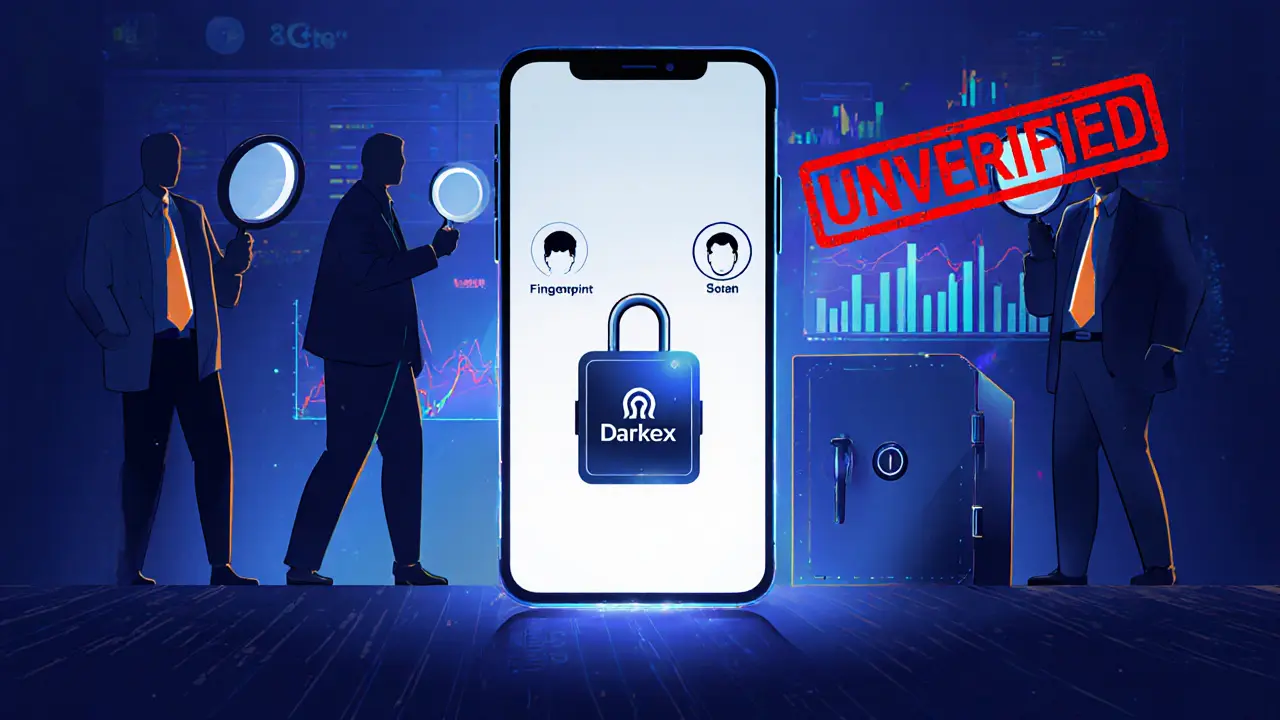
Darkex Security: Real Risks, Scams, and How to Stay Safe on Crypto Exchanges
When you hear Darkex security, a name that pops up in shady forums and fake Telegram groups claiming to be a secure crypto exchange. Also known as DarkEx, it’s not a real platform—it’s a ghost brand used by scammers to steal crypto. No official website, no registered company, no audit records. Just fake screenshots, fake testimonials, and stolen logos from real exchanges. If someone tells you Darkex is safe or offers high yields, they’re either lying or don’t know what they’re talking about.
Real crypto exchanges like Upbit, South Korea’s largest regulated platform that faced $34 billion in fines for failing KYC checks or TradeOgre, a privacy-focused exchange seized by Canadian authorities for operating without compliance, get shut down for breaking rules. But Darkex? It never even tried to follow them. That’s the whole point. Scammers build fake exchanges like Darkex to look real long enough to drain wallets, then vanish. They copy the UI of Poloniex or Bitsonic, steal their branding, and run fake airdrops to lure you in. One click, and your keys are gone.
Look at the pattern: LongBit, a fake exchange with zero reviews or audits, got exposed. AnimeSwap, a non-existent Sui DEX, was a phishing site. CovidToken, a made-up airdrop? Scam. Darkex fits right in. These aren’t glitches—they’re a business model. The same people who run fake airdrops for HGT or HAPPY are behind Darkex. They count on you being rushed, excited, or confused. They don’t need to hack you. You give them your wallet seed phrase willingly.
Security isn’t about fancy tech. It’s about asking simple questions: Is this exchange listed on CoinMarketCap? Does it have a public team? Are there real user reviews from 2024 or 2025? Does it support KYC? If the answer to any of those is no, walk away. Real exchanges like Shadow Exchange on Sonic or KyberSwap on Avalanche don’t hide. They publish audits, support teams, and clear terms. Fake ones like Darkex don’t even have a support email that works.
What you’ll find below isn’t just a list of articles. It’s a map of the crypto minefield. You’ll see how Canada seized $40 million from TradeOgre, why Upbit got crushed by regulators, and how even DeFi platforms like Moola Market struggle with trust. You’ll learn how to spot a fake airdrop before you click, how to protect your wallet from slashing risks, and why digital ownership means owning your keys—not trusting some anonymous site called Darkex. These aren’t theory pieces. They’re survival guides written after real losses. Read them before you send another dollar.