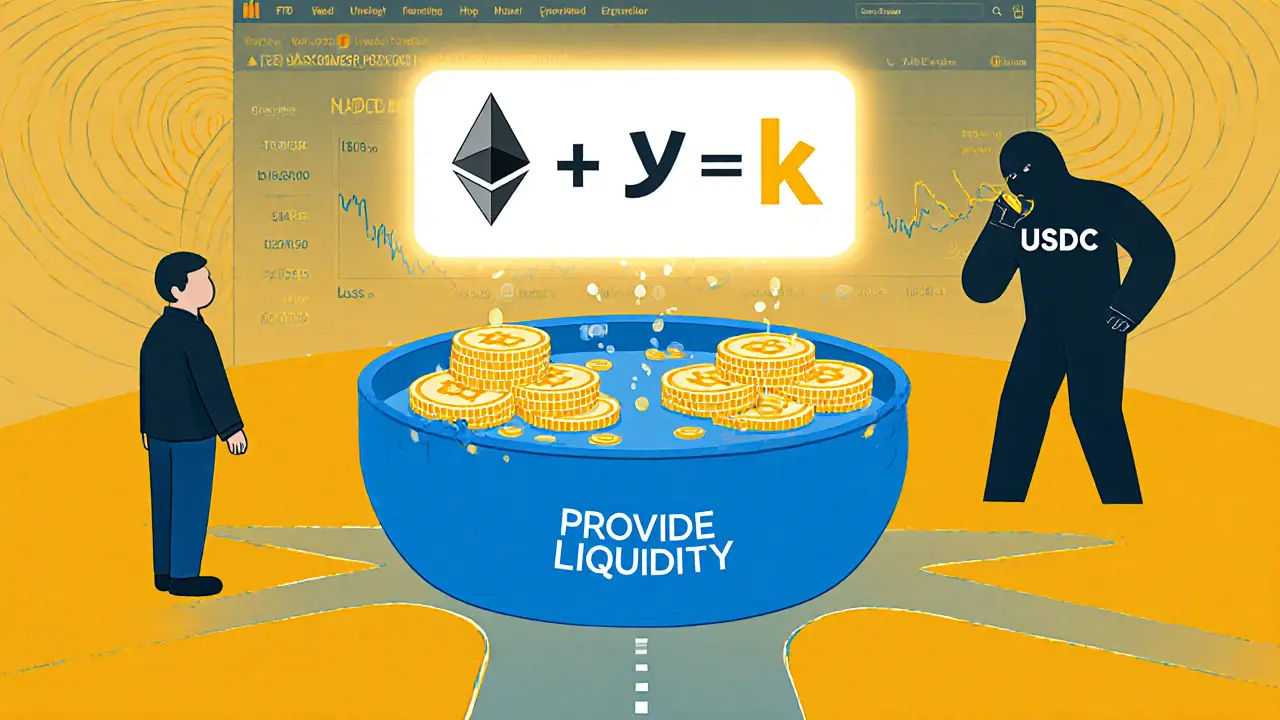
DeFi Risks: What You Need to Know Before You Stake Your Crypto
When you put your money into DeFi, decentralized finance systems that let you lend, borrow, or trade without banks. Also known as decentralized finance, it gives you control—but also full responsibility for what goes wrong. There’s no customer service line. No refund policy. If something breaks, your cash is gone for good.
Most smart contract bugs, coding errors in the automated agreements that run DeFi apps aren’t dramatic hacks. They’re simple mistakes—like a missing check that lets someone drain a whole pool. We’ve seen it happen with Moola Market and KyberSwap Classic: tiny flaws, massive losses. And liquidity pools, the pools of crypto locked up to enable trades aren’t safe just because they’re big. If the project is fake, or the team vanishes, your tokens become worthless overnight. That’s not speculation—it’s what happened with BULEI, CFL365, and HappyFans. The token price didn’t drop—it hit zero.
Then there’s the crypto scams, fake projects pretending to be real DeFi platforms. LongBit, AnimeSwap, and HyperGraph don’t exist. They’re websites built to steal your seed phrase. They don’t need to hack anything—just trick you into connecting your wallet. Once you do, your funds vanish. These aren’t edge cases. They’re the norm. Even big names like Upbit and TradeOgre got crushed under regulatory pressure, showing how fast the rules can change—and how unprepared most DeFi users are.
You won’t find safety in hype. You won’t find it in TikTok influencers promising 10x returns. Real DeFi safety means checking audits, understanding the code, and asking: Who’s behind this? What happens if they disappear? Why is this token trading at $0.0001 with no volume? The posts below don’t sugarcoat it. They show you exactly what went wrong with real projects—so you don’t become another statistic.