DEX Liquidity: What It Is and Why It Matters in Crypto Trading
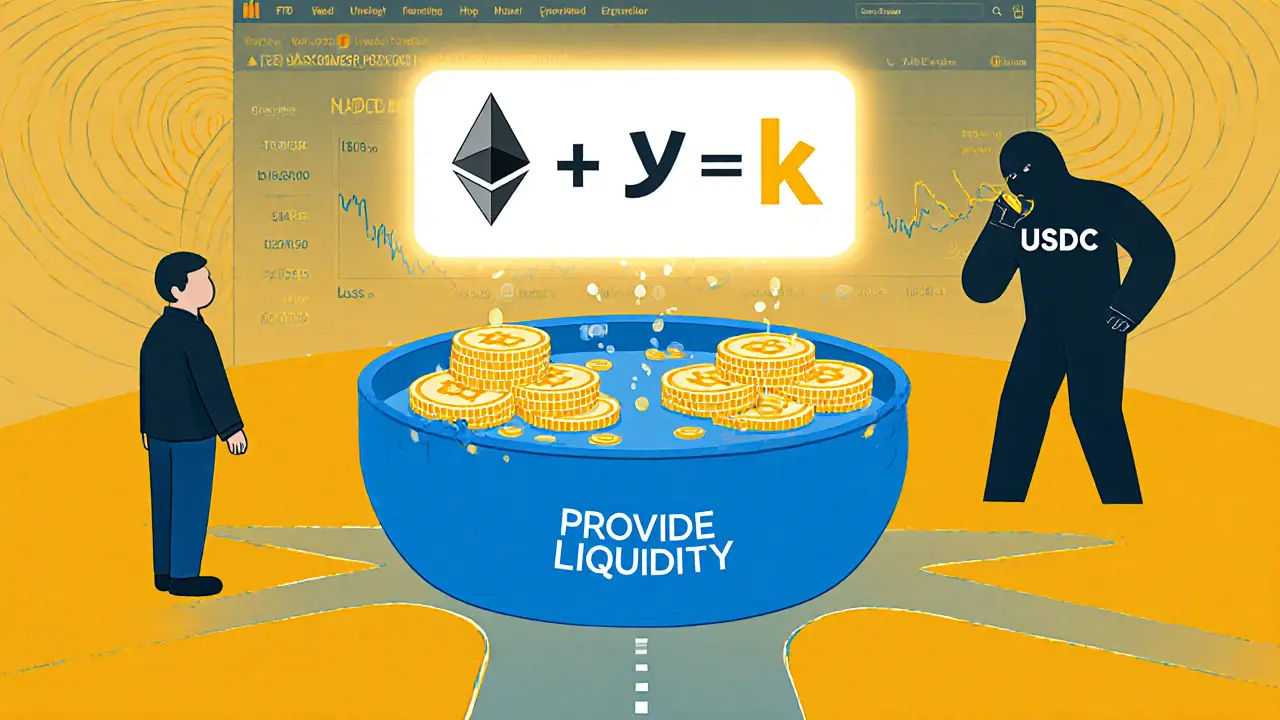
When you trade crypto on a decentralized exchange, a platform that lets you swap tokens without a middleman. Also known as a DEX, it runs on smart contracts—not banks or companies. But none of it works without DEX liquidity, the pool of tokens locked in to make trades possible. Think of it like a shared wallet everyone contributes to, so you can trade one coin for another instantly, no matter how small or obscure the token is.
Without enough liquidity, your trade either doesn’t go through or slams the price sideways. That’s why projects like Shadow Exchange, a fast DEX on the Sonic blockchain and KyberSwap Classic, a niche swap tool on Avalanche focus so hard on attracting users to lock up their tokens. It’s not just about volume—it’s about stability. A deep liquidity pool means smaller price swings, lower slippage, and real trust. And that’s why scams like fake exchanges (LongBit, AnimeSwap) never have real liquidity—they can’t afford it, and they don’t need it. They just want your login details.
Most people think liquidity is just for big players, but it’s actually the reason you can trade a meme coin like BEBE or a gaming token like TSUGT at all. Even if those tokens are risky, someone had to put up the other side of the trade. That’s the power of liquidity pools, smart contract-based reserves that match buyers and sellers automatically. But here’s the catch: if nobody adds to the pool, it dries up. That’s what happened to SOVRUN and CFL365—no real users, no real liquidity, no future. Real DeFi projects like Moola Market and RadioShack RADS rely on this system to function. They don’t just hope for liquidity—they build incentives for it.
And that’s why you’ll find posts here about exchanges that actually work (Shadow Exchange, Libre), ones that barely exist (AnimeSwap, LongBit), and tokens that vanished because no one cared enough to keep the pools full. You’ll see how regulation (Upbit, TradeOgre) and scams (CovidToken, HyperGraph) exploit the lack of transparency around liquidity. You’ll learn what to look for when you trade: real volume, real users, real locked funds—not just a flashy website and a promise of free tokens. This isn’t theory. It’s survival in crypto. The next time you swap tokens, ask: who’s backing this? And are they still there?