Liquidity Provision in Crypto: What It Is and Why It Matters
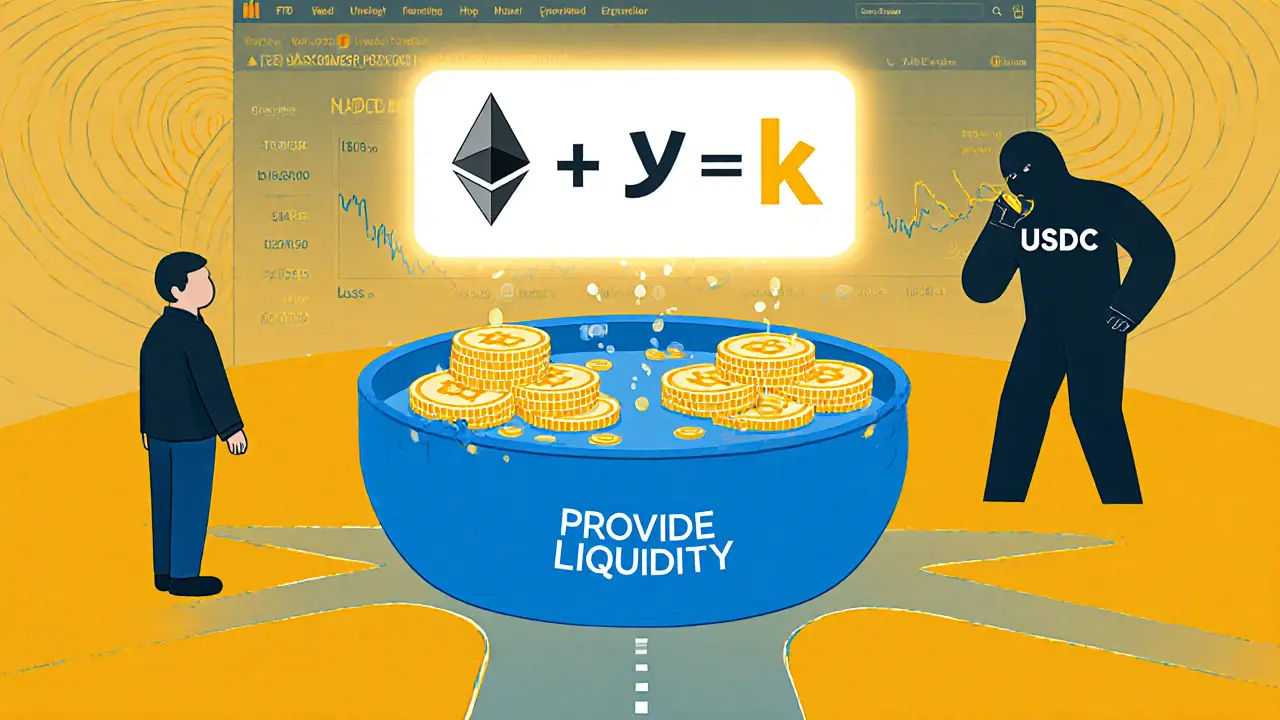
When you hear liquidity provision, the act of supplying crypto assets to a trading pool so others can buy and sell them. Also known as providing liquidity, it’s how decentralized exchanges like Uniswap or Shadow Exchange stay active without middlemen. Without it, trading slows down, prices jump wildly, and users can’t swap tokens at all.
Liquidity provision isn’t just for big investors. Regular users can join liquidity pools, smart contract-based reserves where two tokens are locked together to enable trades and earn fees every time someone swaps. But it’s not free money. You’re exposed to impermanent loss, when the value of your deposited tokens shifts compared to holding them outside the pool. That’s why many of the posts here warn about risky tokens like BULEI or CFL365—low liquidity means big losses if the price drops.
Most of the exchanges and DeFi protocols mentioned in these posts rely on liquidity provision to function. KyberSwap Classic, Shadow Exchange, and even RadioShack (RADS) on Celo all need users to lock up tokens so trades can happen smoothly. But if no one provides liquidity, the platform dies. That’s why projects like Moola Market struggle—they can’t attract enough users to keep their lending pools full. And when liquidity vanishes, so does trust.
Some platforms reward liquidity providers with extra tokens, like airdrops or governance rights. But as seen with the ONUS and RUNE.GAME airdrops, those rewards often vanish after the hype dies. The real value isn’t in chasing free tokens—it’s in understanding how liquidity moves markets. If you’re thinking about joining a pool, check the volume, the token’s history, and whether the project has real users—not just a website and a whitepaper.
Behind every successful DeFi platform is a group of people who put their crypto on the line. Whether you’re supplying cUSD on Celo, BTC on Libre, or WAVAX on KyberSwap, you’re not just trading—you’re keeping the system alive. But the risks are real. That’s why the posts here don’t just list opportunities—they show you what happens when things go wrong. Below, you’ll find real cases of failed projects, hidden risks, and the quiet truths behind the crypto liquidity game.