Proof of Stake: How It Works and Why It Matters for Crypto Security
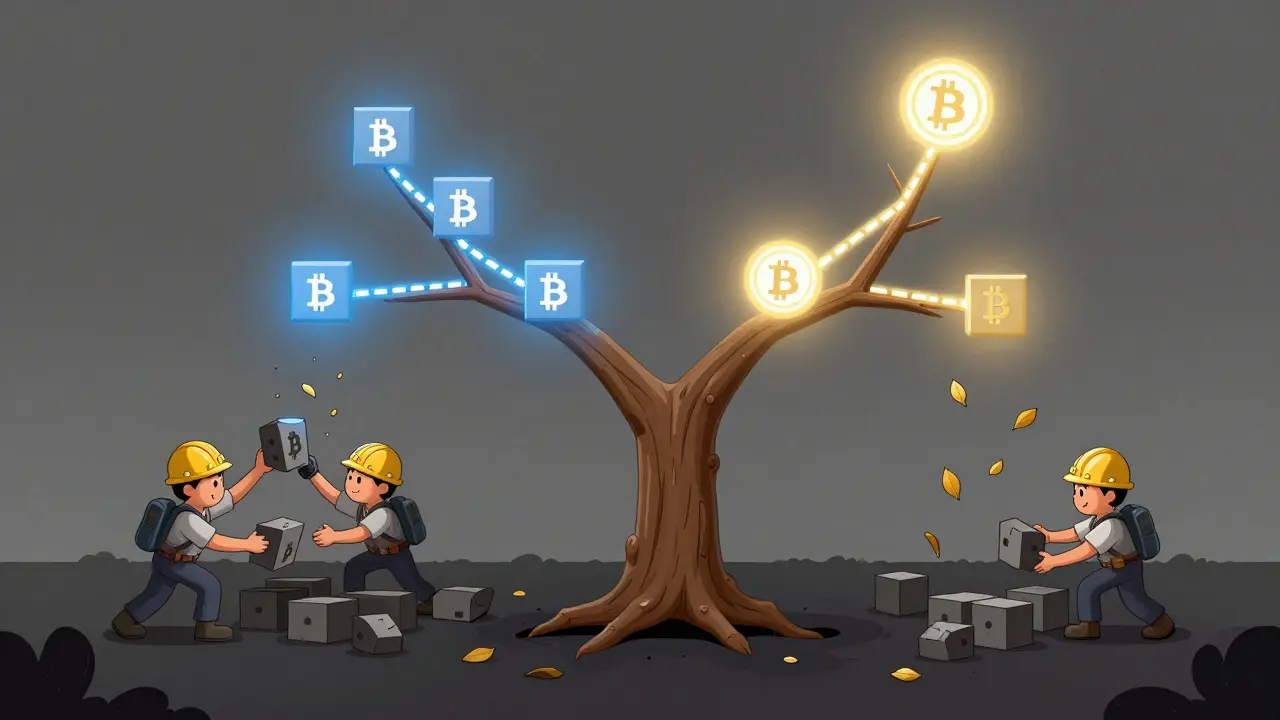
When you hear proof of stake, a consensus mechanism that lets blockchain networks validate transactions using locked-up crypto instead of mining power. Also known as PoS, it’s what keeps networks like Ethereum, Solana, and Cardano running without burning electricity like old-school Bitcoin mining. Instead of powerful computers solving math puzzles, proof of stake picks validators based on how much crypto they’re willing to lock up—called staking. The more you stake, the higher your chance to be chosen to verify the next block and earn rewards. It’s simpler, cheaper, and way greener.
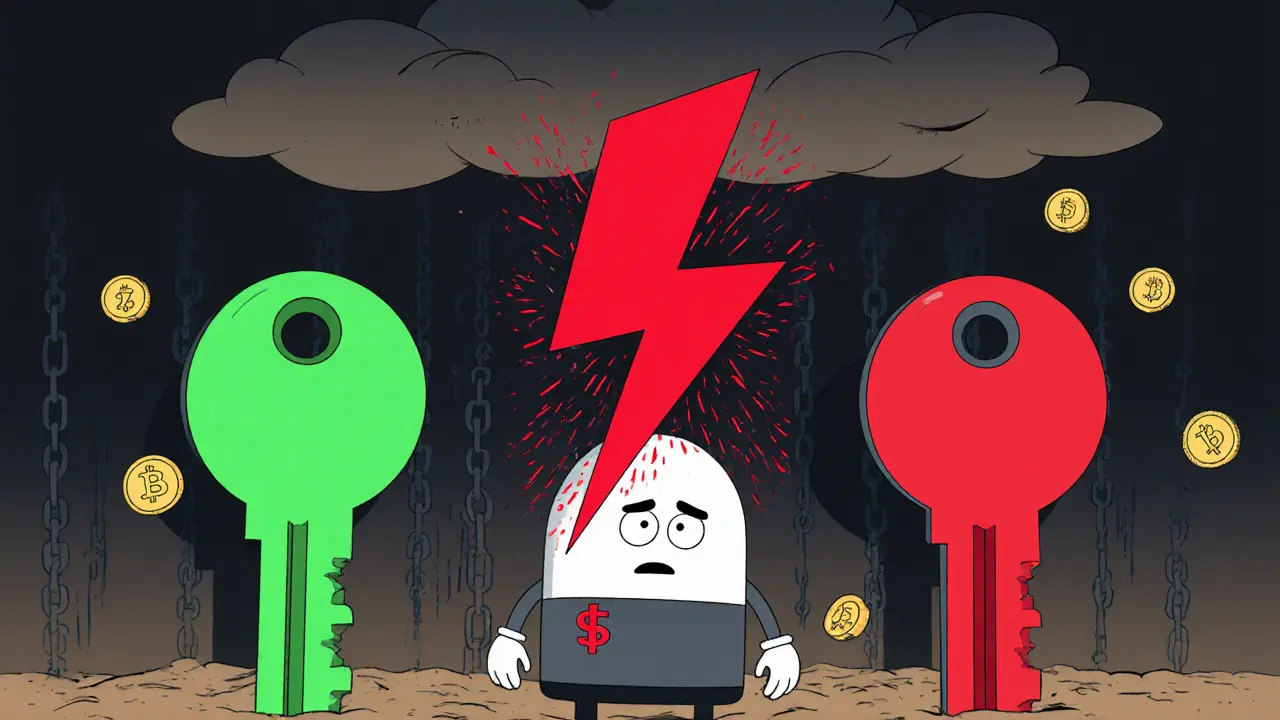
But it’s not all smooth sailing. If you stake, you need to know about slashing, a penalty that takes away part of your staked crypto if you act maliciously or make critical errors. Double signing, going offline too long, or running unsecured software can trigger it. That’s why secure key management and reliable validator setups matter. And it’s not just about tech—validator, the person or entity that runs the software to confirm transactions on a proof-of-stake network—is a role that’s becoming more important as more users join staking pools or run their own nodes. You’re not just earning crypto; you’re helping secure the network.
Proof of stake isn’t just a technical upgrade—it’s reshaping who controls crypto. It lowers the barrier to entry. You don’t need a warehouse full of ASICs to participate. You just need some tokens and a decent internet connection. That’s why so many people are staking ETH, SOL, or ATOM today. But it also brings new risks. Fake staking services, poorly coded wallets, and scams pretending to be official staking portals are everywhere. That’s why the posts below cover real-world cases: how to avoid slashing, what happens when validators fail, and why some staking platforms are outright scams. You’ll find guides on securing your keys, understanding rewards, and spotting fake airdrops tied to staking programs. This isn’t theory. It’s what’s happening right now on the chains you use.