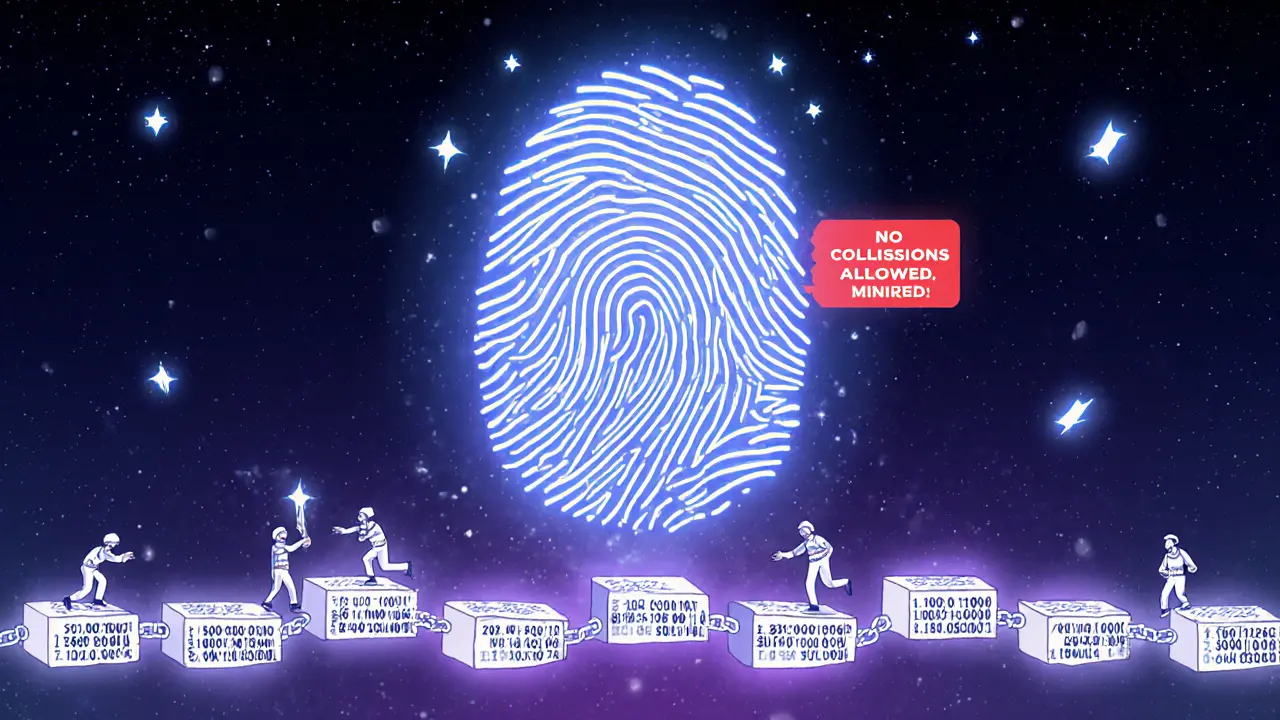
Proof-of-Work: How Blockchain Mining Keeps Crypto Secure
When you hear about Proof-of-Work, a consensus mechanism that secures blockchain networks by requiring computational effort to validate transactions. It's the reason Bitcoin exists without a bank, and why miners around the world run powerful machines 24/7. This system doesn’t trust people—it trusts math and electricity. Every time a new block is added to the chain, miners solve a complex puzzle. The first to solve it gets rewarded in crypto. It’s not magic. It’s competition powered by hardware, energy, and code.
Proof-of-Work is closely tied to blockchain mining, the process of using specialized computers to verify and record transactions on a decentralized network. Without mining, there’s no trust. No one can double-spend. No one can rewrite history. That’s why Bitcoin’s network is so hard to attack—it would take more computing power than most countries combined. But it’s not perfect. Bitcoin mining, the original and most energy-intensive use of Proof-of-Work draws criticism for its electricity use. Yet, many still rely on it because it’s battle-tested. Since 2009, it’s never been broken.
Proof-of-Work also connects to consensus algorithm, the rules that let distributed computers agree on a single truth without a central authority. It’s one of the oldest, but not the only one. Others like Proof-of-Stake are gaining ground. Still, Proof-of-Work remains the foundation for the largest crypto networks. You’ll find posts here about how mining affects regulations, why some countries ban it, and how costs and electricity prices shape who can mine and who can’t. Some posts even show how mining rigs are being repurposed or shut down under new laws. Others dig into the real cost of security—how much energy, money, and time it takes to keep a blockchain running.
What you’ll see below aren’t theory papers. These are real stories: fines for crypto payments in Vietnam, frozen assets in the Philippines, mining restrictions in Nigeria, and audits that cost hundreds of thousands. They all tie back to one thing: how Proof-of-Work shapes the rules, risks, and realities of crypto today. Whether you’re curious about why Bitcoin still uses it, or how mining affects global policy, you’ll find answers here—not guesses, not hype. Just facts from the front lines.