Stablecoin Algeria: What You Need to Know About Crypto Payments in Algeria
When people in Algeria talk about stablecoin, a type of cryptocurrency designed to hold a stable value, usually tied to a fiat currency like the US dollar. Also known as digital fiat token, it lets users send and store value without the wild price swings of Bitcoin or Ethereum. In Algeria, where banking access is limited and the local currency faces pressure, stablecoins aren’t just a tech trend—they’re a lifeline. People use them to pay for goods, send money abroad, or protect savings from inflation, all without needing a traditional bank.
Stablecoins in Algeria connect to real-world needs. You won’t find them on big exchanges like Binance or Coinbase there—local regulations block most foreign platforms. But that hasn’t stopped people from using them. Instead, peer-to-peer trading on Telegram groups, WhatsApp networks, and local crypto marketplaces keeps the flow going. cUSD, a stablecoin built on the Celo blockchain, optimized for mobile users in emerging economies is one of the most popular because it works on basic smartphones and has low fees. Another common one is USDT, Tether’s dollar-backed token, widely accepted across global crypto networks, even if it’s harder to get legally. These aren’t just digital cash—they’re tools for survival in an economy where banks often freeze accounts or refuse foreign transfers.
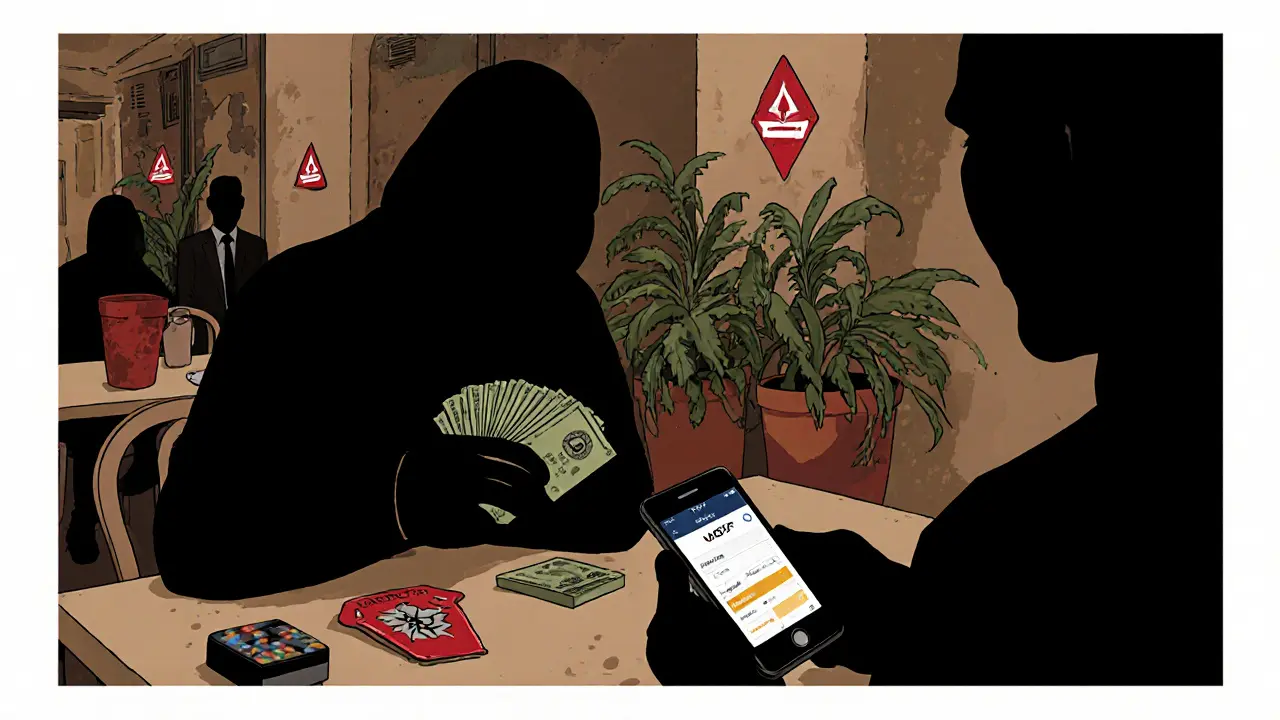
But here’s the catch: no one’s regulating this. Algeria officially banned crypto transactions in 2018, and the government still treats any use of digital currencies as illegal. That means no consumer protection, no refunds if you get scammed, and no legal recourse if your wallet gets hacked. Most of the posts you’ll find below expose exactly this: fake airdrops pretending to be Algerian stablecoin projects, scam exchanges claiming to support local payments, and misleading guides that promise easy money. The truth? The only people winning are the scammers. Real users are just trying to get by. Below, you’ll see real cases—like how a fake "Algeria Stablecoin Airdrop" turned into a phishing trap, or how someone lost $2,000 sending USDT to a fake local trader. These aren’t hypotheticals. They’re daily realities.
What you’ll find here isn’t hype. It’s hard-won experience. No fluff. No promises. Just what’s actually happening on the ground in Algeria when it comes to stablecoins—how people use them, who’s trying to steal from them, and how to stay safe without a safety net.