So, you’ve heard about Tapbit and are wondering if it’s worth your time or money. Maybe you saw an ad promising low fees, or a friend mentioned its copy-trading features. It sounds great on paper: hundreds of coins, easy interfaces, and the promise of high returns. But here is the kicker-when you dig into the numbers, things get a bit murky. Is this a hidden gem for cost-conscious traders, or a risky playground with thin liquidity? This review cuts through the marketing noise to give you the real deal on what Tapbit offers in late 2026.
What Exactly Is Tapbit?
Tapbit is a cryptocurrency exchange and forex brokerage platform that provides spot trading, derivatives, and copy-trading services to users in over 190 countries. Founded around 2018-2021 (sources vary slightly on the exact launch date), it positions itself as a comprehensive hub for both retail and institutional traders. The platform boasts access to more than 700 cryptocurrencies and over 500 trading pairs. The core appeal lies in its accessibility. You can trade standard spot pairs like Bitcoin against USDT, but you can also jump into perpetual futures contracts with leverage up to 150×. For those who prefer not to manage their own trades, there’s a copy-trading feature where you mirror the moves of experienced traders. Plus, they offer "Tapbit Earn" products for passive income. However, unlike giants like Binance or Coinbase, Tapbit operates without regulation from major financial authorities like the SEC or FCA, which is a critical detail we’ll discuss later.
Fees and Trading Costs
Let’s talk money, because that’s usually why people switch exchanges. Tapbit markets itself heavily on low fees. For spot trading, you’re looking at a flat rate of 0.1% for both makers and takers. If you move into derivatives, the rates drop further: maker fees start as low as 0.01%, while taker fees sit at 0.06%. These numbers are competitive, arguably better than many mid-tier exchanges. But there’s a catch. Most top exchanges have tiered fee structures where your costs drop significantly as your trading volume increases. Tapbit does not offer these user levels. So, if you are a high-volume trader, you might find yourself paying more per transaction compared to competitors who reward heavy usage. Also, keep in mind that deposit and withdrawal methods include crypto transfers and card options, but minimums vary by asset. Always check the specific coin’s withdrawal fee before moving large amounts, as network fees can sometimes outweigh the trading savings.
Liquidity and Volume: The Hidden Risk
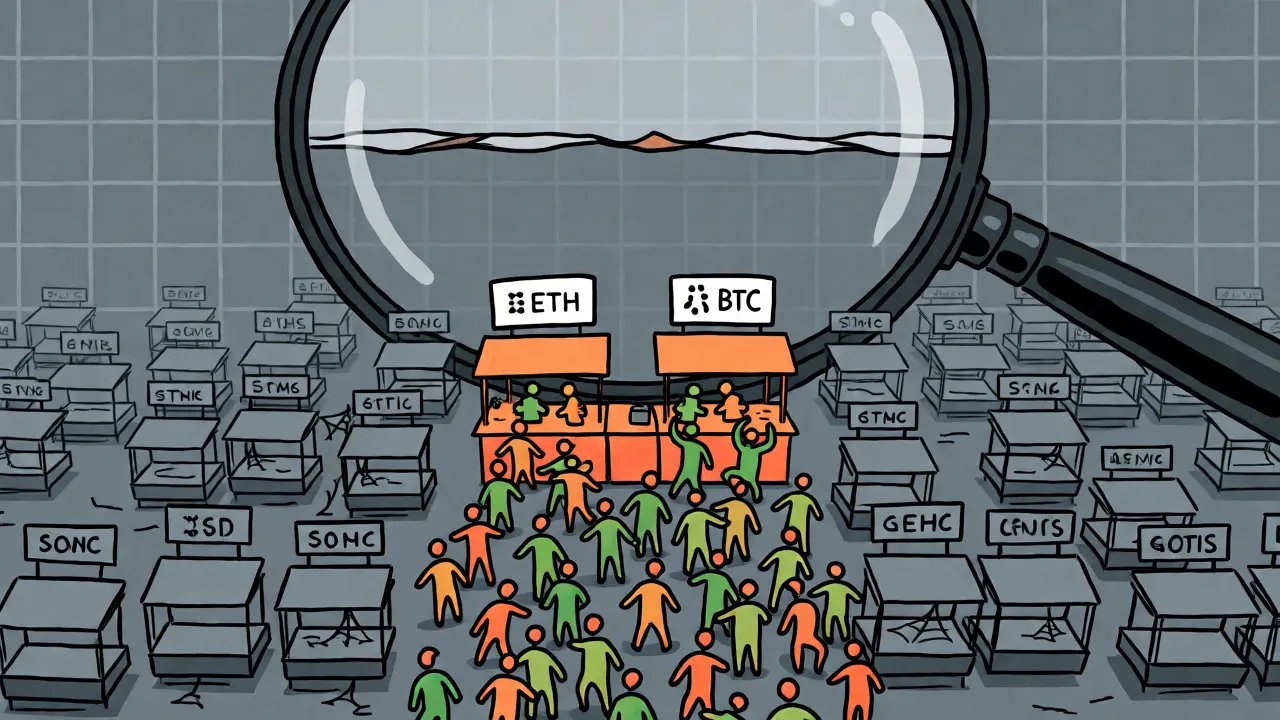
This is where the rubber meets the road. A low fee means nothing if you can’t buy or sell your asset at the price you see. Data from aggregators like CoinGecko shows Tapbit lists roughly 412 tokens across 425 pairs, though live counts suggest closer to 500 active markets. Sounds good, right? Not exactly. Liquidity on Tapbit is heavily concentrated. Approximately 45% of the trading volume flows through ETH/USDT, and another 17% through BTC/USDT. That leaves very little depth for the other hundreds of altcoins listed. If you try to trade a smaller-cap token, you might face significant slippage-the difference between the expected price and the actual execution price. DeFiLlama data highlights dangerously low exchange reserves for Tapbit-tagged wallets, with only $184,000 in Ethereum and $60,000 in Bitcoin visible on-chain. For a centralized exchange claiming billions in volume, these reserves seem surprisingly thin. This creates a risk: during market volatility, you might struggle to exit positions quickly without moving the price against yourself.
| Metric | Tapbit | Binance (Reference) | Kraken (Reference) |
|---|---|---|---|
| Regulatory Status | Unregulated / Offshore | Regulated in multiple jurisdictions | Heavily regulated (US/EU) |
| Spot Fee (Maker/Taker) | 0.1% Flat | Tiered (starts ~0.1%, drops to 0.02%) | Tiered (starts ~0.16%, drops lower) |
| Liquidity Depth | Thin outside top pairs | Very Deep | Deep |
| Max Leverage | Up to 150× | Up to 125× (varies) | Up to 50× (varies) |
| Insurance Fund Claim | $40 Million (Unverified) | SAFU Fund ($1B+) | Cold Storage Focus |
User Experience and Interface
If you’ve ever used Binance, Tapbit will feel familiar. The interface mirrors Binance’s design closely, which is a double-edged sword. On one hand, it’s intuitive for anyone who has traded on major platforms. On the other, some controls copied from Binance don’t actually work on Tapbit, and crucial widgets like open interest indicators for perpetual contracts have been removed. This lack of transparency can be frustrating for advanced traders who rely on that data for risk management. For beginners, the learning curve is moderate. The app and web platform are clean, but educational resources are sparse. There isn’t a robust academy or detailed tutorials comparable to larger exchanges. Customer support is available 24/7 via email and live chat, but there is no phone support. If you encounter an urgent issue, waiting for a chat response might not cut it. Reviews often mention mixed experiences with customer service responsiveness, so patience is key.
Security and Trustworthiness
Is your money safe? Tapbit claims to use multi-layered security, including cold storage for most funds, mandatory two-factor authentication (2FA), and encryption protocols. They also advertise a $40 million insurance fund to protect users against hacks or operational failures. While this sounds reassuring, independent verification of this fund’s existence and accessibility is difficult to confirm. Unlike Binance’s SAFU fund, which is publicly audited and transparent, Tapbit’s insurance claim lacks public proof. Trustworthiness ratings from industry analysts hover around 4 out of 10. The primary concern is the lack of regulation. Without oversight from bodies like the SEC, CFTC, or FCA, there is no legal recourse if something goes wrong. If the exchange freezes withdrawals or faces insolvency, users have limited protection. This doesn’t mean it’s a scam, but it does mean you are taking on higher counterparty risk compared to regulated entities. Always treat unregulated exchanges as high-risk zones and avoid keeping large portions of your portfolio there long-term.

Pros and Cons Breakdown
To help you decide, let’s summarize the key takeaways based on current performance and user feedback.
- Low Fees: Competitive maker/taker rates for both spot and derivatives make it attractive for frequent traders.
- Variety: Access to 700+ cryptocurrencies gives you plenty of options beyond just the top 10 coins.
- Copy Trading: A solid feature for beginners who want to automate their strategy by following successful traders.
- High Leverage: Up to 150× leverage allows for aggressive speculation, though this comes with high liquidation risk.
- Thin Liquidity: Low order book depth for altcoins can lead to bad fill prices and slippage.
- No Regulation: Lack of licensing from major financial authorities raises safety concerns.
- Support Limitations: No phone support and mixed reviews on response times can be problematic during crises.
Who Should Use Tapbit?
Tapbit isn’t for everyone. It’s best suited for intermediate traders who understand the risks of unregulated platforms and are looking for low-cost entry points into specific altcoins. If you are using the copy-trading feature and only moving small amounts of capital, the convenience might outweigh the risks. However, if you are a beginner holding significant assets, or a professional needing deep liquidity for large orders, you might be better off sticking with regulated, high-volume exchanges. Always diversify your holdings; don’t put all your eggs in the Tapbit basket.
Is Tapbit safe to use?
Tapbit employs standard security measures like cold storage and 2FA, but it lacks regulation from major financial authorities. Its trustworthiness rating is moderate (around 4/10) due to concerns over liquidity depth and unverified insurance funds. It is generally considered safer for small, short-term trades rather than long-term storage of large sums.
Does Tapbit require KYC verification?
Yes, Tapbit requires Know Your Customer (KYC) verification for most functionalities, especially for fiat deposits and higher withdrawal limits. Verification involves submitting identification documents, which can take some time to process depending on document quality.
What are the main fees on Tapbit?
Spot trading fees are a flat 0.1% for both makers and takers. Derivatives trading offers lower rates, with maker fees starting at 0.01% and taker fees at 0.06%. Note that Tapbit does not offer volume-based fee discounts, so high-volume traders may pay more compared to tiered exchanges.
Can I withdraw my money easily from Tapbit?
Withdrawals are supported via cryptocurrency transfers and credit/debit cards. However, users should be aware of potential delays due to manual processing or compliance checks. Given the platform's lower liquidity profile, ensure you verify current withdrawal limits and fees for your specific asset before initiating a transfer.
Which countries cannot use Tapbit?
Users residing in China, Cuba, Hong Kong, and Japan are restricted from accessing the Tapbit platform. Additionally, regulatory changes in other regions may affect availability, so always check the latest terms of service for your location.

Write a comment