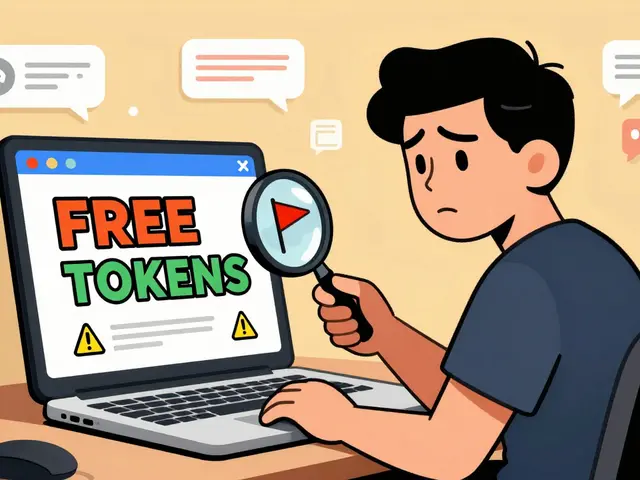
You’ve probably seen the pop-ups or heard the whispers in Discord servers about the TOWER airdrop. The promise is always the same: connect your wallet, do a few simple tasks, and walk away with free tokens that might be worth thousands. It sounds too good to pass up, right? But here’s the hard truth you need to hear before you click anything: as of mid-2026, there is no verified, legitimate project known simply as "TOWER" running a major public airdrop.
When a search for "TOWER airdrop details" yields zero credible results from reputable crypto news outlets or official project announcements, that isn’t a coincidence. It’s a red flag waving at you. In the world of cryptocurrency, silence from the mainstream usually means one of two things: either the project is so new it hasn’t gained traction, or, more likely, it’s a scam designed to drain your wallet or steal your private keys.
The Reality Check: Why "TOWER" Isn't on the Radar
Let’s look at how legitimate airdrops work. When projects like LayerZero (ZRO) or Arbitrum (ARB) launch their distributions, they don’t hide. They announce it on Twitter (X), post detailed threads on Medium, update their documentation, and get covered by major financial news sites. These are multi-million dollar ecosystems with clear roadmaps.
If you type "TOWER crypto" into Google today, you won’t find a whitepaper from a recognized development team. You won’t find audits from firms like CertiK or OpenZeppelin. Instead, you’ll likely find low-effort spam pages or fake landing sites. This absence of digital footprint is the first and most important signal. If a project doesn’t exist in the public eye, why would they give away value?
Consider this: if TOWER were a real protocol building infrastructure for DeFi or AI, where is their GitHub repository? Where are their developer updates? Real projects build in public. Scam projects build in shadows, hoping you’re too excited to notice the missing foundations.
Anatomy of a Fake Airdrop Scam
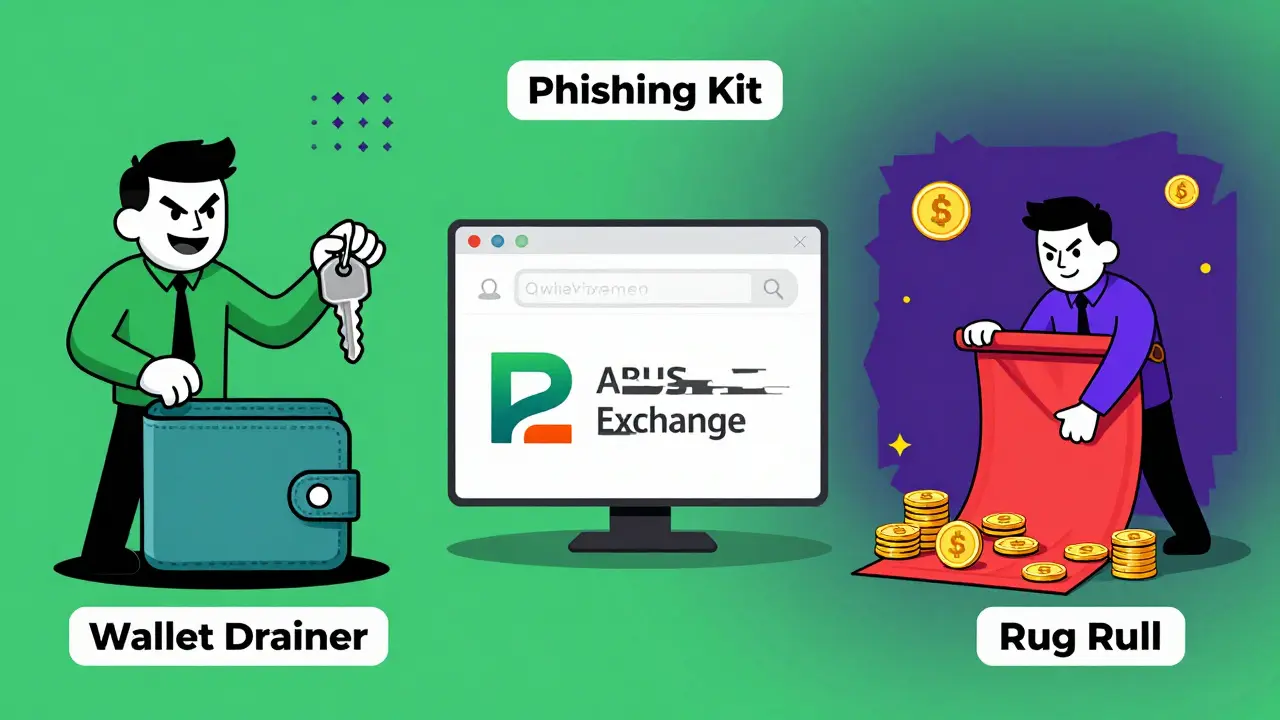
So, if the TOWER airdrop isn’t real, what are you actually looking at when you see these ads? You’re likely encountering one of three common scam models prevalent in 2026:
- The Wallet Drainer: You visit a site claiming to be the "Official TOWER Claim Portal." It asks you to connect your MetaMask or Phantom wallet. Once connected, you approve a transaction that looks like a "gas fee" or "verification step." In reality, you just signed a malicious smart contract that grants the attacker permission to move all your assets out of your wallet instantly.
- The Phishing Kit: The site mimics the design of a popular exchange like Coinbase or Binance but uses a slightly different URL (e.g., tower-airdrop-claim.com). It asks for your email and password, or worse, your seed phrase. Once they have your credentials, your accounts are compromised.
- The Rug Pull Token: You successfully claim the "TOWER" token. It appears in your wallet with a high paper value. However, the liquidity pool was never locked. The moment you try to sell, the developers pull the liquidity, and your tokens become worthless zeros. This happened frequently with meme coins in early 2025.
These scams rely on FOMO (Fear Of Missing Out). They know you’re worried about being left behind while others get rich. That emotional pressure is exactly what makes you skip the due diligence steps.
How to Verify Any Airdrop Before Participating
You don’t have to stop participating in airdrops because one is fake. There are still legitimate opportunities, but you need a rigorous verification process. Here is a checklist I use for every single drop, whether it’s rumored or confirmed:
- Check Official Socials: Does the project have an official Twitter account with blue checkmarks (or verified badges)? Do they link to this specific airdrop page from their bio? If the only mention of the airdrop comes from random influencers or paid ads, walk away.
- Verify the Domain Age: Use tools like Whois to check when the website domain was registered. If the "TOWER" site was created last week, but claims to be a years-in-the-making project, it’s a lie. Legitimate protocols often use domains registered long before the token launch.
- Look for Audits: Serious projects hire third-party security firms to audit their code. Search for "[Project Name] audit report." If you can’t find a PDF from a known auditor, assume the code is unsafe.
- Community Vetting: Join the project’s official Discord or Telegram. Ask questions. Are the moderators helpful and transparent, or do they delete negative comments? Real communities debate; scam communities echo chamber.
Legitimate Alternatives: Where the Real Opportunities Are
Instead of chasing ghosts like the TOWER airdrop, focus your energy on projects with proven track records and upcoming distribution events that are actually documented. In the current market cycle, several categories offer safer, albeit more competitive, airdrop opportunities:
| Feature | Legitimate Project | Suspicious/Fake Project |
|---|---|---|
| Announcement Source | Official Twitter, Blog, Docs | DMs, Pop-up Ads, Random Influencers |
| Wallet Connection | Read-only or minimal interaction | Requires "Approval" or "Sign Transaction" immediately |
| Tokenomics | Clear allocation chart, vesting schedules | Vague promises, "100% to community" lies |
| Team Identity | Doxxed founders with LinkedIn profiles | Anonymous avatars, no history |
| Smart Contract | Audited, open-source on GitHub | Obfuscated code, no audit available |
For example, projects in the Layer 2 scaling space, such as those building on Ethereum or Solana, often reward early testers. Similarly, decentralized identity platforms and AI-data networks are active sectors in 2026. These projects require actual usage-bridging funds, providing liquidity, or validating data-not just clicking a button. The effort required is a filter against bots and scammers.
Protecting Your Digital Assets
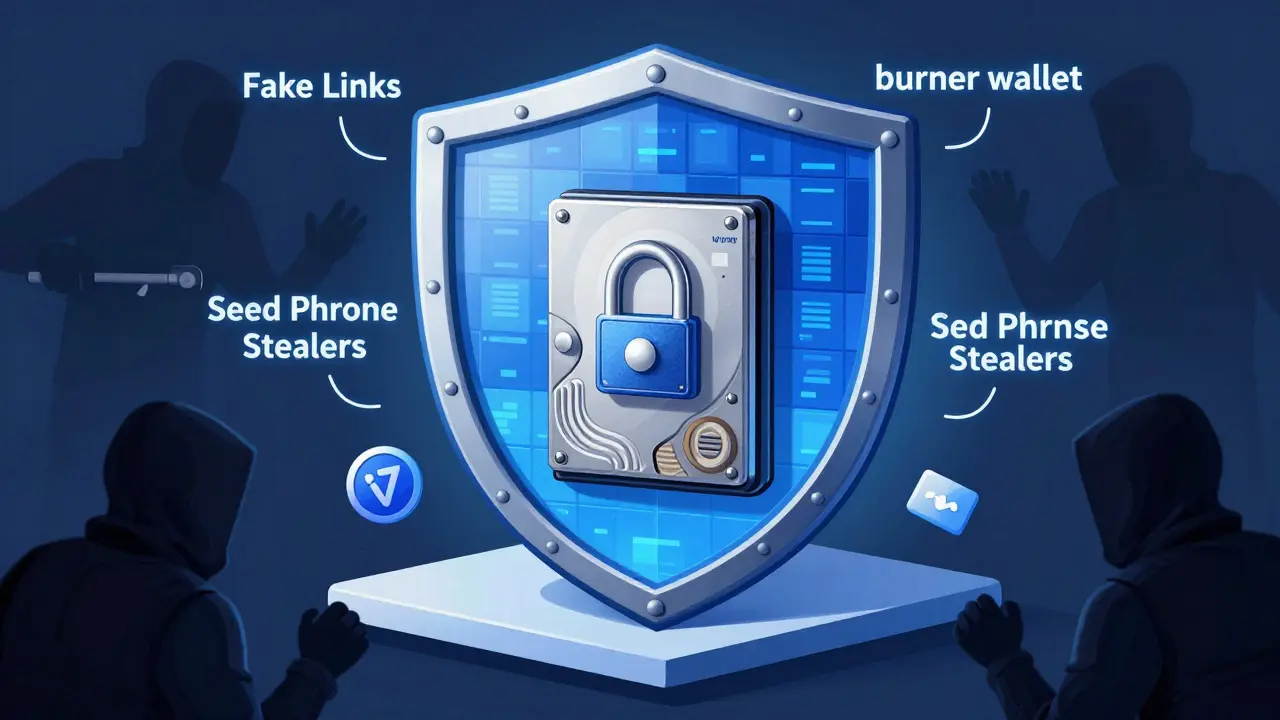
Even if you decide to test the waters with unverified projects, you must isolate your risk. Never use your main wallet-the one holding your life savings or significant NFT collection-for airdrop farming.
Create a separate "burner" wallet. Fund it with only the amount you are willing to lose completely, perhaps $10-$20 in ETH or SOL for gas fees. Keep your main wallet cold storage disconnected from the internet. If a scammer drains your burner wallet, it’s an annoying loss, not a financial disaster. If they touch your main wallet, it’s catastrophic.
Additionally, revoke permissions regularly. Use tools like Revoke.cash to scan your wallet for any approved contracts that you no longer recognize. If you clicked a suspicious link last month, you might still have an active approval allowing a hacker to access your funds today. Revoking these permissions cuts off their access.
Why Due Diligence Matters More Than Ever
The crypto landscape in 2026 is maturing, but sophistication of scams has evolved alongside it. Phishing sites now look pixel-perfect copies of real exchanges. AI-generated videos of CEOs announcing fake drops are becoming common. The barrier to entry for creating a convincing scam is lower than ever.
This makes your skepticism your most valuable asset. If something feels off, it probably is. If the "TOWER airdrop" requires you to keep secrets or act quickly without reading terms, it’s a trap. Legitimate businesses want transparency because it builds trust. Scammers want secrecy because it hides their crimes.
Remember, the goal of a real airdrop is to distribute governance power and create a loyal user base. The goal of a fake airdrop is to extract value from you. Align your actions with the former, and you’ll navigate this space safely.
Is the TOWER airdrop legitimate?
There is no evidence of a legitimate project called "TOWER" running a verified airdrop. Most references to this term online appear to be associated with phishing scams or fraudulent schemes. Always verify through official channels before connecting your wallet.
How can I tell if an airdrop is a scam?
Red flags include unsolicited DMs, websites asking for your seed phrase, domains registered recently, lack of official social media presence, and requests to sign unknown transactions. Legitimate airdrops are announced publicly by verified project accounts.
What should I do if I already connected my wallet to a suspicious site?
Immediately move all funds from that wallet to a new, secure wallet. Then, use a tool like Revoke.cash to remove any approvals granted to the suspicious contract. Monitor the old wallet for any unusual activity, but consider it compromised.
Are there any safe airdrops available in 2026?
Yes, many established projects in Layer 2, DeFi, and AI sectors run legitimate airdrops. Look for projects with audited code, doxxed teams, and strong community engagement. Always research the project's background before participating.
Should I use my main wallet for airdrops?
No, never use your main wallet for interacting with unverified contracts. Use a separate "burner" wallet with minimal funds to minimize risk. This ensures that if a scam occurs, your primary assets remain safe.

Write a comment